🚨Will Police Respond to Your DIY Alarm System?

TLDR
- Most DIY alarm systems can trigger police response, but only under specific conditions set by local policies.
- Police increasingly prioritize verified alarms over unverified alerts due to false alarm volume.
- Monitoring services, camera verification, and panic alarms all affect response priority.
- Some cities may delay or refuse dispatch for non-verified alarms altogether.
- Your setup design directly influences whether police will treat your alarm as urgent or low priority.
A lot of people set up a DIY security system expecting a simple chain reaction: alarm goes off, police show up. In reality, it’s a bit more layered than that, and honestly, the details matter more than most people realize.
Whether or not police respond to your DIY alarm system depends less on the device itself and more on how the alert is verified and reported. That’s where things start to shift. Let’s break it down in a way that actually matches how modern systems work in real life.
🚓 How Police Response Actually Works Today
Police response to alarms isn’t automatic in most places anymore. Many departments use what’s often called a prioritization or verification approach, especially because of the huge number of false alarms they deal with. In practice, that means your alarm signal usually goes through one of three paths:
- Monitoring Center Verification: A professional monitoring service confirms the signal and calls police.
- Technical Confirmation: Video, audio, or human confirmation supports the alarm through verified response protocols.
- Unverified Status: It is treated as an unverified alert and given lower priority, or sometimes no response at all.
This shift exists for a simple reason: false alarms are extremely common, and they consume significant emergency resources.
In fact, alarm industry research and law enforcement data have long shown that the vast majority of alarm activations are false, which is why many departments now require some form of confirmation before dispatching units. From a homeowner perspective, this means your DIY alarm police response is only as strong as its verification method.
🔎 Quick Reality Check Table
| Alarm Type | Police Response Likelihood | Why |
| Verified video/audio alarm | High | Confirms real threat |
| Monitored alarm (no verification) | Medium | Depends on policy |
| Self-monitored app alert | Low to medium | Often unverified |
| Panic button / duress alarm | Very high | Treated as urgent |
📡 DIY Alarm Systems: Where They Fit In
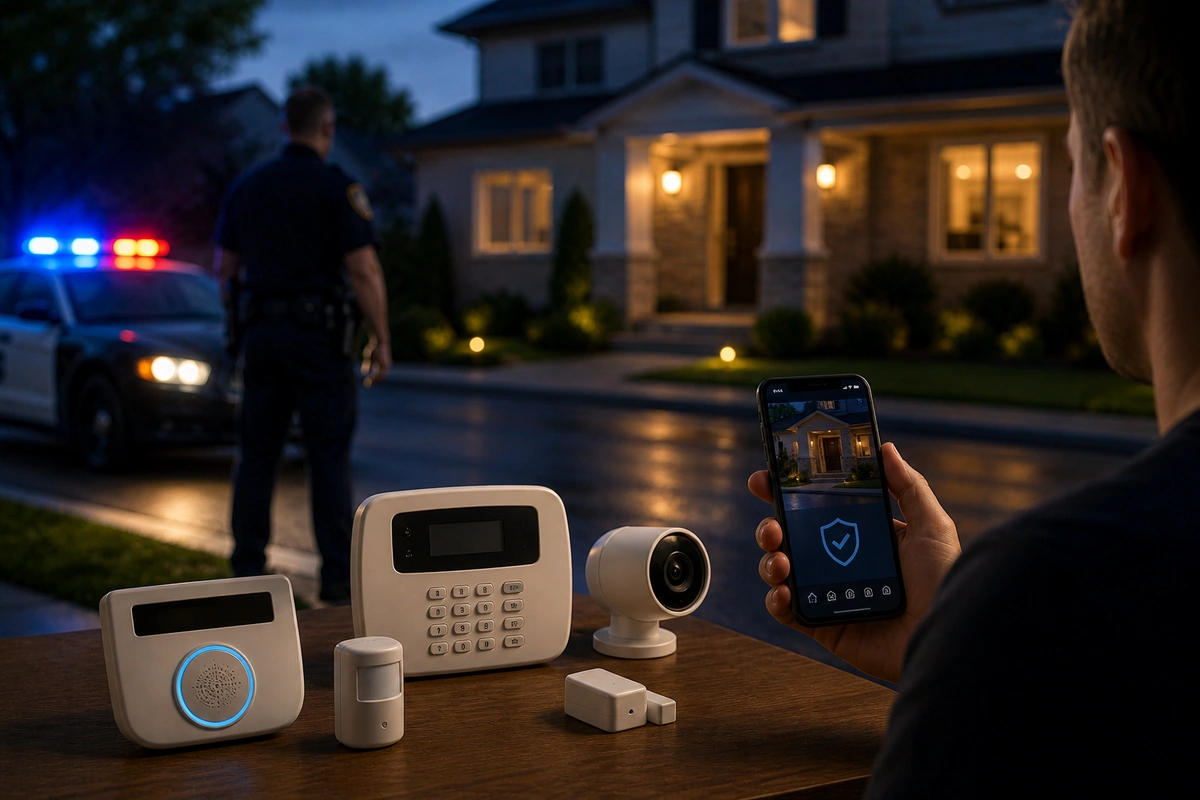
Most DIY alarm setups fall into one of two categories: self-monitored systems where you get alerts on your phone, or professionally monitored systems where a company receives alerts. Here’s where it gets interesting: police usually don’t respond directly to your app notification. They respond to a call from a monitoring center or a verified emergency report.
So if you’re using a DIY system without monitoring, you are often the one responsible for calling emergency services. And even then, dispatchers may treat it as a lower-priority call unless you can confirm details like forced entry, live video evidence, or audible intrusion.
This is why some homeowners eventually upgrade their setup, not because the devices are weak, but because understanding how alarm verification works matters more than simple detection.
🎥 Why Verification Changes Everything
Verification is the key factor that determines whether police respond quickly or cautiously. Many people ask, will police come for alarm signals without proof?. Increasingly, some cities are requiring alarm verification for response before a patrol car is even dispatched. Modern alarm systems increasingly rely on:
- Visual Proof: Video clips from strategically placed cameras.
- Auditory Evidence: Audio detection such as glass breaking, motion, or voices.
- Professional Confirmation: Human confirmation through monitoring centers.
When any of these confirm a real intrusion, the alarm is considered verified, and response priority increases significantly. Without verification, many departments treat alarms as uncertain events. Uncertainty usually means a slower police response alarm system priority or no immediate dispatch. From a security planning standpoint, this is where DIY users often miss the gap. Detection is easy; proof is what drives response.
⚖️ Why Some Police Departments Limit Alarm Responses
It’s not that police ignore alarms. It’s that they have to manage workload and prioritize real emergencies. Repeated false alarms from residential systems have led many jurisdictions to adopt strict false alarm police response rules. These policies include:
- Confirmation Requirements: Requiring keyholder confirmation before dispatch.
- Priority Shifting: Lowering priority for unverified alarms.
- Financial Penalties: Charging fines for repeated false activations.
- Evidence Mandates: Limiting responses unless additional evidence is provided.
These rules are designed to keep emergency resources focused where they’re truly needed. So when people ask do police respond to home alarms and find the answer is “sometimes,” the reason is usually not technical—it’s procedural. This makes testing your home security system regularly essential to avoid being blacklisted by local dispatch.
🧠 What This Means for Your DIY Setup
If you’re building or improving your system, the biggest takeaway is this: your alarm should not just detect events; it should help prove them. That’s where DIY systems often get upgraded with specific layers to ensure a better monitored vs unmonitored police response.
- Visual Layers: Cameras placed at vulnerable entry points.
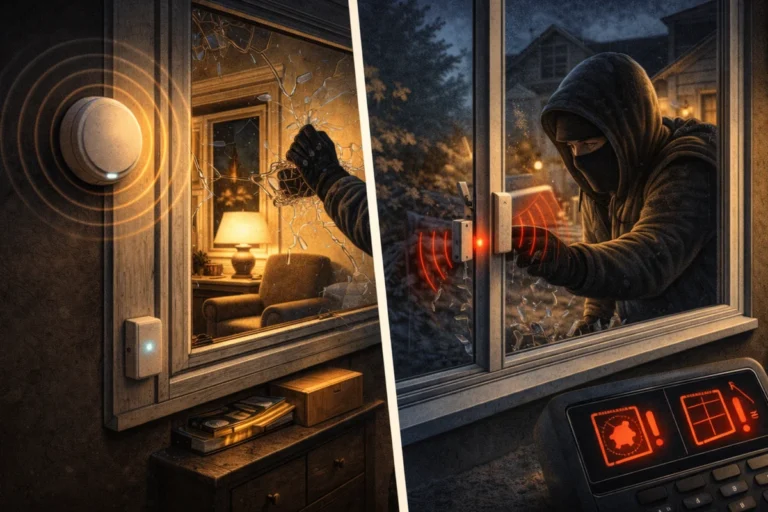
- Sensory Links: Smart door or window sensors linked to instant notifications.
- Perimeter Defense: Outdoor motion detection and lighting setups.
- Professional Backup: Optional monitoring services to handle the escalation process.
Personally, I’ve noticed that systems with simple camera verification feel noticeably more actionable than setups that just send motion alerts. It’s not about having more devices; it’s about giving context fast to avoid common DIY security failures.
🧭 When Police Are Most Likely to Respond
To make it practical, here’s how police response alarm system priority usually breaks down:
- Highest Priority: Panic button activation, verified break-in, or a live intruder report.
- Medium Priority: A monitored alarm with partial verification.
- Lower Priority: Unverified app alerts or basic motion triggers.
- Delayed/No Response: Repeated false alarms or low-confidence signals from vulnerable homes.
This spectrum isn’t universal everywhere, but it reflects how many modern systems are structured. If you’re relying on a minimalist setup, it helps to understand where your system sits on that spectrum.
🧱 Building a Smarter DIY Alarm Strategy
A solid setup doesn’t need to be complicated. It just needs layers that support each other to create a functional DIY framework. A practical structure usually looks like this:
- Detection: Entry sensors and glass break detectors.
- Confirmation: Cameras for visual confirmation of real entry patterns.
- Escalation: Monitoring services to ensure someone is always ready to respond.
- Procedure: Clear emergency call procedures for you or household members to use when assessing threats.
The goal is simple: reduce uncertainty so that when something happens, you’re not guessing—and neither are emergency responders.
🧾 Final Thoughts
So, will police respond to your DIY alarm system? Yes, but not automatically, and not always quickly. Response depends heavily on verification, local policy, and how much confidence your system provides that something real is happening.
If there’s one thing worth taking from all of this, it’s that modern security isn’t just about triggering alerts. It’s about making those alerts credible enough to act on.
Once you understand the rules behind false alarm police response rules, you can design a system that actually works with emergency response rather than against it. Whether you are securing an apartment or a large house, verification is the difference between help arriving and help staying at the station.