🕵️♂️How Home Burglaries Actually Happen: Real Entry Patterns

TLDR
- Most home burglaries rely on simple entry points like doors and first-floor windows.
- Unlawful entry often happens through unlocked access rather than complex lock picking.
- Rear doors, side entrances, and garages are frequent targets due to lower visibility.
- Daytime burglaries are common because homes are often unoccupied.
- Layered physical reinforcement and visibility significantly reduce real-world entry success.
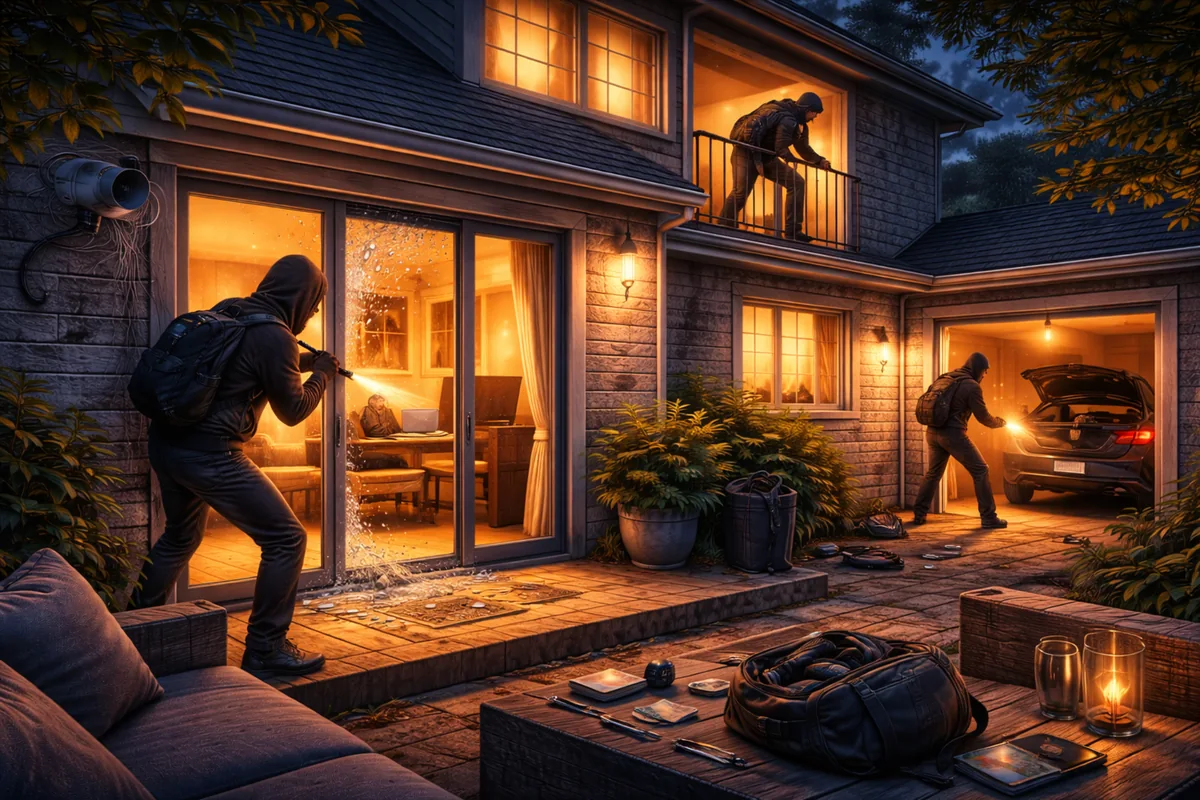
When people picture a burglary, they imagine precision tools, masked intruders, and dramatic forced entry. That image sticks because it is cinematic. Reality is far less theatrical.
Most residential burglaries follow predictable, low-effort patterns. They rely on opportunity, visibility gaps, and simple access points. Once you understand how burglars break in, security decisions become clearer and far less intimidating.
According to national burglary statistics, the vast majority of incidents are opportunistic rather than professional heists.
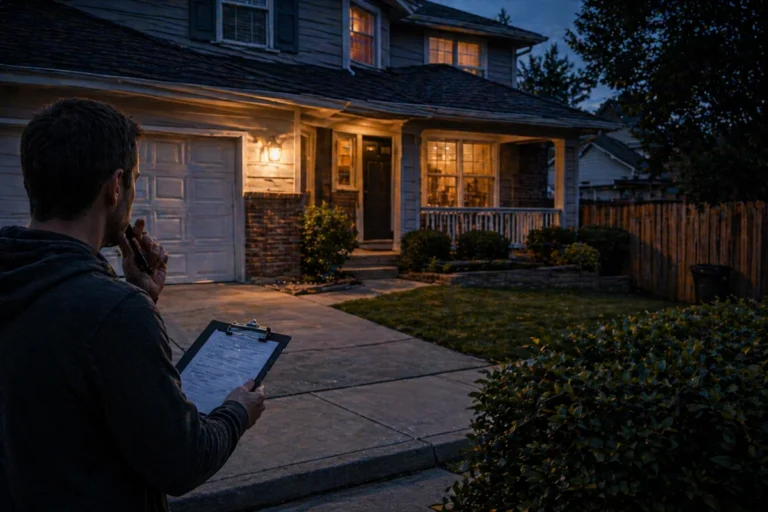
The goal here is not fear. It is clarity. When you know what really happens, you can build protection that makes sense by assessing your home like a burglar would.
🚪 The Front Door: Still the Primary Access Point
It might surprise you how often the front door is involved. National crime victimization data consistently shows that doors remain the most common break in points in residential burglaries. That does not always mean dramatic force. In many cases, doors are unlocked. Sometimes the handle lock is engaged but not the deadbolt.
| Entry Method | Frequency | Vulnerability |
| Unlocked Front Door | High | Human error/forgetfulness. |
| Kick-in Force | Moderate | Short screws in strike plates. |
| Prying/Leverage | Low | Gaps in the door frame. |
| Key Theft/Hidden Keys | Moderate | Fake rocks and “hidden” spots. |
A reinforced strike plate and properly installed deadbolt significantly increase resistance. Without reinforcement, short screws in door frames can split under pressure long before the lock fails. In practical terms, the door frame is often the weak link, which is why most homes are vulnerable despite having locks.
🔓 Unlocked Entry Is More Common Than People Think
A large portion of unlawful entries occur without forced damage. This is one of the most common burglary methods because it is silent and fast. Unlocked doors and windows remain one of the simplest access paths. It is not sophisticated. It is opportunistic. Someone tries a handle; if it opens, they enter.
People frequently leave doors unlocked during short errands, when working in the yard, or while home but distracted. Hardware cannot compensate for being unused. This is a primary reason to look into what DIY home security actually protects against.
Expert Tip! Establish a “Locking Ritual.” Before leaving the house or going to bed, physically touch each handle. Visual checks are often deceptive; physical checks ensure the latch is engaged.
🪟 First-Floor Windows and Rear Access
After doors, windows are commonly used entry points, particularly those on the ground level or concealed from street view. Rear windows are especially vulnerable because they are less visible to neighbors or passing traffic.
Older window latches may prevent rattling but not forced lifting. Testing each window after locking it is often revealing. Adding window pins or track blockers does not make entry impossible. It simply increases effort and time, which reduces the appeal of how burglars enter homes. You can find effective DIY window security upgrades that are both affordable and easy to install.
🚗 The Garage as a Secondary Entry
Garages are frequently targeted because they offer concealment and indirect access to the main house. If a garage door is left open or unlocked, entry becomes immediate. Even when closed, attached garages often have interior doors that are not secured with deadbolts. This is one of the home security threats most people ignore.
- Interior Access: Burglars use the garage as a “staging area” to work on the interior door privately.
- Vehicle Remotes: Remotes left in cars parked on the driveway are an open invitation.
- Release Cords: Older openers can be bypassed via the emergency release cord.
Treating the garage as a true exterior entry point changes how it is secured. Locking the interior door and removing visible remotes eliminates easy access.
☀️ Daytime Burglaries Are Common
Many residential burglaries occur during the day. This often surprises people who associate crime with nighttime. Daytime hours frequently mean empty homes due to work and school schedules. Fewer people are inside, and neighbors may assume activity is routine.
| Daytime Signal | Why it Matters | Mitigation |
| Empty Driveway | Confirms vacancy. | Ask a neighbor to park there. |
| Accumulated Mail | Suggests long-term absence. | Stop mail or use a neighbor. |
| Quiet House | No signs of life inside. | Use smart lighting to simulate occupancy. |
The goal is not constant activity, but unpredictability. If how thieves choose houses depends on identifying a predictable pattern of vacancy, disrupting that pattern is your best defense.
🔨 Forced Entry Is Usually Fast and Targeted
When force is used, it is typically quick. Kicking near the strike plate, prying near the latch, or breaking accessible glass near a locking mechanism are the home burglary methods most used. Extended attempts increase noise and visibility, which most offenders avoid. Speed is preferred.
Increasing resistance time even slightly shifts the risk calculation. A door that does not give immediately often ends the attempt. Security is not about making entry impossible; it is about increasing effort beyond what is worth it. For those starting out, DIY home security where to start should always focus on the physical perimeter first.
🌳 Visibility and Concealment Shape Behavior
Burglars prefer locations where they will not be easily observed. Dense landscaping, high fencing without sightlines, and poor lighting create concealed working space. Entry attempts at the front of a house are less common when the area is well-lit and visible to neighbors.
Rear entries feel safer for someone trying to avoid attention. Motion lighting works because it removes anonymity, and clear sightlines increase interruption risk. This is why outdoor motion lighting placement is so critical to your overall strategy.
⏱️ Short Target Selection Windows
Contrary to popular belief, many burglaries are not long-term surveillance operations. Real burglary patterns show that target selection often occurs quickly. Visible indicators such as no vehicles present, accumulated mail, or packages left unattended can trigger opportunistic decisions in minutes.
Small habits disrupt that opportunity. This is a core part of minimalist home security setups—focusing on removing the signals that scream “empty house.”
🛠️ Minimal Tools, Simple Methods
Most residential entries do not require specialized equipment. Basic force, simple prying tools, or entry through unlocked access are common. Advanced lock picking is far less typical than media suggests. Understanding this removes unnecessary anxiety about rare scenarios and refocuses attention on practical prevention.
Common “Tools” Used:
- Crowbars/Screwdrivers: For prying window frames or door latches.
- Brute Force: Shoulders or feet to kick in doors.
- Rocks/Bricks: To break glass near door handles.
Focusing on these real burglary patterns helps you decide how much to spend on home security by prioritizing physical barriers over fancy high-tech gadgets.
🛌 Interior Targeting Patterns
Once inside, burglars typically move quickly and focus on easily accessible valuables. Bedrooms are commonly searched due to jewelry storage. Small electronics are portable and easy to resell. Large, heavy items are rarely targeted because speed matters.
Prevention at the perimeter is far more effective than hoping valuables remain undiscovered. This reinforces the need for layered home security.
💻 Digital Exposure Increasingly Matters
While physical entry remains dominant, digital behaviors influence physical vulnerability. Posting travel plans publicly or sharing real-time updates of your vacation can indirectly support opportunity.
Smart devices also depend on secure networks. Default passwords and outdated firmware create access risks that extend beyond convenience. Following cybersecurity hygiene for high-risk communities can help secure your digital perimeter.
🧱 Layering Defense Reflects Real Patterns
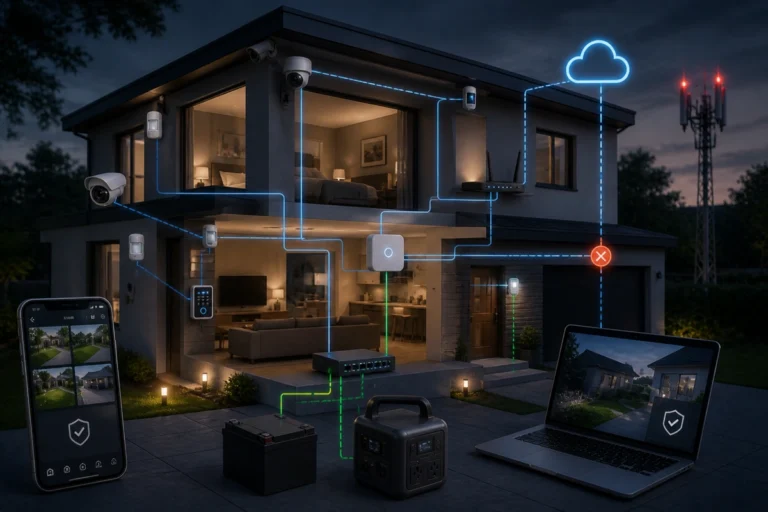
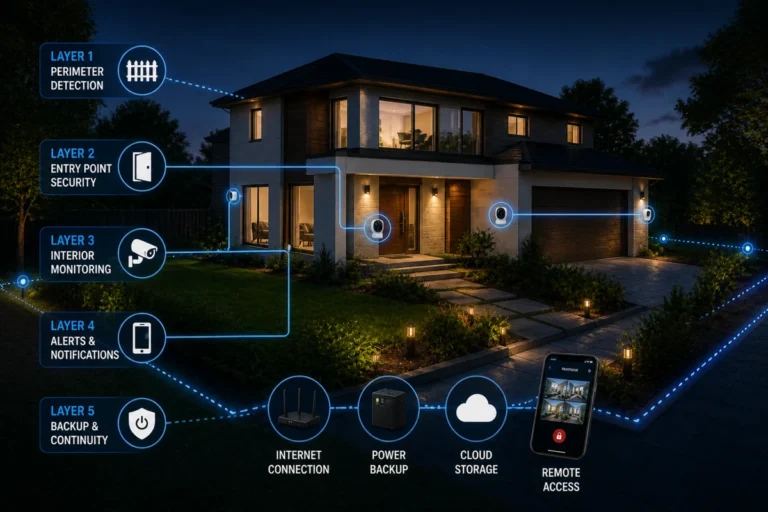
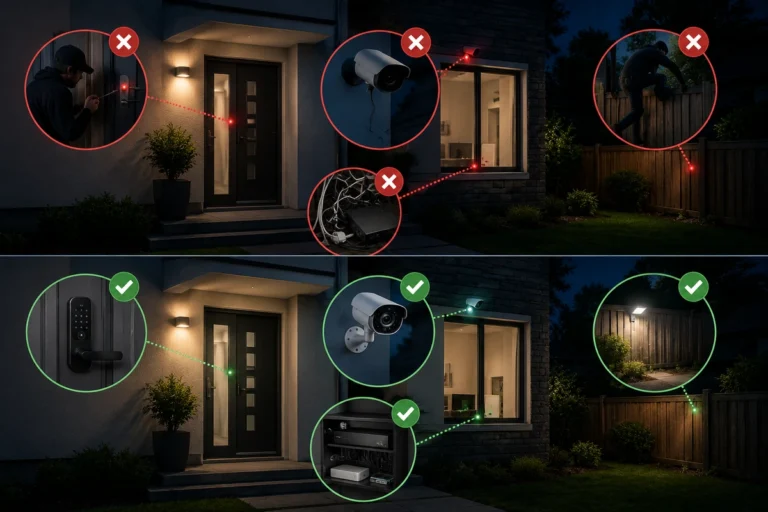
Once you look at real burglary patterns, layered security becomes logical rather than theoretical.
- Reinforced doors slow forced entry.
- Window stops prevent quick lifting.
- Lighting increases visibility.
- Cameras introduce accountability.
Each layer addresses a real-world pattern rather than a hypothetical threat. Security works best when it aligns with actual behavior patterns, not exaggerated scenarios. You can always upgrade a DIY system over time as you learn more about your home’s specific vulnerabilities.
🏁 Conclusion
Home burglaries usually rely on convenience. Unlocked doors, weak frames, accessible windows, concealed entry points, and visible absence create low-effort opportunities. Complex lock picking and elaborate schemes are rare compared to straightforward access attempts.
The positive takeaway is this: the most common entry methods are preventable. Consistent locking, reinforcement, visibility improvements, and thoughtful habits reduce real-world vulnerability significantly.
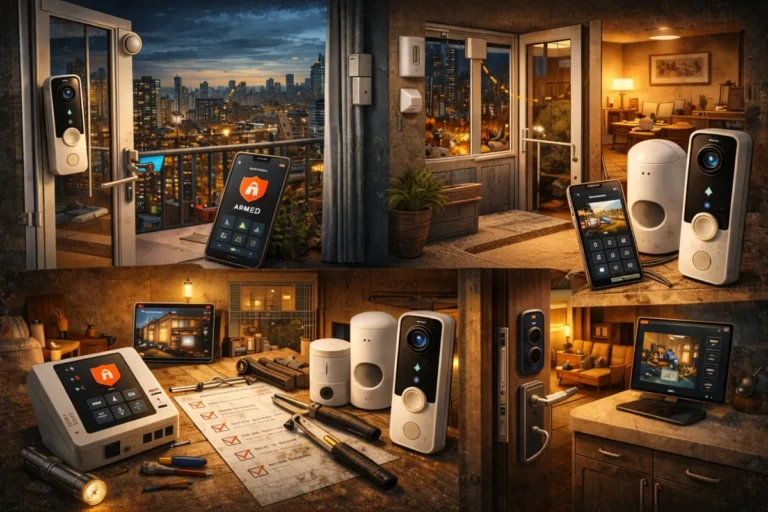
When you focus on how burglaries actually happen, DIY home security systems explained in practical terms make more sense. Removing opportunity is the best strategy you can build today.