DIY Home Security Systems Explained: A Practical Guide to Protecting Your Home 🛡️

TLDR
- DIY home security systems allow users to handle installation and monitoring without long term service contracts. 🏠
- These systems consist of a central hub connected to various wireless sensors, cameras, and mobile applications. 📱
- High reliability depends more on strategic device placement and network security than on expensive hardware specs. 🛠️
- Users can save significantly on upfront costs by avoiding professional installation fees and mandatory monthly plans. 💰
- A layered approach combining physical barriers with digital alerts provides the most effective residential protection. 🛡️
Walk into any electronics store or browse online for ten minutes and you will see it immediately: home security is no longer a niche category. Doorbells record video, cameras talk to your phone, and sensors stick to doors in seconds.
The confusing part is not whether you should secure your home. It is understanding what all these devices actually do and how they work together to protect your property.
A what is a DIY home security system query usually reveals that these are setups you install and manage yourself rather than hiring a company to handle the labor. The goal is the same as traditional security, but the control stays in your hands.
Let’s break down what that really means and how these systems function in real life to provide peace of mind.
📱 What “DIY” Actually Means Today
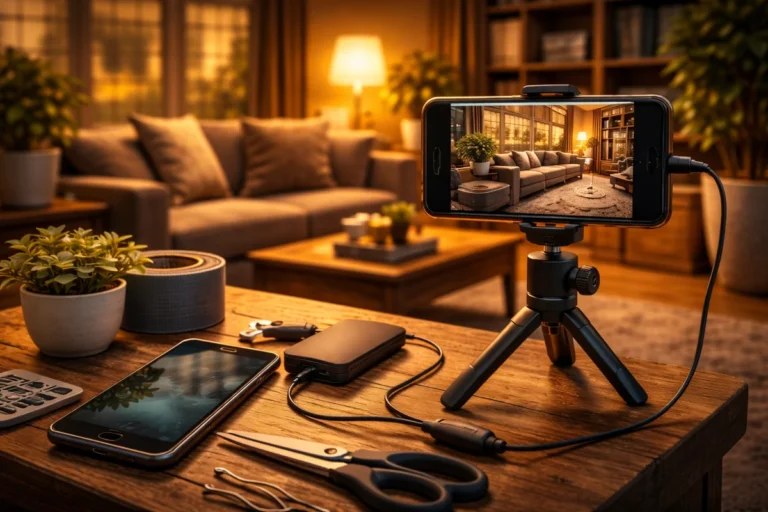
DIY does not mean complicated wiring or technical expertise anymore. Most modern systems are designed so a first time user can set them up in an afternoon with nothing more than a screwdriver.
Instead of technicians installing equipment and locking you into a service agreement, you purchase devices individually and connect them through an app. This self install security system sends alerts directly to you, not to a call center.
You decide what to install, where to place it, and how it behaves. This flexibility is one of the primary benefits of DIY security systems for modern homeowners.
💡 Expert Tip: Before buying, check if the system uses a proprietary hub or if it is compatible with third-party platforms like Zigbee or Z-Wave for future expansion.
🏗️ The Core Pieces of a DIY System
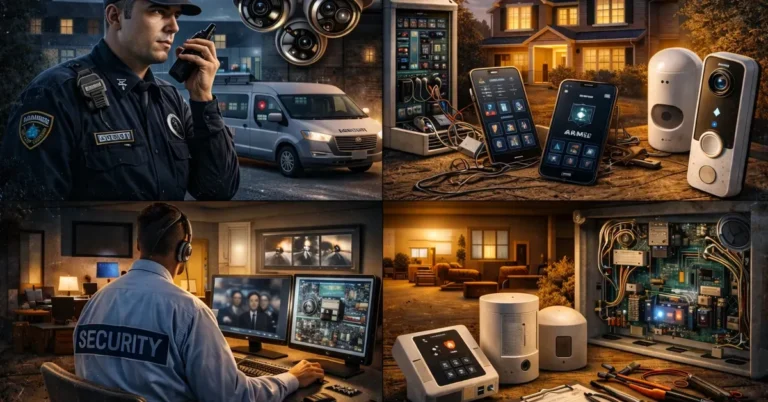
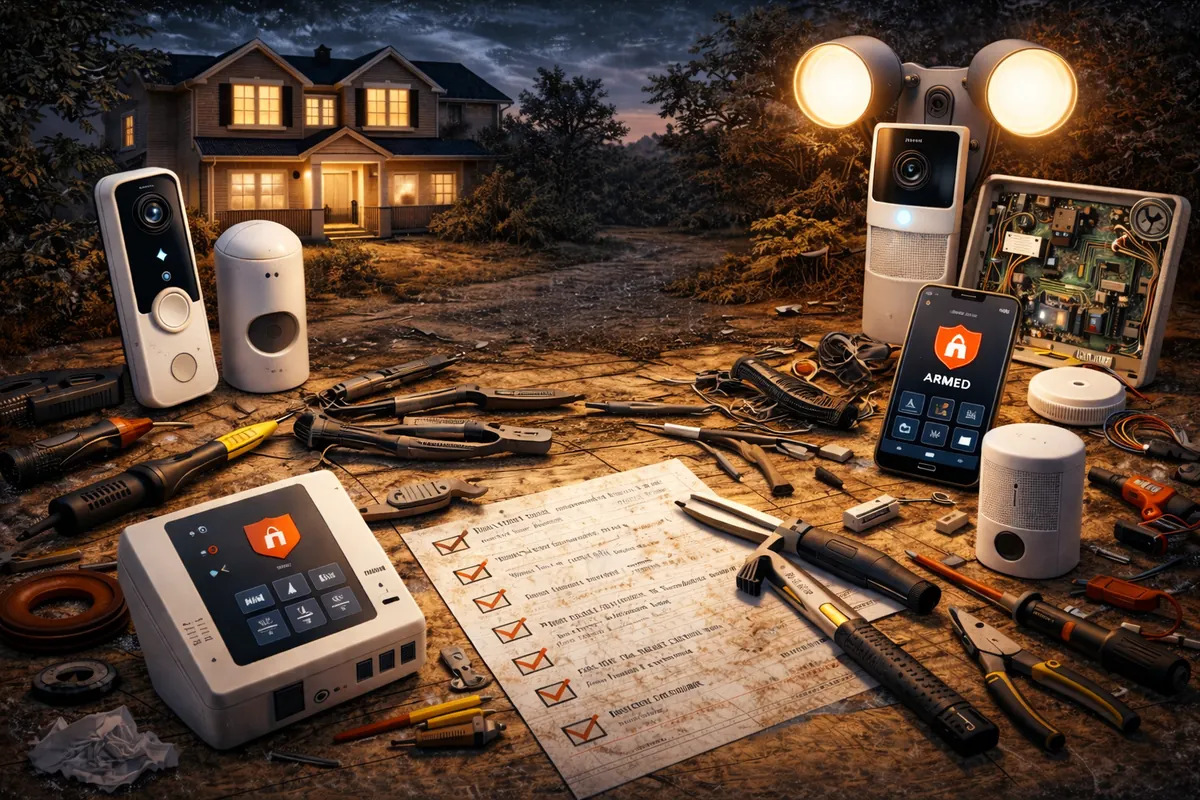
A good DIY setup is not just one camera. It is a small ecosystem of DIY security gadgets explained through their specific roles in a layered defense strategy.
Entry Sensors Door and window sensors are usually the backbone. They detect when something opens unexpectedly while the system is armed using small magnetic components.
They matter because most residential intrusions happen through entry points, not smashed walls or dramatic movie scenarios. Understanding how home burglaries actually happen helps you prioritize these sensors.
Motion Sensors Motion detectors watch interior movement. Typically you place one in a hallway, living room, or area someone must pass through after entering.
Many modern sensors ignore pets under a certain weight. This reduces false alerts during normal daily activity while maintaining a high level of security.
| Device Type | Primary Function | Ideal Placement |
| Contact Sensor | Detects door/window opening | Main entrance and patio doors |
| Motion Sensor | Detects movement in a room | Central hallways or staircases |
| Glass Break | Listens for shattering glass | Near large windows or sliders |
🎥 Cameras and Video Doorbells
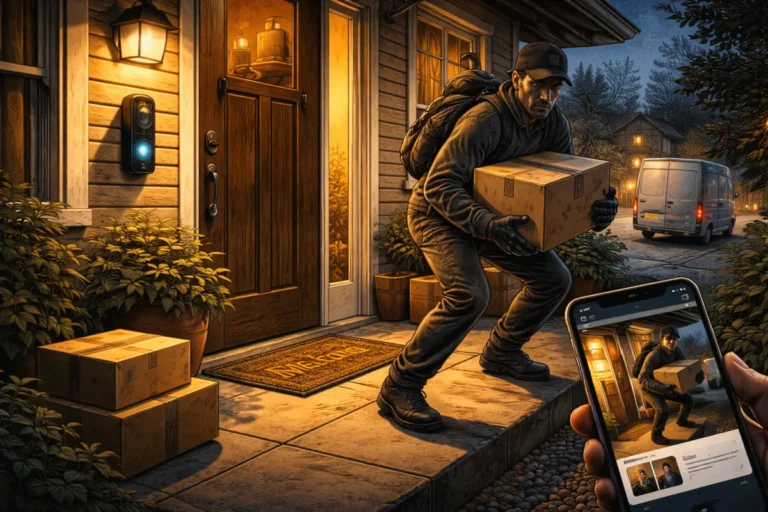
Cameras serve two roles: awareness and deterrence. A visible camera often discourages unwanted activity, and recorded footage helps you verify events if an incident occurs.
Outdoor cameras cover approaches and entrances. Indoor cameras are optional but useful for protecting valuables or confirming alerts when you are away from home.
A doorbell camera is often the first device people install. You see deliveries, visitors, and unexpected activity without opening the door or even being on the premises.
They also act as a front line deterrent. Since entry doors are common access points, having a lens there is one of the most essential home security devices only beginners should consider.
📖 Read Also: Home security cameras explained types features and use cases
🚨 Alarm or Siren Functionality
A local siren creates noise when a sensor triggers. Even without professional monitoring, sound draws attention and usually ends an intrusion attempt quickly.
Some hubs include a built in siren, while others use separate units. This DIY home alarm system overview wouldn’t be complete without mentioning the psychological impact of a loud alarm on an intruder.
📲 How DIY Security System Works: Alerts and Monitoring
The defining difference between DIY and traditional security is who responds to alerts. In a DIY setup, notifications go directly to your smartphone app.
You open the app, view a camera, and decide whether action is needed. Many systems allow you to call emergency services directly from the app interface for a faster response.
Some users later add optional monitoring subscriptions. This hybrid approach is increasingly common because it keeps flexibility without long term commitments or high monthly fees.
📖 Read Also: DIY home security vs professional monitoring
💾 Storage: Cloud vs Local Options
Every camera records footage somewhere. Understanding this part prevents surprises later when you actually need to review a specific event or clip.
Cloud storage saves clips online and lets you view them from anywhere. If a camera is stolen, the recordings still exist, though this usually requires a monthly fee.
Local storage saves footage to a memory card or local hub in your home. There is no subscription, but recordings can be lost if the device is damaged or taken by an intruder.
Many people use both for redundancy. This is a common strategy when designing a home security system on a budget to ensure no data is lost.
💡 Expert Tip: If choosing local storage, ensure the hub is hidden in a secure location, not sitting out in the open near the router where it can be easily spotted.
🎯 Why Placement Matters More Than Hardware
People often obsess over brand comparisons and megapixel counts. In practice, placement has a bigger impact than small feature differences between high end brands.
A poorly aimed camera misses faces. A motion sensor facing a window triggers constantly. A door sensor on the wrong door leaves the main entry completely uncovered.
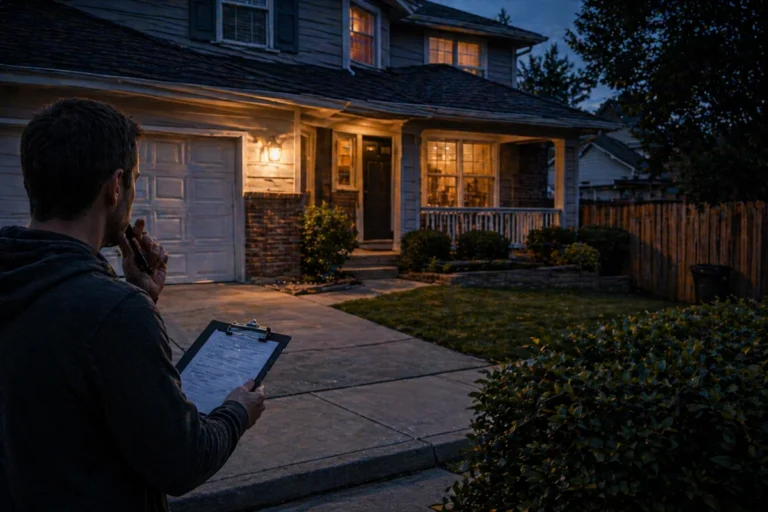
When setting up a self install security system, moving a camera by just two feet can improve detection dramatically. Proper placement ensures you are assessing your home like a burglar would to find the gaps.
| Placement Area | Goal | Common Error |
| Front Door | Identification of visitors | Mounting too high to see faces |
| Back Yard | Detection of approach | Leaving blind spots near corners |
| Main Hallway | Interior catch-all | Facing a heat source or window |
🌐 Network Security Is Part of Home Security
DIY home security systems rely heavily on your home internet. That means protecting your network is a fundamental part of protecting your actual house.
Change default passwords on all devices and routers immediately. Keep firmware updated and use strong WiFi encryption like WPA3 if your hardware supports it.
Security hardware is only as safe as the network it runs on. You should focus on optimizing Wi-Fi for home security devices to prevent lagging or connectivity drops during critical moments.
📖 Read Also: Common DIY home security failures and how to avoid them
🛠️ Maintenance: The Overlooked Step
A system is not “install and forget” if you want it to remain reliable. Batteries need replacement, apps need updates, and cameras can shift slightly over time due to weather or vibrations.
Seasonal lighting also changes detection performance. Checking devices monthly keeps reliability high and prevents the security mistakes homeowners make when they assume everything is fine.
Treat it like your smoke alarms. Quick routine checks prevent technical problems from becoming security vulnerabilities during a real emergency.
✅ Benefits of DIY Security Systems
The biggest advantage of these systems is the total control they offer the user. You choose the specific features, devices, and upgrades without being forced into expensive contracts.
Cost is also very predictable. You pay once for the hardware and optionally for features you want, rather than paying a mandatory monthly service plan for years.
Flexibility matters for those who move frequently. Renters can install removable sensors and take them to a new property, making them the best DIY security setups for apartments on the market today.
⚠️ Limitations to Understand
DIY home security systems require active involvement from the homeowner. You are the one who must respond to alerts and adjust settings when something goes wrong.
They also depend on your internet connection. During outages, some features stop working unless your devices include cellular backup or local offline alarms.
Knowing these limits helps set realistic expectations for your protection. You can mitigate some of these risks by how to build redundancy into a DIY security setup like adding a battery backup.
🏗️ Building a Layered System
Effective security rarely relies on a single device. A robust DIY home alarm system overview encourages thinking in several distinct layers to catch threats early.
- Exterior: Visibility through motion lighting and outdoor cameras.
- Perimeter: Entry detection through door and window sensors.
- Interior: Awareness through motion detection and glass break sensors.
- Response: Notification through phone alerts or local sirens.
Each layer covers a different scenario. Together they create reliability without the complexity of traditional professional installations.
🎯 Who DIY Security Fits Best
This approach works well for people comfortable using smartphone apps and willing to spend time learning settings. It is especially practical for apartments, small homes, and budget conscious families.
Those wanting hands off management may prefer professional monitoring. However, many households discover they prefer having direct awareness instead of filtered notifications from a third party.
🏁 A Realistic Expectation
No security system guarantees the absolute prevention of every incident. The real purpose of a self install security system is awareness, deterrence, and faster response times.
When you understand that, the technology becomes much less intimidating to use. You are not building an impenetrable fortress; you are reducing risk and eliminating uncertainty.
DIY home security systems are less about fancy gadgets and more about personal control. They put monitoring, customization, and expansion in your hands while keeping costs manageable for the long term.
Start simple, place your devices thoughtfully, and maintain them occasionally. Security works best when it fits your daily habits and stays reliable when you are away.