💵 Designing a Home Security System on a Budget

TLDR
- Start with physical security: reinforce doors, windows, and lighting before buying electronics.
- Use a DIY wireless alarm system with entry sensors and motion detectors as your affordable core layer.
- Add smart cameras strategically instead of covering every corner of your property.
- Skip long-term contracts and focus on self-monitoring or low-cost monthly plans.
- Maintain and test your system regularly to protect your investment and ensure reliability.
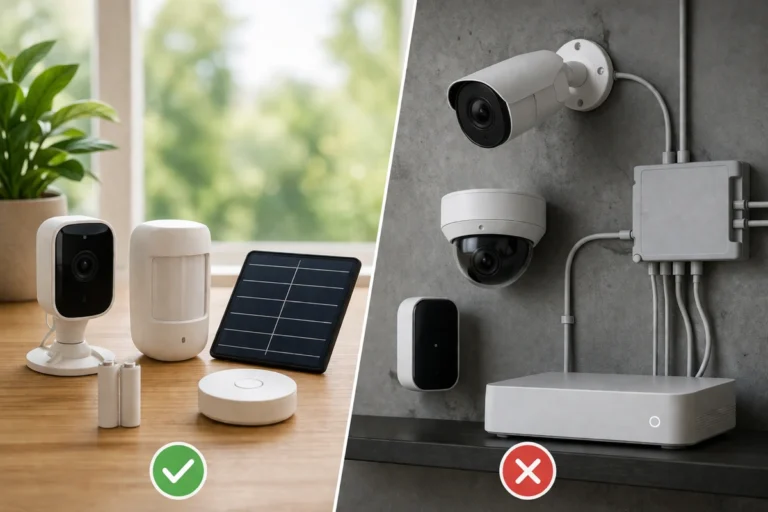
Designing a home security system on a budget is less about buying the cheapest gear available and more about spending your money intentionally. You do not need an expensive, professionally installed setup backed by an ironclad multi-year contract to keep your property safe.
In fact, many modern wireless systems offer incredibly high levels of protection without locking you into high monthly fees that drain your wallet.
The secret lies in understanding how to build a home security system on a budget by focusing strictly on features that minimize real-world risk. When you build your setup in deliberate, overlapping phases, even a modest financial investment can go a surprisingly long way.
Let’s break down how to manage your expenses while building a robust, budget home security framework that reliably protects your home.
🚪 Start With the Basics: Physical Security First
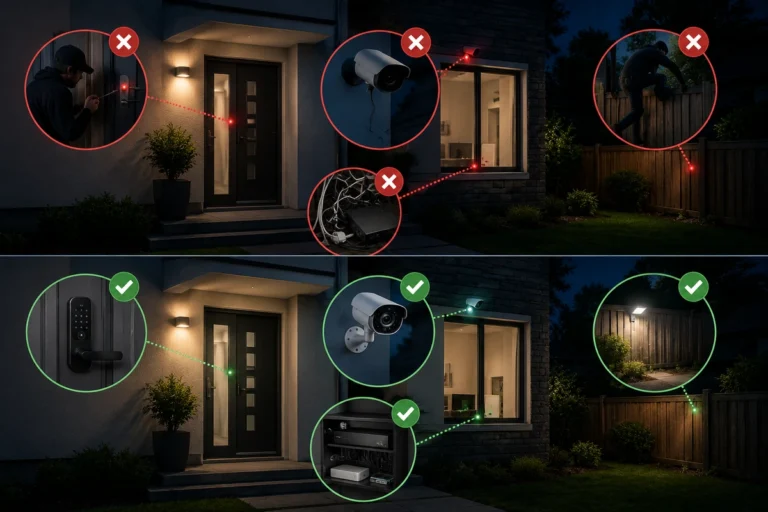
Before spending a single dollar on wireless sensors, smart hubs, or digital cameras, you must take a close look at your physical doors and windows.
The vast majority of residential burglaries still involve straightforward forced entry through a main floor door or a ground-accessible window frame. Reinforcing these common entry points is easily the most cost-effective upgrade you can make to your property.
When mapping out an affordable home security setup, hardware reinforcement should always be your baseline. Standard construction features flimsy strike plates held together by short, half-inch screws that split wood frames instantly under pressure.
Upgrading this hardware is a cheap home security system tactic that delivers immediate structural dividends without needing professional assistance.
[Standard Flimsy Strike Plate] + Short Half-Inch Screws ---> Splits Wood Easily Under Pressure[Heavy Duty Steel Strike Plate] + Three-Inch Wood Screws ---> Drives Deep Into Structural StudsFor sliding glass doors, placing a heavy-duty wooden dowel or a metal security bar directly into the bottom track prevents anyone from sliding the door open even if the main latch is bypassed.
For windows, simple aftermarket sash locks prevent frames from being lifted from the outside. None of this physical hardware is flashy or high-tech, but all of it works remarkably well to deter forced entry.
Low-Cost Physical Reinforcement Checklist
- Three-Inch Screws: Replace factory strike plate screws with longer versions to anchor directly into solid structural wall studs.
- Track Blocking Bars: Secure sliding glass patio frames with a solid metal bar or a tightly fitted wooden dowel.
- Window Sash Locks: Install heavy-duty manual secondary locks to prevent windows from being pried open from the exterior.
- Deadbolt Verification: Confirm all exterior entryways utilize strong deadbolts that fully extend into the reinforced frame channel.
Focusing on these manual structural upgrades first ensures your home isn’t an easy target. Taking these steps addresses what makes a home easy to break into at a fraction of the cost of complex digital hardware.
💡 Exterior Lighting Is a Budget Superpower
High-quality exterior lighting is one of the most effective and affordable deterrents available on the modern market. Shadows and blind spots serve as natural cloaking devices for criminals attempting to force open a door lock or latch a window pane. When you eliminate these dark pockets, you significantly alter the environment in your favor.
Investing in motion-activated LED floodlights is an exceptional option for anyone implementing budget home security ideas. These fixtures are inexpensive to purchase, highly energy-efficient, and remarkably simple to wire or mount.
Your ultimate goal shouldn’t be to flood your entire neighborhood with blinding illumination; instead, you want to focus steady light around your main doors, garage entrance paths, and ground-floor windows.
Read More
If you want to maximize your exterior illumination without running expensive new electrical conduits or spiking your monthly utility bill, look into sustainable power alternatives. Reading our comprehensive solar powered security the ultimate off-grid defense guide provides excellent methods for setting up low-maintenance, budget-friendly perimeter lighting arrays.
Upgrading your external lights is a major component of an effective outdoor motion lighting setup placement and mistakes to avoid routine. Ensuring your pathways, entry zones, and property borders light up instantly when motion is detected removes an intruder’s sense of anonymity, causing them to abandon their plans before making physical contact with your home.
🚨 Choose a DIY Wireless Alarm System
Once the physical hardware and exterior illumination are fully taken care of, your next defensive boundary is a functional electronic alarm layout. Modern DIY wireless systems rely on secure radio frequencies to connect your door and window sensors to a central base station, meaning you can easily complete a full installation without drilling deep holes or running wires through your drywall.
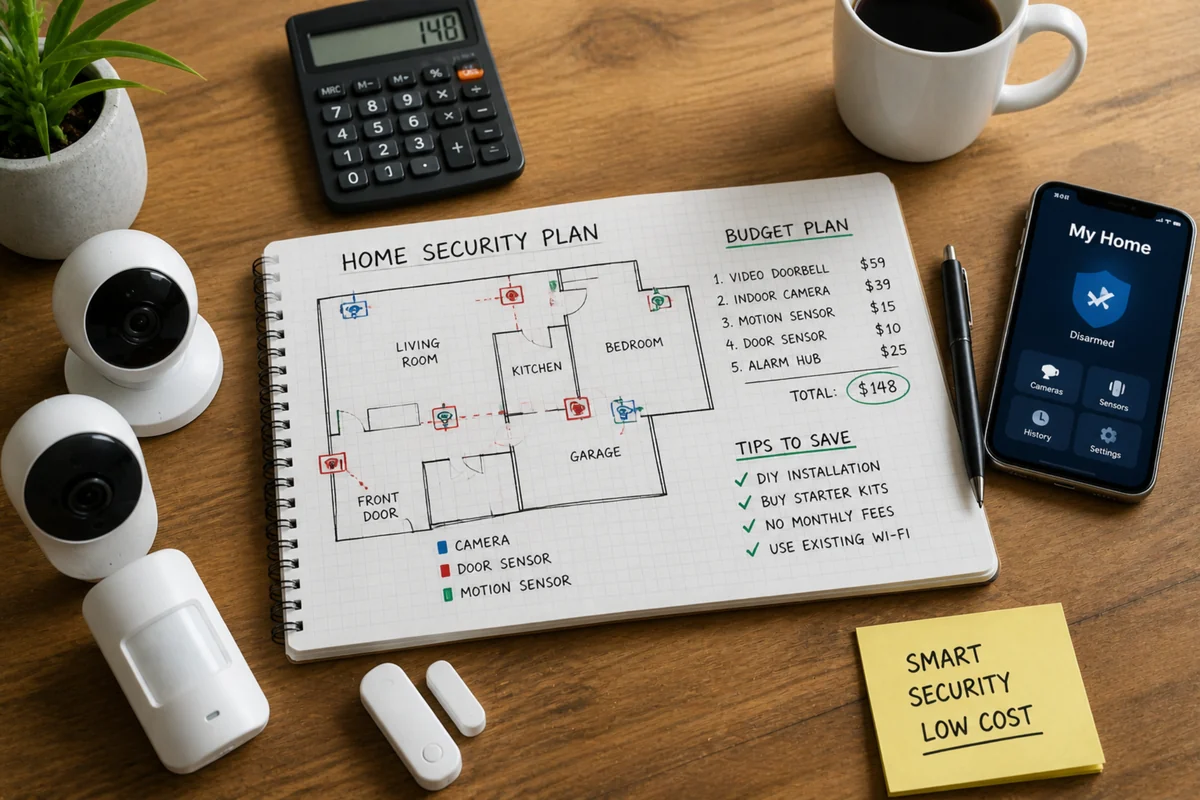
To maintain a DIY security system low cost structure, focus your initial equipment budget on three core components: entry contact sensors, a loud standalone siren, and a central hub. You do not need to purchase twenty individual window sensors on day one. Cover your front door, your back entrance, and any easily accessible ground-floor windows first.
Essential Entry Sensor Core Setup
| Sensor Type | Ideal Mounting Location | Primary Security Contribution |
| Magnetic Contact Sensor | Front entrance & back patio doors | Triggers instantly when a primary perimeter door shifts open |
| Acoustic Glass Break Detector | Main living room window bank | Monitors for the specific frequency of shattering window panes |
| Interior Motion Sensor | Central hallway or high-traffic stairs | Serves as a reliable backup layer if an entry point is bypassed |
| Overhead Tilt Sensor | Main automated garage door panel | Registers unauthorized lifting of the heavy exterior garage bay |
Instead of trying to buy everything at once, focus your spending where it counts. Starting with a streamlined array lets you explore diy home security where to start efficiently, giving you space to see how the system operates in real-world scenarios before expanding.
📲 Self-Monitoring vs Professional Monitoring
One of the most substantial long-term cost differences in the residential property protection market comes down to how your system is monitored. Traditional security firms require multi-year professional contracts that charge steep monthly fees to have a dispatcher contact emergency services on your behalf.
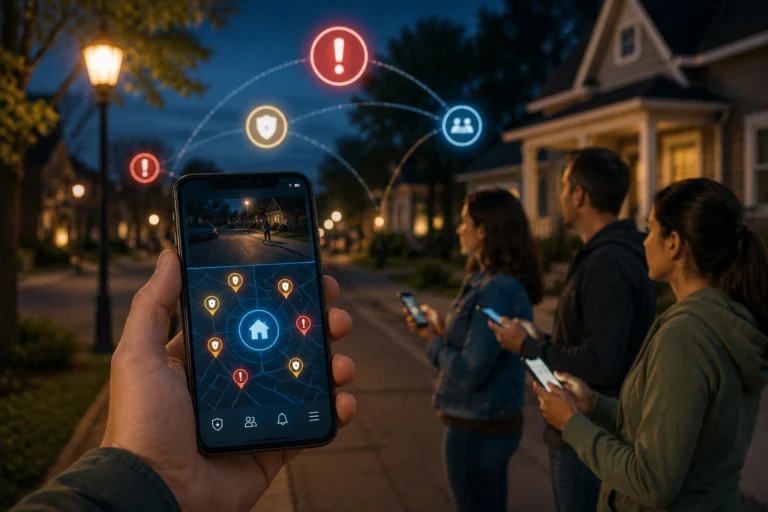
Self-monitoring, by contrast, drops those ongoing fees to zero by sending instant push notifications directly to your smartphone.
Embracing self-monitoring is easily the most popular route for homeowners seeking a true cheap home security system. You retain absolute control over your system data and take full responsibility for contacting local authorities if an alert triggers.
If you do find that you prefer a professional safety net, look for brands that provide optional month-to-month monitoring subscriptions with zero cancellation penalties.
Expert Security Tip
Evaluating Ongoing Costs: Overcomplicating your subscription rules can easily double the long-term price of your system. Before locking yourself into a recurring payment tier, reviewing a balanced are subscription fees worth it for home security analysis will ensure you are only paying for features you actively need, such as cellular backup power or advanced cloud storage.
This modular financial flexibility keeps you in complete control of your long-term operating costs. For families tracking expenses across multiple categories, managing these monthly smart home technology costs is just as important as establishing a clear multi-currency family budgeting strategy for your seasonal household needs.
📹 Add Cameras Strategically, Not Everywhere
Digital cameras are frequently the most expensive components of any modern smart layout, which makes strategic device placement an absolute requirement for managing your budget. You do not need to buy an eight-camera commercial bundle to protect a standard residential lot. Focus your limited lenses exclusively on high-value traffic zones.
To secure your home efficiently, focus your budget on a reliable video doorbell and a single external driveway lens. A doorbell camera handles two vital security tasks simultaneously: it tracks package deliveries and captures crisp, eye-level facial profiles of anyone stepping onto your front porch.
This strategic approach is the best way to deploy the best cheap security cameras and alarms without accumulating unnecessary tech clutter.
High-Value Camera Placement Points
- The Front Door: Captures delivery drop-offs and tracks primary entrance traffic patterns at clear angles.
- The Driveway / Garage Entry: Monitors parked vehicles and secures wide approach angles toward the house.
- The Back Patio Threshold: Covers hidden rear windows and sliding glass doors away from public street view.
- The Central Hallway: Provides rapid visual confirmation via an indoor lens if a perimeter alarm triggers.
Inside your home, a single camera pointed down the main hallway can immediately show you whether a real break-in is occurring or if a family pet accidentally tripped a motion sensor. Choosing local storage options, like an onboard microSD card, also helps you bypass monthly cloud storage subscriptions entirely. Spending time optimizing wi-fi for home security devices keeps your feeds highly responsive and operating smoothly.
🏁 Avoid Long-Term Contracts and Plan for Scalability
The single easiest way to completely blow your property protection budget is by signing a multi-year traditional service contract without analyzing the total cost of ownership. Bundling equipment costs into long-term monthly service fees often results in paying double or triple what the physical hardware is actually worth over the life of the agreement.
A much smarter financial strategy is to purchase your core wireless equipment upfront and embrace a scalable approach. Because modern systems use modular wireless components, you can add glass break detectors, outdoor cameras, or smart smoke alarms one piece at a time whenever extra funds become available.
This step-by-step method keeps you in total control of your budget while building a highly effective system over time.
Smart Home Security Evolution Path
Phase 1: Physical Reinforcement + Entry Sensors ---> Phase 2: Motion Lights + Video Doorbell ---> Phase 3: Secondary Environmental SensorsRead More
Property security should never be viewed as a rigid, one-time project. As your budget expands or your living situation shifts, your defensive setup should grow along with you. Reading our comprehensive overview on how to upgrade a diy system over time will show you how to expand your system logically and avoid costly hardware compatibility mistakes.
Furthermore, remember that a budget setup still requires routine care to remain functional. Take ten minutes twice a year to test your siren, replace low sensor batteries, and clean your camera lenses. Regular updates keep your devices running smoothly and prevent the common diy home security failures and how to avoid them that catch unprepared homeowners off guard.
🏠 Renters Can Secure Their Space Too
If you currently live in a rental apartment or a leased property, you might assume your budget-friendly options are heavily restricted. However, modern security hardware is incredibly well-suited for non-permanent installations, meaning you can easily secure your apartment without risking your security deposit or violating a lease agreement.
Using high-strength adhesive mounting strips allows you to secure door and window sensors without drilling holes into wooden trim. Battery-powered doorbell cameras can be mounted using non-destructive door frame clamps, and freestanding indoor cameras can sit directly on bookshelves or countertops.
This portability ensures that your hardware investment stays with you, moving easily into your next apartment when your lease ends.
Renter-Friendly System Advantages
- Adhesive Mounts: Install magnetic sensors securely without drilling holes or leaving permanent marks on rental frames.
- No Permanent Wiring: Battery-powered components eliminate the need for complicated electrical alterations.
- Removable Hardware: Take down your entire system in under fifteen minutes when moving to a new property.
- Lease Compliance: Protect your living space effectively while remaining fully compliant with standard landlord rules.
Focusing on flexible, modular components allows you to deploy an affordable system tailored for apartment living. This approach keeps your property safe while ensuring your investment remains useful for years to come.
🏁 Conclusion: Balancing Cost and Real-World Risk
Every residential property faces a unique set of exposure levels based on its location and layout. An urban studio apartment deals with different vulnerabilities than a sprawling suburban property or a rural home. Building a system on a budget means focusing your money where it can address your specific, real-world vulnerabilities.
If your primary concern is preventing front porch package theft, your smartest initial investments are automated lighting and a video doorbell camera, which are proven tools for how to prevent package theft porch pirate prevention. These simple steps are highly effective for stopping porch pirates, who are among the absolute lowest, most irritating nuisance criminals out there.
If forced entry is your primary concern, prioritize solid physical lock reinforcements and door contact sensors before buying anything else.
Ultimately, you do not need the most expensive commercial hardware on the market to build a safe home. When you combine strong physical boundaries, strategic lighting, a reliable DIY alarm system, and thoughtful camera placement, you establish an incredibly resilient defense network.
Building your framework layer by layer keeps you in total control of your budget and your safety, giving you peace of mind without a steep price tag.