☀️Solar-Powered Security: The Ultimate Off-Grid Defense Guide

TLDR
- Solar-powered security systems offer flexible, wire-free protection, especially in areas without easy access to power.
- A solar powered security camera can work reliably if it gets consistent sunlight and includes battery backup.
- Performance depends heavily on placement, weather conditions, and proper setup.
- There are clear pros and cons to solar powered cameras, especially around reliability and cost.
- For many homes, a hybrid approach works best rather than going fully off-grid.
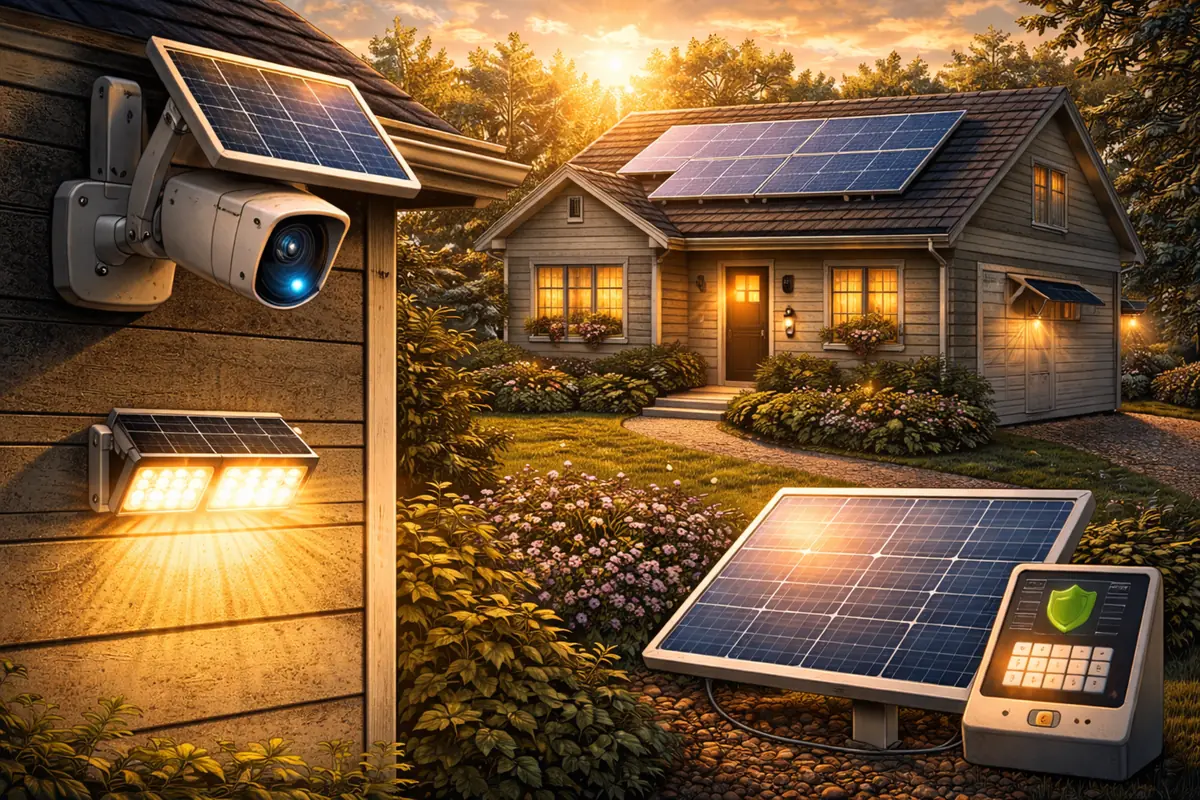
A solar security system is a sophisticated ecosystem designed to harvest renewable energy to provide 24/7 surveillance without being tethered to the local electrical grid. It utilizes solar photovoltaic system basics to convert photons into DC electricity, which is managed by a charge controller to prevent overcharging.
Most systems include high-capacity security system batteries, ensuring the hardware remains operational long after sunset.
- No Wiring Needed: Eliminates the need for drilling through exterior walls or hiring electricians to run high-voltage lines.
- Battery Backup: Stores excess energy to keep the system running through the night and during power and internet outages.
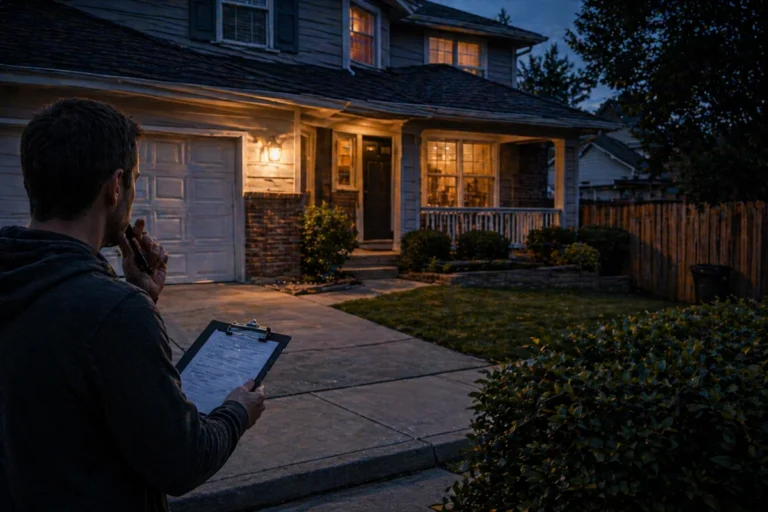
- Sunlight Dependence: Performance varies by location, requiring users to assess their home like a burglar to find the best exposure.
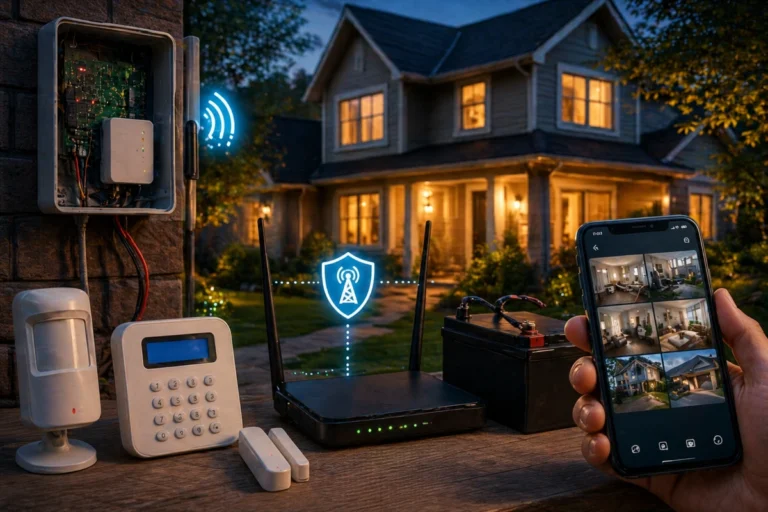
- Wireless Connectivity: These units usually rely on optimized Wi-Fi or cellular data to transmit footage to your smartphone.
In practical terms, a solar powered security camera is usually a wireless device paired with a small, high-efficiency panel. This flexibility is the primary reason homeowners look into installing a solar security system at home when they need to cover property lines that are far from the main house.
🔋 How Solar Security Systems Actually Work
There is a common misconception that solar devices run directly off sunlight in real time; however, that’s not quite how the technology functions. Instead, solar panels act as a constant trickle-charger for an internal storage unit.
This makes alarm system battery management the core of the entire operation. The device draws from this reservoir continuously, even during the day.
- Energy Harvesting: The panel generates electricity during daylight hours to refill the cells.
- Storage Reservoir: Rechargeable security system batteries hold the charge for use 24/7.
- Standby Efficiency: Most modern systems stay in a “sleep” mode and only record when motion sensors trigger an event, preserving energy.
- Connectivity: The system stays linked to your home network via low-energy wireless protocols to minimize drain.
Understanding this energy cycle is essential for DIY home security systems explained in a practical context. It is not just about the size of the panel, but the capacity of the battery it feeds.
⚖️ The Real Pros and Cons of Solar Powered Cameras
Solar security isn’t a perfect fit for every home, but it solves specific problems, like securing a detached garage, extremely well. While the placement freedom is unmatched, the reliability depends heavily on environmental physics rather than just the quality of the tech itself.
| Factor | Pros | Cons |
| Installation | Fast, no-drill, renter-friendly | High initial cost for premium hardware |
| Location | Perfect for fences, sheds, and gates | Requires direct, unblocked sunlight |
| Reliability | Works during grid failures | Security system batteries degrade over time |
| Maintenance | No wires to fray or fail | Panels require cleaning from dust/snow |
If you are weighing the pros and cons of solar setups, consider how they fit into a layered home security framework. Solar is best used to extend your reach to the edges of your property where traditional power is inaccessible.
🏠 Installing a Solar Security System at Home
Placement is the single most important factor for a successful installation. A solar panel needs direct, unfiltered sunlight for several hours a day. Even minor shading from tree branches or nearby buildings can trigger low battery alerts home security apps provide, leading to downtime.
- South-Facing Exposure: In the Northern Hemisphere, always aim panels toward the South to maximize sun intake.
- Clear Obstructions: Ensure no eaves or branches cast shadows over the panel at any point during the day.
- Angle Optimization: Tilt the panel at a 30 to 45-degree angle to shed water and catch the most rays.
- Testing Phase: Use your alarm system battery management app to monitor levels for a full week before finalizing the permanent mount.
Careful placement helps avoid common DIY security failures that typically leave cameras dead when you need them most.
🌤️ Performance in Real-World Conditions
Weather plays a massive role in how these systems perform over time. While solar panels can still generate power on cloudy days, the rate of energy intake drops significantly. This is why investing in the best batteries for alarm systems is critical; you need a large enough “tank” to survive a stretch of bad weather.
- Cloudy Days: Charging is reduced; the system survives on its battery reserve.
- Rainy Periods: Heavy rain blocks light and requires a deep battery reserve.
- Extreme Heat: High temperatures can affect long-term battery health and requires proper maintenance.
- Cold Temperatures: Winter conditions can slow down chemical reactions in the cells, reducing overall efficiency.
Planning for these conditions is a major part of building redundancy into your DIY security.
🔌 Battery vs. Solar Security: The Critical Choice
Homeowners often debate between battery vs. wired security devices. Battery-powered cameras rely entirely on stored energy that you must manually recharge via a USB cable. Solar systems, however, automate this process.
- Manual Maintenance: Battery-only units require regular climbing on ladders to swap or charge cells.
- Self-Sustaining: Solar systems reduce manual labor but introduce environmental dependency.
- Predictability: Battery systems are more predictable for apartment security where you can’t mount panels outside.
- Endurance: Knowing how to extend battery life security sensors by adjusting motion zones can make solar setups last indefinitely.
For many, the best budget alarm system strategy is a hybrid: use wired cameras for the front door and solar for the backyard perimeter.
🏕️ Executing an Off-Grid Security System Solar Setup
For remote cabins or properties without any grid connection, solar is the only viable option. An off-grid security system solar setup must be more robust than a standard backyard camera. These systems often power multiple sensors and a communication hub.
- High-Capacity Storage: You need the best batteries for alarm systems to handle 3–5 days without sunlight.
- Oversized Panels: Using larger panels ensures the system can reach a full charge even during short winter days.
- Cellular Integration: Since Wi-Fi is usually absent, these systems must utilize cellular data for alerts.
- Strategic Placement: Use landscaping as a security layer to hide solar panels from potential vandals.
Remote setups require more initial planning but offer the highest level of independence from professional vs DIY systems.
🤔 Are Solar Security Systems Worth It?
The answer depends on your property’s specific needs and layout. If you have clear sky access and need a minimalist home security setup, solar is an excellent investment.
- Worth It For: Backyards, driveways, sheds, and properties with difficult wiring.
- Not Worth It For: Indoor use, heavily shaded North-facing walls, or under deep roof overhangs.
- Cost Logic: Evaluate how much you should spend on home security by factoring in the cost of professional electrical work versus the cost of a solar unit.
- Battery Lifespan: You must eventually account for when to replace security system batteries, as they typically last 3 to 5 years.
Solar isn’t a gimmick, it’s a practical power solution when you prioritize regular testing and maintenance.
🔄 Optimization: How to Extend Battery Life for Security Sensors
To ensure your solar system doesn’t fail during a storm, you must master energy conservation. Proper battery maintenance security system protocols will keep your hardware running for years.
- Zone Tuning: Use “Activity Zones” to ignore street traffic, which stops the camera from waking up unnecessarily.
- Sensitivity Adjustment: Lowering sensitivity prevents the wind or falling leaves from draining the battery.
- Recording Length: Reducing clips from 60 seconds to 20 seconds can drastically extend battery life security sensors.
- Clean Panels: Wipe panels down every few months to remove dust, pollen, or bird droppings that block light.
These small adjustments are the most effective way to handle alarm system battery management without sacrificing your home’s safety.
✅ Conclusion: Sunlight as a Shield
Solar-powered security systems are a robust solution for the modern homeowner. By understanding how to leverage the sun, you can create a truly layered home security framework that stays active even when the power grid goes down.
Always keep an eye on your low battery alerts home security app, keep your hardware clean, and ensure you are using the best batteries for alarm systems. When you align your technology with your local environment, you get a low-maintenance, high-reliability system that protects your family as long as the sun rises.
Security doesn’t have to be complicated, it just needs smart placement and a little bit of daylight.