⚖️Motion Sensors vs Contact Sensors: What You Actually Need
TLDR
- Contact sensors detect when doors or windows open, making them ideal for perimeter protection.
- Motion sensors detect movement inside a space and provide broader interior coverage.
- Most motion sensors use passive infrared technology to sense body heat movement.
- Contact sensors are precise and low-false-alert, while motion sensors cover larger areas with fewer devices.
- A layered system typically benefits from using both, based on layout and lifestyle.
When you start building a DIY security setup, you usually face the motion sensor vs contact sensor question pretty quickly. On paper, they seem similar; they both trigger alerts and connect to your panel.
In practice, however, the difference between motion and door sensors is fundamental to how your home is defended. Understanding their roles makes it easier to build a system that fits your home instead of overcomplicating it.
Most residential burglaries are opportunistic, and statistics from burglary research show that about 34% of burglars use the front door, while 23% use first-floor windows.
This means your hardware choice directly impacts whether you catch an intruder at the glass or after they are already in your living room. Let’s break this down clearly and practically to help you decide which sensors deserve your budget.
🚪 What Contact Sensors Actually Do
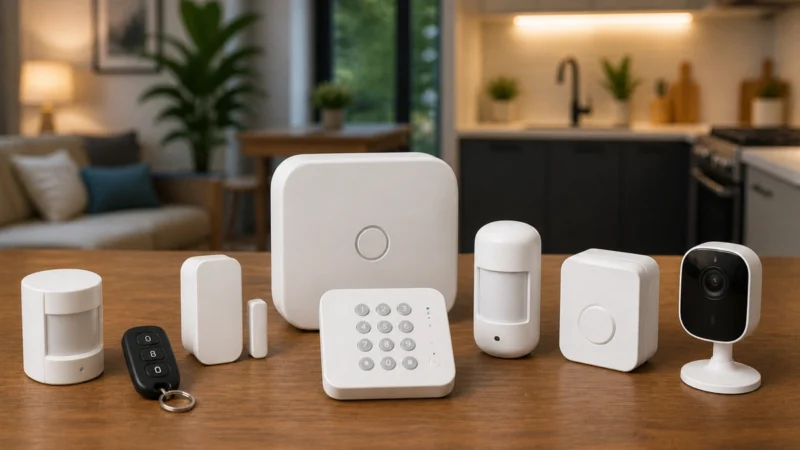
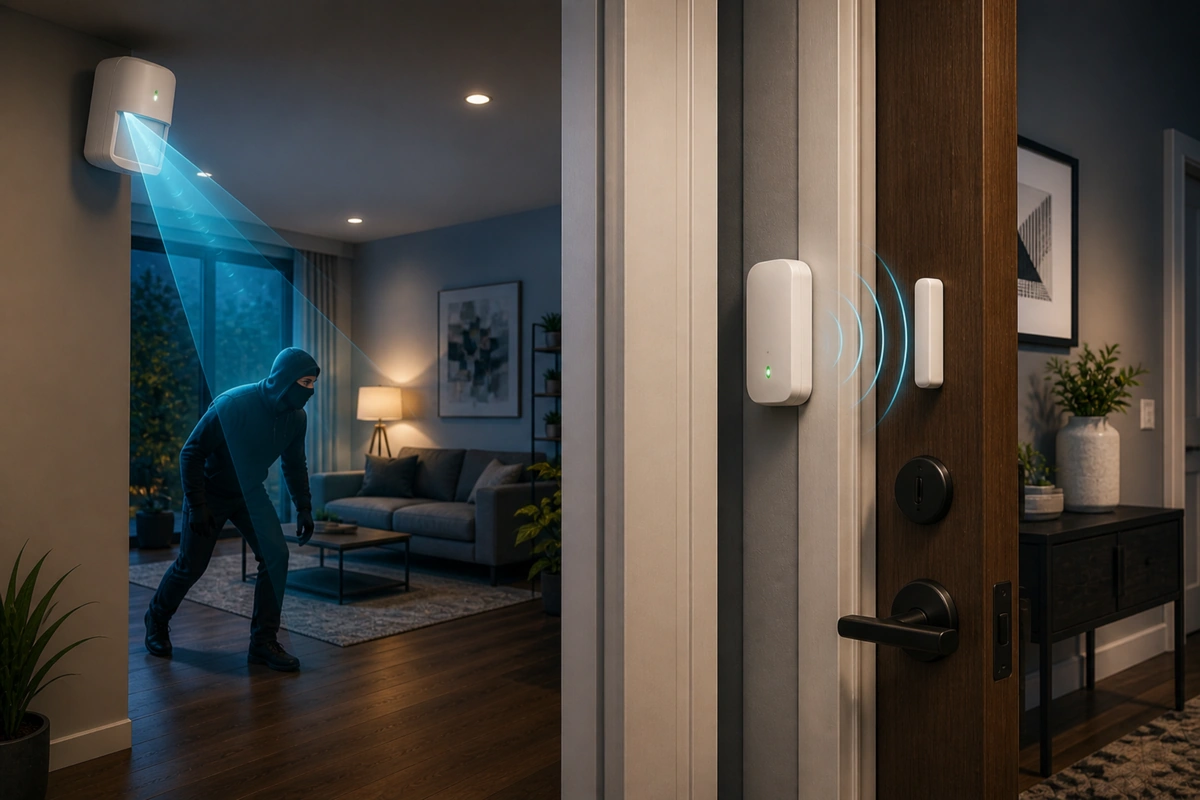
Contact sensors, sometimes called entry sensors, consist of two small components: a sensor and a magnet. One piece attaches to the frame, the other to the moving part of the door or window. When the two pieces separate, the circuit breaks and the system registers the opening.
According to industry standards for door sensors, they are the most precise tools in your arsenal. Because they trigger only when a door or window physically opens, they are highly reliable and generate very few false alarms.
They are often considered the best sensors for home security when it comes to securing the actual entry points of a building. They provide that “first line of defense” that can trigger an alarm before a burglar even steps foot inside.
🏃 What Motion Sensors Actually Do
Motion sensors monitor space rather than specific entry points. Most residential models utilize passive infrared (PIR) technology, which detects changes in infrared energy caused by body heat moving across the detection field.
When you are deciding when to use motion sensors vs contact sensors, remember that motion sensors act as your catch-all interior layer.
Unlike the binary nature of a contact sensor, motion sensors are volumetric. They look at a room and wait for a significant thermal shift. This makes them incredibly efficient for covering open-concept areas where you might have five different windows but only one main “choke point” hallway.
If an intruder bypasses a window contact by breaking the glass rather than sliding the frame, the motion sensor becomes your secondary trap.
⚖️ Coverage Strategy: Perimeter vs Interior
The real motion sensor vs contact sensor decision comes down to layers. Contact sensors protect the perimeter, telling you the moment someone crosses the boundary. Motion sensors protect the interior, providing a second chance to catch an intruder who managed to enter through a vulnerable spot.
In a standard 3-bedroom home, you don’t necessarily need a sensor in every room, but you do need to protect the likely “path of travel.”
If you must choose one due to budget, perimeter protection via contact sensors is generally prioritized. Detecting entry at the source provides earlier awareness and allows you to arm the system in “Stay” mode while you sleep.
However, if you are looking at best DIY security for apartments, a single well-placed motion sensor might be more efficient than ten window sensors, especially for renters who want a quick, non-invasive setup.
| Feature | Contact Sensors | Motion Sensors |
| Primary Role | Perimeter Defense | Interior Backup |
| Trigger Mechanism | Physical separation | Thermal movement |
| False Alarm Risk | Very Low | Moderate (Pets/Heat) |
| Installation | Doors/Windows | High on Walls/Corners |
| Best For | Nighttime “Stay” mode | “Away” mode coverage |
🐕 Pet Immunity and False Alarms
When discussing the pros and cons of motion sensors, pet immunity is a major factor. Modern sensors try to ignore small animals by analyzing weight and heat signatures, often ignoring anything under 50 to 80 pounds. However, it is not foolproof. A cat jumping onto a bookshelf near the sensor can still trigger a siren.
Contact sensors, by contrast, are rarely affected by pets. They only care if a physical seal is broken. This is a common reason why DIY security systems fail if the user doesn’t account for their animals.
If you have active pets, you may want to rely more heavily on contact sensors and glass break sensors for your primary protection, using motion sensors only in “pet-free” zones like the garage or basement.
🛠️ Integrating Both into a Practical DIY Framework
In most cases, the answer to “do you need both motion and door sensors?” is a resounding yes. A layered home security framework uses both to create redundancy. If a burglar assesses your home and finds a way to slide through a window without tripping the contact sensor, the interior motion sensor becomes your safety net.
A Balanced Setup Example
- Perimeter: Contact sensors on all exterior doors and sliding glass doors.
- Interior: One motion sensor in the main living room and one in the master hallway.
- Testing: Ensure you are testing your system regularly to confirm all zones are active.
📍 Placement Tactics for Maximum Reliability
Where you put these sensors matters just as much as which ones you buy. For contact sensors, alignment is king. If the magnet and sensor are too far apart, you will get constant “open” errors. For motion sensors, you want to avoid “thermal noise.”
Placing a PIR sensor directly across from a sunny window or a heating vent can lead to false triggers as the temperature shifts rapidly.
The best spot for a motion sensor is usually a corner, about 7 to 8 feet high. This gives the sensor a wide 90-degree field of view and allows it to see across “choke points.”
Intruders typically walk across a room to find valuables, and PIR sensors are most sensitive when someone walks parallel to them rather than directly toward them. This is a small technical detail that can make a massive difference in your home security sensors‘ effectiveness.
💰 Budgeting for Your Sensor Stack
If you are designing a system on a budget, you have to be strategic. A 3-pack of contact sensors is often the same price as one high-quality motion sensor. Start by securing your “high-traffic” entry points first. Statistically, the front door and back door are the most likely targets. Once those are covered, look at your “blind spots.”
Priority List for Beginners
- Front and Back Doors: Contact sensors are non-negotiable here.
- First-Floor Windows: Contact sensors for those hidden from street view.
- Main Living Area: One motion sensor to cover the transition from the kitchen/living room to the bedrooms.
- Master Bedroom: A contact sensor here is wise, as it is often the first place burglars look for valuables.
📱 The Role of Smart Technology and Connectivity
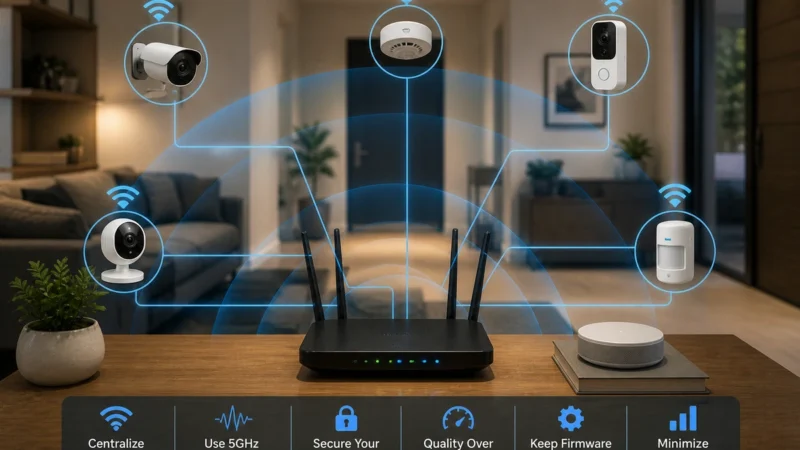
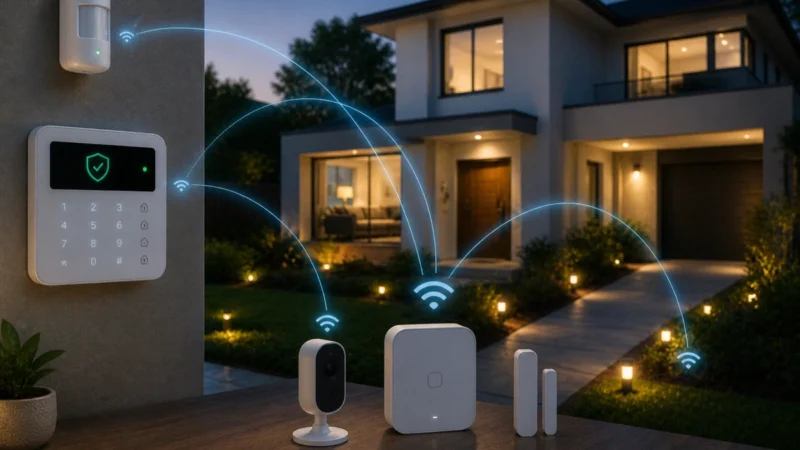
In the modern era, home security sensors are often part of a larger ecosystem. Whether you choose wired vs wireless sensors, you need to ensure they can communicate reliably with your hub. Wireless sensors are far easier for DIY setups, but you must stay on top of battery maintenance to avoid dead zones.
Many people are now integrating their sensors with security cameras. For example, a contact sensor on the front door can trigger a camera to start recording or a smart light to simulate occupancy.
This automation layer turns a simple “beeping” alarm into a proactive defense system that can deter a burglar before they even finish opening the door.
🏁 The Bottom Line
Motion sensors and contact sensors are not competitors; they are teammates. Contact sensors are your first line of defense at the boundary, while motion sensors are your interior cleanup crew. One tells you how they got in; the other tells you where they are now.
If you are starting from scratch, start with the doors. Then, as you upgrade your system over time, add motion sensors to hallways and large rooms. By combining these home security sensors thoughtfully, you ensure your system is reliable and responsive, keeping your sanctuary safe regardless of how an intruder tries to enter.
Don’t forget to account for power and internet outages to keep your sensors online when you need them most.