🏠 Best Budget Home Alarm Systems

TLDR
- Budget home alarm systems can provide solid protection without long-term contracts or expensive professional installation.
- Most affordable systems rely on wireless sensors, mobile apps, and simple DIY setup.
- Entry sensors, motion detectors, and a central hub form the core of an effective alarm system.
- Self-monitoring options can reduce monthly costs while still providing real-time alerts.
- Choosing expandable systems allows you to start small and add devices as your needs grow.
Home security used to come with a lot of baggage. Expensive equipment, professional installation fees, and contracts that lasted longer than some car leases.
For a long time, the only way to get a proper alarm system was to commit to all of that. Thankfully, things have changed.
Modern DIY alarm systems are far more flexible. They are affordable, easy to install, and often work right out of the box with nothing more than a smartphone and a Wi-Fi connection.
You can protect your home without signing a contract or drilling holes all over the place. If you are trying to build a security setup on a budget, there are some excellent options available today.
The trick is knowing which features actually matter and which ones are just marketing extras. Let’s walk through how budget alarm systems work and which types tend to deliver the best value.
💰 What Makes an Alarm System “Budget Friendly”
The word “budget” means different things depending on who you ask. In home security, it usually refers to systems with low upfront costs and minimal ongoing fees.
Evaluating your choices through a practical lens helps you determine how much to invest in security equipment without overpaying for flashy marketing gimmicks.
Traditional security systems often required professional installation and long monitoring contracts. That combination made them expensive even if the hardware itself was not particularly advanced.
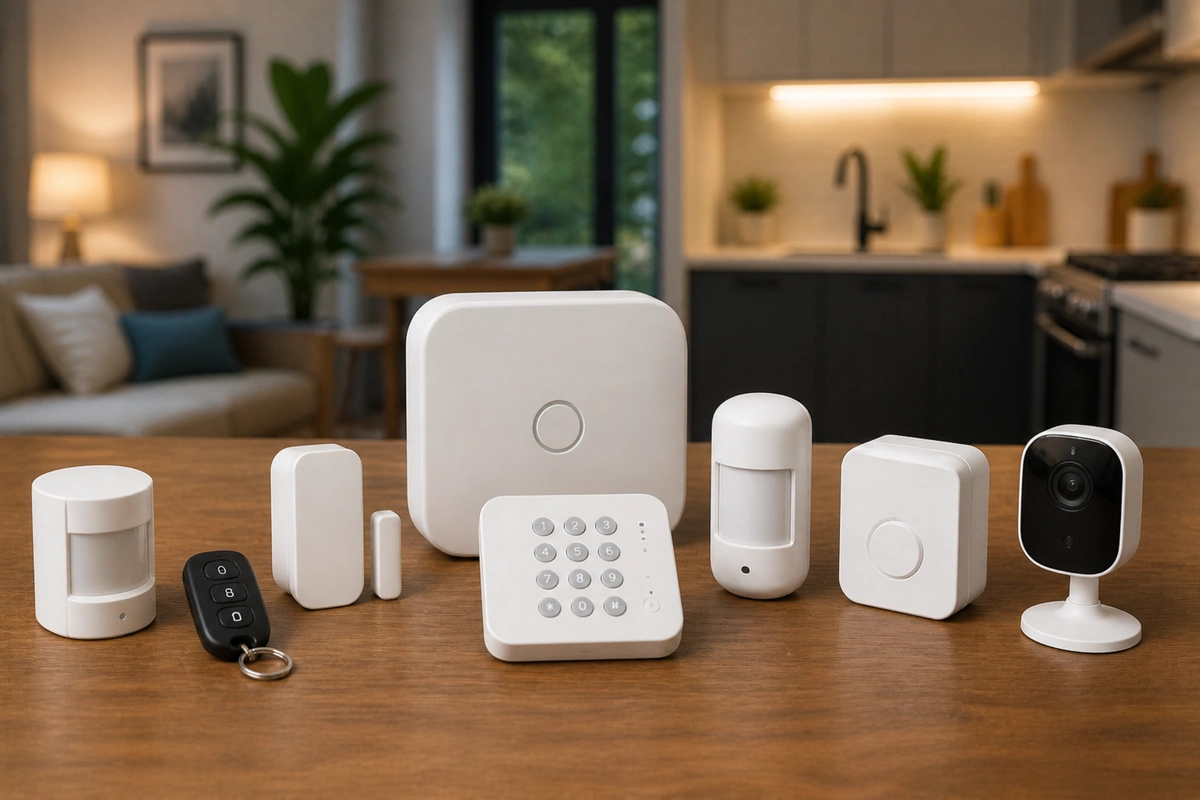
Budget DIY systems approach things differently by putting control back into your hands. They typically include a base station, a few wireless sensors, and a mobile app for control.
Installation takes less than an hour in most cases, and many systems allow you to monitor alerts yourself instead of paying monthly monitoring fees. That shift toward self-installation and flexible monitoring is what keeps costs down.
Finding a reliable cheap home alarm system means looking for hardware that avoids mandatory monthly commitments.
Cost Breakdown Comparison
| Feature | Traditional Security | Budget DIY Systems |
| Upfront Hardware Cost | High (often rolled into monthly fees) | Low to moderate |
| Installation | Professional technician required | Self-installed in under an hour |
| Contract Requirement | Strict 3 to 5-year lock-in | None (cancel or upgrade anytime) |
| Monthly Monitoring Fees | High mandatory recurring cost | Optional or entirely free self-monitoring |
By understanding these structural differences, you can find a cheap home alarm system that provides premium protection without draining your wallet.
🧠 The Core Components of an Effective Alarm System
Even inexpensive alarm systems should include a few essential pieces to protect your property. When looking for the best affordable home security system, you do not need dozens of complicated add-ons right away.
Focusing on a few highly reliable devices ensures your property is covered at a fraction of the cost. The base station, sometimes called a hub, is the brain of the system.
It connects sensors to your home network and sends alerts to your phone when something happens. Some budget home alarm system setups combine the hub with a keypad, while others remain entirely hidden away in a central room.
Door and window sensors are usually the first line of defense. These small devices detect when an entry point opens unexpectedly, neutralizing what makes a home vulnerable.
If you are trying to decide which hardware to prioritize first, comparing different types of perimeter sensors can help streamline your initial shopping list.
Motion sensors provide a second layer of defense inside the perimeter. They monitor movement inside the home and trigger alerts if someone enters a protected area while the system is armed.
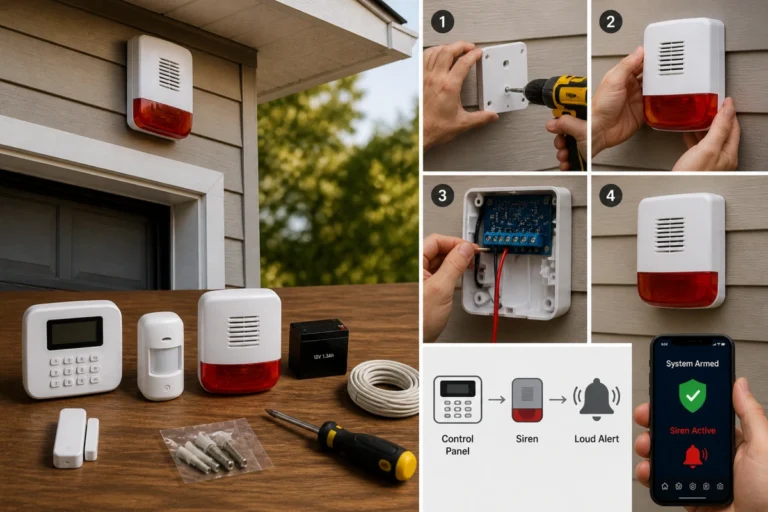
A siren is another useful feature; many base stations include one built in, which creates a loud alarm when the system is triggered. If your starter kit lacks audio punch, learning how to add an extra siren to your property is an easy way to boost your system’s deterrence.
Read More
For a deeper technical dive into the core mechanics of interior movement detection, you can read about how motion sensors work to understand how they detect heat signatures and ambient changes.
📡 Why Wireless Systems Dominate the Budget Category
Almost every affordable alarm system today uses wireless sensors. That design eliminates the need for complicated wiring or hiring expensive professional electricians.
Sensors communicate with the base station using low-power radio signals instead of physical cables running through your walls. For homeowners and renters alike, this wireless configuration is a massive advantage.
Installation typically involves nothing more than placing lightweight sensors on doors and windows using clean adhesive backing. This makes it a perfect fit for streamlined security layouts without cluttering your living space.
Wireless sensors also make systems incredibly easy to expand as your budget grows. If you decide later that you want additional coverage, you can simply add more devices through the mobile app.
However, users often wonder how wireless frequencies perform over time when subjected to daily household interference. Fortunately, modern budget home alarm system options use robust frequencies that prevent accidental dropouts.
Expert Security Tip
Mount for Longevity: When installing wireless contact sensors, clean the door frame with rubbing alcohol before applying the adhesive tape. Using proper sensor mounting techniques prevents false alarms caused by a sensor falling off the wall in the middle of the night.
📱 Self Monitoring vs Professional Monitoring
Monitoring is where many traditional alarm systems become incredibly expensive over time. Professional monitoring services watch your system 24 hours a day and contact emergency services if an alarm is triggered.
While this service can be valuable, it usually comes with high monthly fees that stretch your finances. Budget systems often give you the option to skip professional monitoring entirely.
Instead, real-time alerts are sent directly to your smartphone. You receive instant notifications when sensors are triggered, and you can decide exactly how to respond based on the situation.
Choosing between a self-managed setup or third-party tracking comes down to your personal routine and comfort level. Some homeowners prefer this self-directed approach because it completely eliminates recurring monthly costs.
Others choose flexible systems that allow optional, contract-free monitoring for added peace of mind during vacations. Balancing your budget means exploring if security subscription fees make sense before committing to an ongoing plan.
The key is having the absolute flexibility to decide what works best for your situation.
Monitoring Strategy Breakdown
- Self-Monitoring: Zero monthly fees, instant smartphone alerts, relies on your personal availability to call local authorities.
- On-Demand Monitoring: Pay only for the months you need, perfect for family holidays or extended work trips away from home.
- Full-Time Professional Monitoring: Continuous third-party tracking, automatic emergency dispatch, carries a fixed recurring monthly expense.
🧱 Expandability Matters More Than You Think
One mistake people sometimes make when buying low cost home alarm kits is focusing only on the immediate items inside the starter box. Starter kits are designed to get you up and running quickly, but they rarely cover every single vulnerable entry point in a larger property.
A good budget system should always allow you to expand your network over time. Adding extra door sensors, motion detectors, or cameras later lets you build a highly resilient framework without a large upfront investment.
This phased approach works especially well for changing families or individuals moving into a new home or apartment. For example, expat fathers who have recently relocated their families to a new country can quickly secure an initial apartment layout and add more sensors as they settle into a permanent neighborhood.
Starting with basic components lets you test the hardware without spending a fortune upfront. Over time, you can research how to expand your equipment step-by-step to match your changing property needs.
This adaptability is what makes low cost home alarm kits an excellent choice for dynamic living arrangements.
📲 Smartphone Apps and Daily Usability
A home alarm system is something you interact with regularly throughout your week. You arm it when leaving the house, disarm it when returning, and check real-time alerts when notifications arrive on your device.
Because of this constant interaction, the mobile app experience matters far more than many buyers expect. A good security app should make it incredibly easy to see the status of sensors, review historical alerts, and control the system remotely.
When shopping for the best DIY alarm system under budget, always check user reviews regarding app stability and speed. An app that crashes or takes too long to load can cause immense frustration during your daily commute.
Some security apps also allow you to create automated schedules. For example, you might automatically activate an internal safety mode at night and disarm it in the morning.
To maximize these features, learning how to configure a proper away mode ensures your property stays automatically protected whenever you step out the front door.
Essential App Features to Look For
- Instant Push Notifications: Delivers alerts within seconds of a sensor triggering.
- Clear Device Status Indicators: Shows you exactly which window or door is currently open at a glance.
- Multi-User Access: Allows every member of the family to have their own custom login credentials.
- Automated Event Log: Keeps a detailed history of exactly when the system was armed or disarmed.
🔋 Battery Backup and Reliability
Power outages are an important consideration for any modern security layout. Many homeowners worry that a simple blackout will leave their entire house completely vulnerable to intruders.
Thankfully, inexpensive home security options are built with these exact scenarios in mind. Many modern base stations include built-in internal backup batteries.
If your local electricity goes out unexpectedly, the system can continue operating seamlessly for several hours. To ensure your home stays fully protected during bad weather, implementing backup security power strategies can keep your system online when the grid drops out.
Sensors themselves usually run on small, long-lasting lithium batteries that last for months or even years depending on daily usage. Managing these power cells doesn’t have to be a chore if you follow a clean routine.
For simple guidelines on maintaining your hardware, checking a routine security equipment schedule will help you track battery health effortlessly.
This combination helps ensure your inexpensive home security options stay active even when the local power grid faces major problems.
📷 The Role of Cameras in Budget Systems
Some budget alarm systems now integrate smoothly with external and internal security cameras. While standalone cameras are not strictly required for a basic functional alarm network, they can add incredibly useful visual confirmation to your setup.
If an internal motion sensor triggers an unexpected alert, a nearby camera can help you confirm what actually happened from your phone. Many homeowners love pairing a simple alarm system with one or two indoor cameras to build a layered defense.
This combination provides both immediate detection and visual verification without dramatically increasing your total upfront costs. It also allows you to monitor pets, incoming package deliveries, or unexpected backyard visitors.
If you are trying to find affordable video gear that integrates cleanly, reading about low-cost options for smaller spaces will help you find gear that delivers crisp images. Choosing where to mount these cameras is equally important for keeping your property safe.
To avoid common blind spots, checking where to position cameras for optimal coverage offers clear layout strategies for various home configurations.
Camera Integration Benefits
- Visual Verification: Instantly check if a notification is a true emergency or just a pet moving around.
- Cost-Efficient Coverage: Pairing cameras with simple contact sensors saves money compared to buying complex multi-room sensor arrays.
- Evidence Gathering: Keeps secure recordings of events that can be shared with local authorities if an incident occurs.
🕊️ Avoiding Overly Complicated Systems
One of the greatest underlying advantages of budget alarm systems is their inherent simplicity. Instead of managing dozens of finicky devices, complex local wiring setups, and confusing master keypads, most affordable networks focus entirely on a few key components that work together reliably.
This simplicity often makes them far easier to maintain over the lifespan of the hardware. Sensors are physically small, replacement batteries are cheap and easy to find, and troubleshooting wireless connections is straightforward if something goes wrong.
From a practical perspective, this streamlined nature is actually a massive benefit rather than a limitation. A simple system that works consistently is far more useful than an elaborate, fragile one that constantly triggers false alarms or requires technical support.
If you are starting completely from scratch, reading through an introductory guide on how to build a starting setup will show you how to establish a clean, simple baseline of protection without overcomplicating your daily household routine.
📐 Practical Placement Tips
Even the best affordable home security system will fail to perform well if your sensors are poorly placed around the home. A little bit of careful planning before peeling off the adhesive backing can save you from immense frustration and system blind spots down the road.
Entry sensors should always be installed on the doors and windows that are most likely to be targeted by an intruder. Front doors, back doors, and ground-floor windows should always be your top priorities.
If your home features large sliding panes, implementing custom methods for locking down sliding doors will protect these notoriously weak entry vectors. Motion sensors work best when placed in high-traffic, open areas where lateral movement is easy to detect.
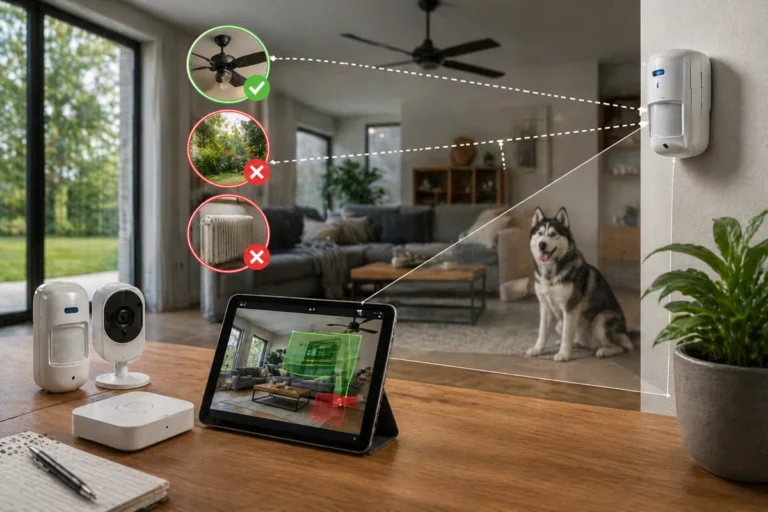
Central hallways, stairwells, and main living rooms are common locations. Avoid placing motion detectors directly facing large glass windows, as intense sunlight or moving outdoor shadows can trick the sensor and trigger highly annoying false alarms.
Optimal Sensor Placement Guide
- Front Door: Place a contact sensor at the top of the door frame to catch the primary entry point immediately.
- Ground-Floor Windows: Install contact sensors on all easily accessible side or rear window tracks.
- Main Hallway: Mount a motion detector at a height of 6-7 feet to cover the main transit route through the home.
- Back Patio Door: Double up protection with both a contact sensor and a secondary physical locking bar.
Taking a few minutes to map out your home layout ensures your affordable hardware operates at maximum efficiency.
✅ Conclusion
Budget home alarm systems have come a very long way in recent years. Instead of requiring expensive long-term contracts and professional installation teams, modern wireless options allow you to protect your home with affordable equipment and a simple DIY setup.
A reliable base station, a few entry sensors, and a strategically placed motion detector form the core of an effective home network. From there, you can easily expand with additional sensors, smart locks, or cameras as your budget allows.
Reading reliable budget alarm system reviews can help you narrow down a specific brand that fits your household’s unique tech preferences. By focusing on practical features like wireless installation, flexible monitoring options, and dependable mobile apps, you can easily build a security system with redundancy that fits your budget without sacrificing daily protection.
In the end, home security does not have to be complicated or expensive. With the right setup, even a modest system can provide the awareness and peace of mind most homeowners are looking for.