💡Outdoor Motion Lighting: Setup, Placement, and Mistakes to Avoid

TLDR
- Motion lighting improves visibility and can deter opportunistic intruders, but effectiveness depends heavily on placement and setup.
- Proper positioning (entry points, blind spots, pathways) matters more than brightness alone.
- Adjustable sensitivity, timing, and angle are critical for reducing false triggers and missed events.
- Over-lighting, poor aiming, and ignoring shadows are some of the most common mistakes.
- A layered lighting approach combining ambient and motion-triggered lights works best in real-world setups.
Outdoor motion lighting sits in a sweet spot for DIY home security. It’s relatively cheap, easy to install, and doesn’t require ongoing subscriptions. Yet when it’s done right, it can noticeably change how your home feels after dark and how it’s perceived from the outside.
This is a vital part of knowing where to start with DIY home security for many property owners.
But here’s the catch: motion lighting isn’t automatically effective just because you installed it. In fact, poorly placed or poorly configured lights can do very little, and sometimes even work against you.
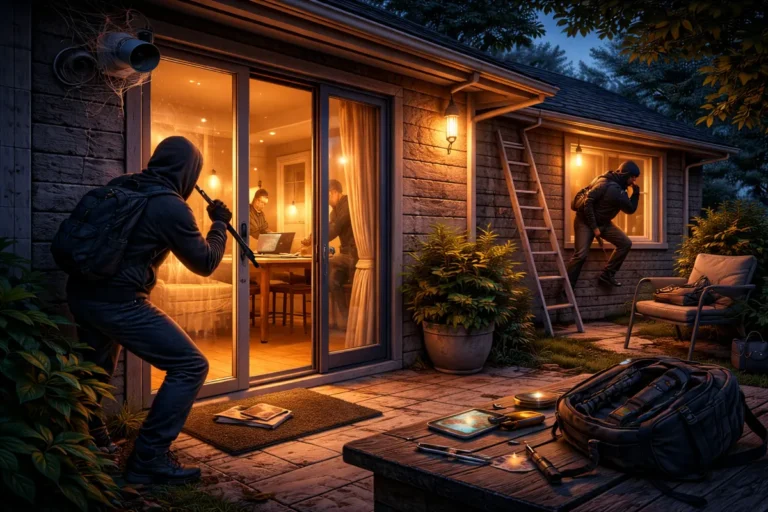
Understanding the way home burglaries actually happen is key to placing your lights where they will be most disruptive to an intruder’s plans.
🌖 Why Motion Lighting Works (When It Does)
At a basic level, motion lighting does two things. It improves visibility and creates a sudden change in the environment when movement is detected. That second part matters more than most people realize. A light snapping on unexpectedly can draw attention, both from you and from neighbors.
It also removes the cover of darkness, which many opportunistic intruders rely on. There’s a reason outdoor lighting for security is a standard recommendation for any property. However, more light doesn’t always mean more safety.
🔦 Choosing the Right Type of Motion Light
Most DIY setups today use LED motion lights. They’re energy-efficient, long-lasting, and bright enough for security purposes. You’ll typically run into three main types of outdoor motion lights:
- Hardwired: These connect directly to your home’s electrical system. They are the most reliable but require more installation effort.
- Battery-Powered: Easy to install and flexible. These are perfect for DIY home security for renters or low-traffic areas like side passages.
- Solar-Powered: Convenient and cost-effective. Use these solar motion lights security tips: ensure the panel gets at least 6 hours of direct sun, otherwise, performance will drop significantly in winter or during extended cloudy periods.
In my own experience, mixing types works best. Hardwired for main entry points, and battery or solar for secondary areas like side yards or back fences.
📍 Where to Place Motion Lights Outside
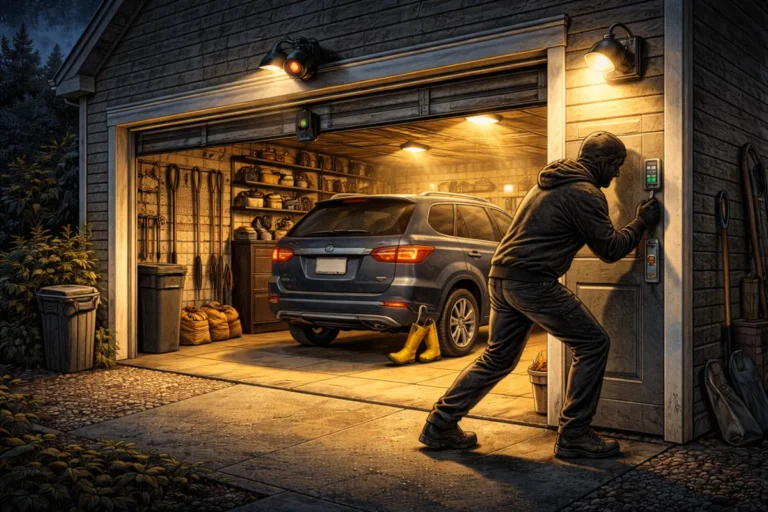
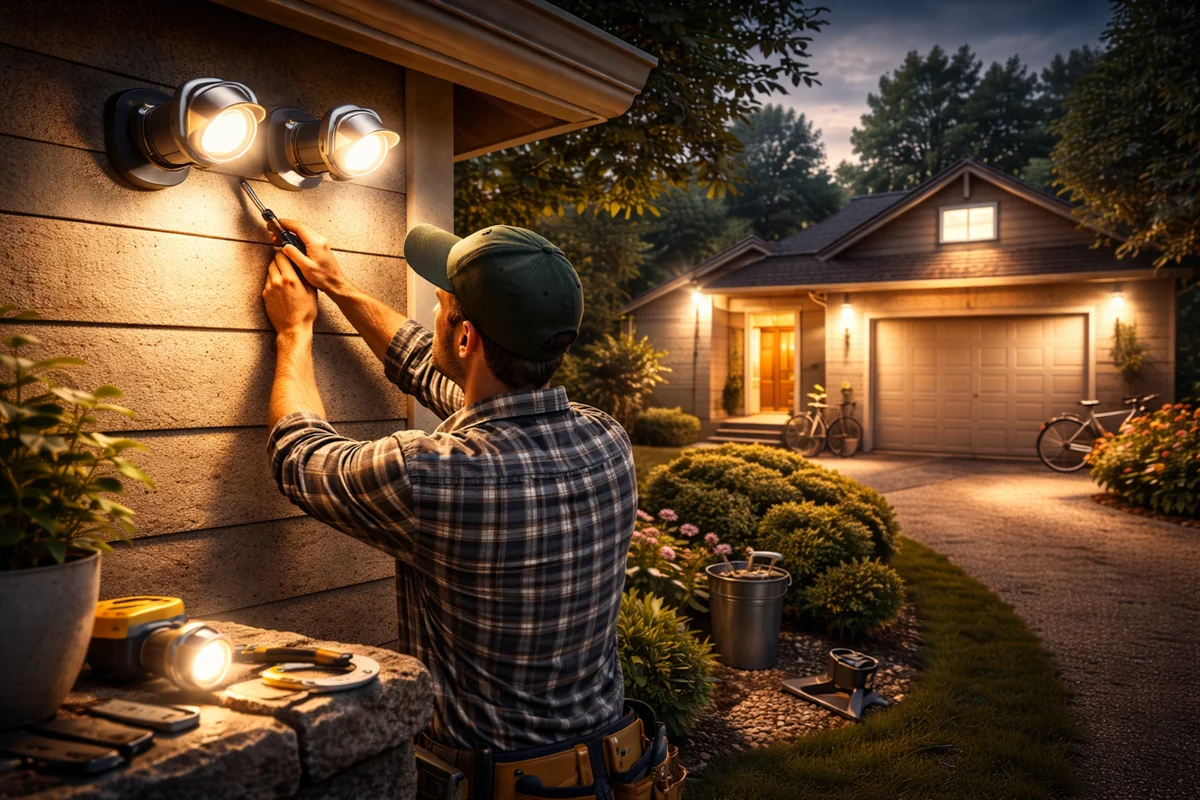
Security lighting placement is where most people get it wrong. You don’t need more lights; you need better coverage. Start with entry points. Your front door, back door, and any side entrances should always be covered.
These are the most common access points, and they deserve priority in any minimalist home security setup.
Next, think about pathways and approach routes. Driveways, walkways, and any obvious route someone would take toward your home should be illuminated.
Then look for blind spots. Corners of the house, areas behind sheds, or sections of your yard not visible from inside are prime candidates. This is a critical step when assessing your home like a burglar would.
💡 Expert Tip: If someone could stand somewhere on your property without being seen from a window, that is exactly where to place motion lights outside.
📐 Height and Angle Matter More Than Brightness
There’s a tendency to mount the best motion sensor lights for home security too high or aim them too broadly. It feels like you’re covering more area, but you’re often reducing effectiveness.
Most motion sensors work best when they detect movement across their field of view, not directly toward them.
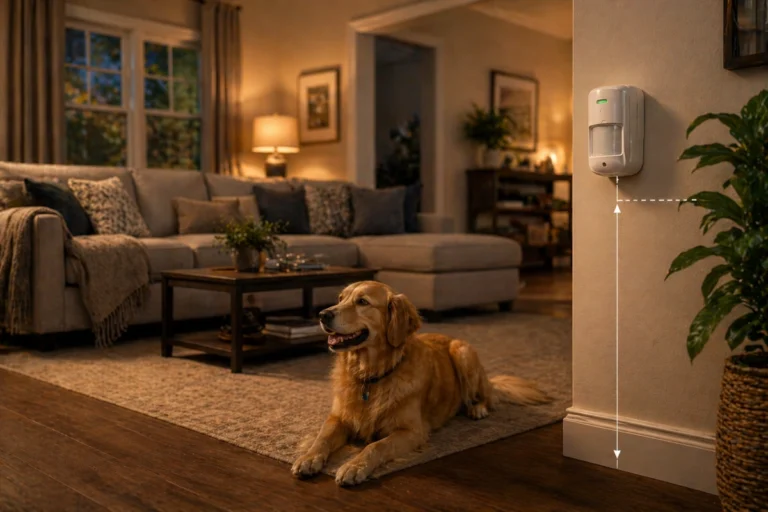
- Mounting Height: The sweet spot is around 6 to 10 feet. Too high and you lose sensitivity; too low and you limit the range.
- Glare Control: Bright light pointed directly outward can actually make it harder to see. Good lighting highlights surfaces and people, not just empty space.
- Camera Sync: Ensure lights are angled to help, not blind, your cameras. Proper placement of security cameras for maximum coverage often depends on how the light hits the lens at night.
⚙️ Dialing in the Settings (Don’t Skip This)
A lot of outdoor motion lights come out of the box with default settings that are too sensitive. Here is how to avoid false triggers motion lights:
- Sensitivity: Adjust this so passing cars on the street don’t trigger the light, but a person walking up the driveway does.
- Detection Range: Match the range to the space. If your backyard is 30 feet deep, set the sensor to 30 feet, not 60.
- Duration: Lights that stay on too long become background noise. Somewhere between 30 seconds and 2 minutes is usually ideal for outdoor lighting for security.
By fine-tuning these, you avoid the common DIY home security failures that lead to homeowners eventually ignoring their own security signals.
⚠️ Common Mistakes That Undermine Your Setup
Over-lighting is a massive issue. Blasting your entire yard with blinding white light can create harsh shadows and reduce visibility in key areas. If your lighting creates deep, dark areas right next to bright zones, you’re essentially giving someone a place to hide.
This is why using motion sensors vs contact sensors together is so effective; the sensor knows someone is there even if your eyes or cameras are struggling with the contrast.
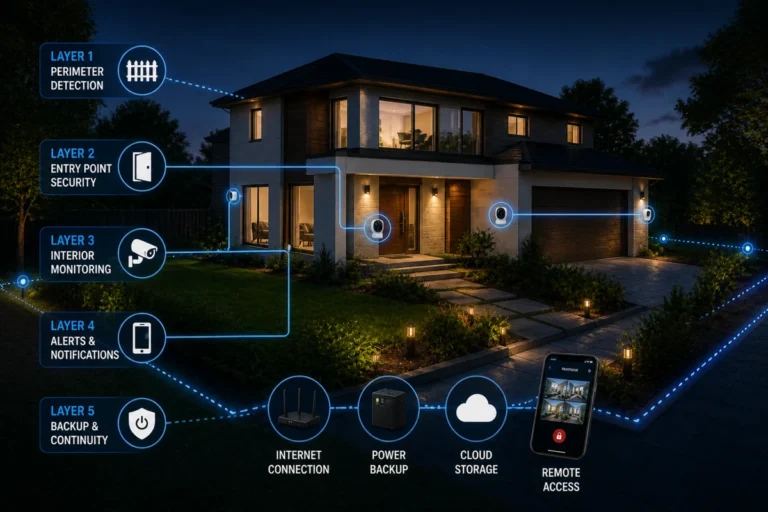
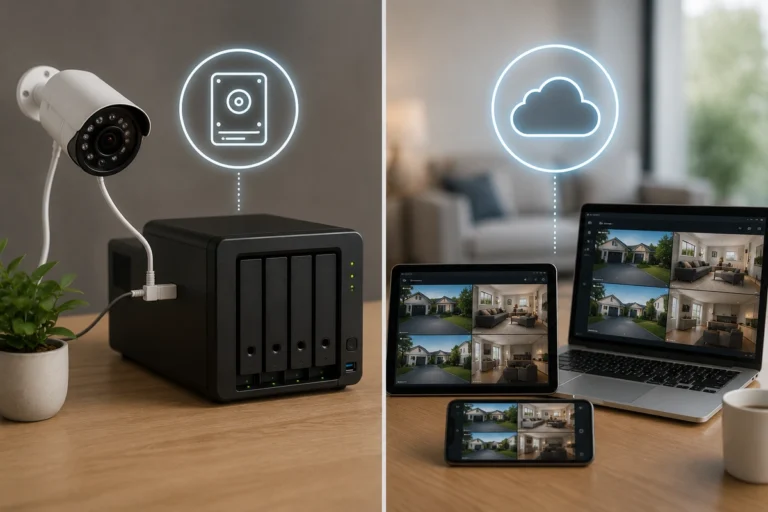
Another mistake is relying on lighting alone. Outdoor motion lights are most effective when paired with other layers. On their own, they’re helpful, but they don’t provide the evidence that standard home security cameras or the notification that the best budget home alarm systems offer.
🌓 Finding the Right Balance
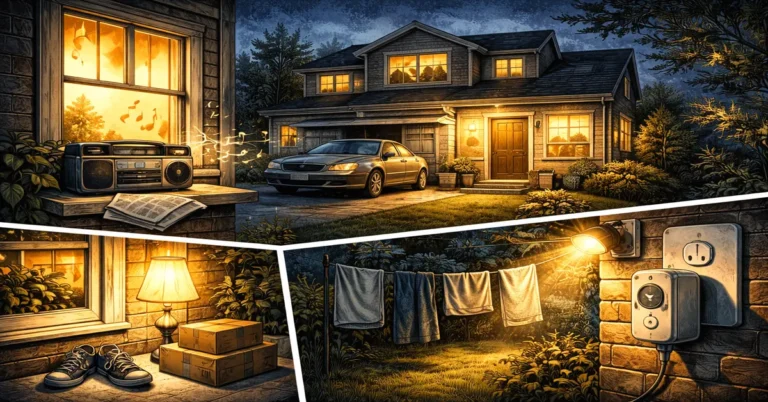
There’s a common belief that brighter always equals safer. In reality, it’s more nuanced. Good outdoor lighting for security helps you see clearly and can make your home feel more active, which may discourage casual intrusions.
But beyond a certain point, it just creates light pollution and annoyance for neighbors.
The goal is balance: enough light to see clearly, placed in the right spots, and triggered at the right time. This contributes to what DIY home security actually protects against by removing the cloak of invisibility that opportunistic crimes rely on.
🛠️ A Simple Setup That Works
If you’re starting from scratch, you don’t need a complicated plan.
- Cover main entry points with hardwired outdoor motion lights.
- Add one or two best motion sensor lights for home security for pathways or driveways.
- Fill in any obvious blind spots with solar or battery units.
That’s it. You can always upgrade a DIY system over time, but even a small, well-placed setup makes a noticeable difference.
🏁 Conclusion
Outdoor motion lights are an upgrade that looks simple on the surface but rewards a bit of thought and fine-tuning. When it’s done right, it improves visibility, draws attention to movement, and makes your home feel less like an easy target.
When it’s done poorly, it’s just another light on the wall that you’ll eventually stop noticing.
Focus on security lighting placement first, settings second, and brightness last. Avoid the most common security mistakes homeowners make by thinking in terms of coverage rather than quantity. Keep it simple, keep it intentional, and you’ll end up with a setup that actually works.