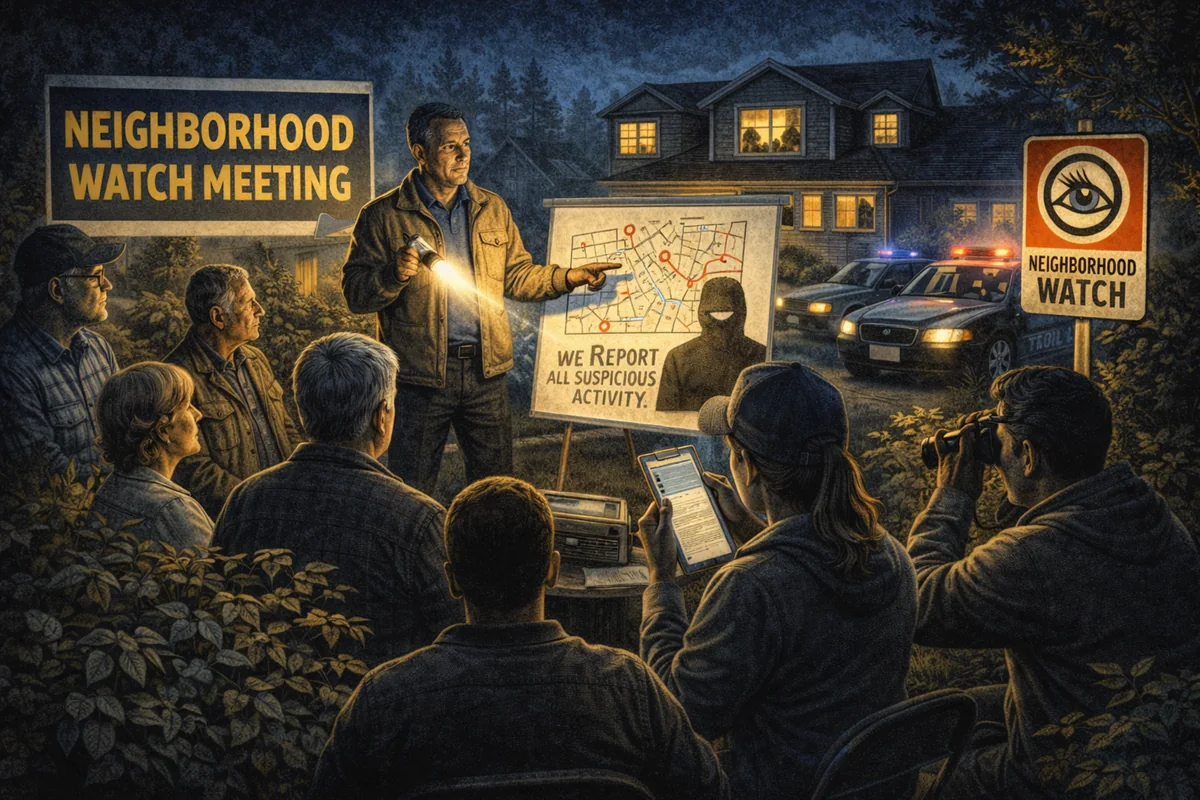
🏘️How to Set Up a Neighborhood Watch That Actually Works

TLDR
- A good neighborhood watch focuses on awareness and communication, not confrontation.
- Clear structure, simple rules, and consistent participation are what make it effective.
- Regular communication channels matter more than formal meetings.
- Visibility, signage, and shared habits help deter opportunistic crime.
- The most successful programs stay simple, realistic, and easy to maintain.
The idea of a neighborhood watch sounds straightforward. People look out for each other, report anything unusual, and somehow the whole area becomes safer. In reality, some work well and others quietly fade out after a few months. The difference usually is not enthusiasm. It is structure, clarity, and how easy it is for people to actually stay involved.
A good neighborhood watch does not require constant meetings or strict routines. It just needs to make awareness part of everyday life. Whether you are looking for where to start with DIY home security or trying to organize your entire block, the principles remain the same.
Let’s walk through how to build a neighborhood watch setup that people will actually stick with.
🎯 Start With a Clear, Realistic Goal
The first mistake people make is trying to do too much too quickly. Neighbors often talk about patrols, schedules, and detailed systems before anyone has even agreed on the basics. A neighborhood watch is not about policing your area. It is about awareness and communication. That is it.
The goal is simple: make it easier for neighbors to notice unusual activity and share information quickly. According to the National Neighborhood Watch program, understanding what a watch actually is is the first step toward success. When awareness happens consistently, it naturally reduces opportunities for crime.
Expert Tip! Define your “Primary Mission” in one sentence. For example: “To observe and report unusual activity to neighbors and local authorities.” Post this at the top of your digital group so everyone stays on track.
🤝 Keep It Simple Enough That People Stay Involved
The more complicated the setup, the faster participation drops. You do not need committees, long rules, or formal roles right away. In fact, those things can scare people off. Most neighbors are willing to help, but only if it fits into their normal routine.
- Start small: A basic group chat is often enough.
- Agree on basics: Decide what matters (e.g., strangers in backyards vs. loud music).
- Avoid “Role Overload”: Do not force people into titles like “Captain” if they just want to watch their street.
Once people are engaged, you can add structure if it actually helps. But in the beginning, simplicity wins every time. This aligns with minimalist home security setups that focus on high-impact, low-effort actions.
📱 Build a Reliable Communication Channel
This is the backbone of everything. If people notice something but do not know how to share it, the system breaks down immediately. You need one clear, easy way for everyone to communicate.
| Platform | Pros | Cons |
| WhatsApp/Signal | Fast, encrypted, most people already have it. | Can get cluttered with non-security chat. |
| Nextdoor | Reaches the whole local area easily. | Privacy concerns; can become argumentative. |
| Dedicated Apps | Specialized for security reporting. | Harder to get everyone to download a new app. |
The key is consistency. One channel, not five different ones. That avoids confusion and keeps information flowing. From my experience, this is where things either click or fall apart. If communication feels easy, people use it. If it feels like effort, they do not.
Read More: How to build redundancy into a DIY setup so you do not rely solely on one method of notification.
📜 Set Basic Guidelines Early
You do not need a rulebook, but you do need a few ground rules to start neighborhood watch efforts on the right foot. Clear guidelines prevent misunderstandings. They also help avoid unnecessary panic or over-reporting, which are common DIY home security failures.
A good approach is to focus on behavior, not assumptions. Unusual activity, unfamiliar patterns, or things that do not fit the normal rhythm of the neighborhood. This keeps the group focused and practical.
Read More: Assessing your home like a burglar would to understand what behaviors actually look suspicious.
🪧 Make Visibility Part of the Strategy
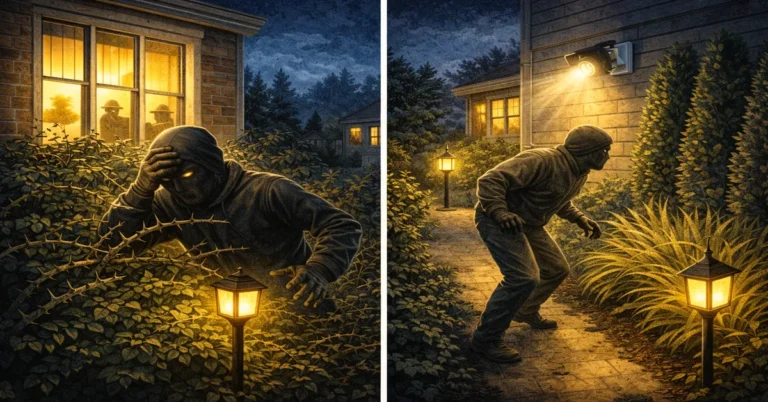
A neighborhood watch works best when people outside the group know it exists. Signage is one of the simplest ways to do this. Even basic signs indicating an active watch can act as a deterrent. They signal that people are paying attention.
You do not need to overdo it. A few visible reminders at entry points or along the street are enough. There is a psychological effect here. When a place looks monitored and connected, it feels less predictable. That alone can discourage opportunistic behavior.
Expert Tip! Combine group signs with individual deterrents. If a burglar sees a neighborhood watch sign AND visible security cameras, they are far more likely to skip your block entirely.
🚶 Encourage Small, Consistent Habits
The strength of a neighborhood watch comes from daily habits, not occasional effort. These actions do not take much time, but they create a steady level of awareness. These are the benefits of neighborhood watch programs that go beyond just stopping crime.
- Package Protection: Pick up boxes left on a neighbor’s porch.
- Vehicle Awareness: Notice if a car has been idling for 20 minutes with the lights off.
- Travel Support: Know how to make your house look occupied when away by helping neighbors with bins or mail.
Over time, this builds a sense of shared responsibility without making it feel like a chore.
🛑 Avoid the Overreaction Trap
One of the fastest ways to lose trust in a neighborhood watch is overreaction. If every minor thing turns into a big alert, people start tuning out. The signal gets lost in the noise. That is why it is important to keep communication calm and factual.
Describe what you saw, when, and where. Avoid jumping to conclusions. This keeps the group useful and credible. People are more likely to pay attention when messages feel grounded and relevant. This is a core part of tips for effective community watch management.
Read More: Do fake cameras and security signs actually work? and why over-relying on “scare tactics” can sometimes backfire.
👮 Work With Local Authorities, Not Around Them
A neighborhood watch is not a replacement for local law enforcement. It is a support layer. When something serious happens, the correct step is always to contact the appropriate authorities first. Many successful groups establish a basic connection with local police.
This can be as simple as understanding when to report certain types of activity and how. It also helps ensure that the group stays within safe and appropriate boundaries. The focus should always remain on observation and reporting, not intervention.
This is what DIY home security actually protects against – identifying threats so professionals can handle them.
Expert Tip! Ask a local officer to attend your first “meet and greet.” They can provide community crime prevention tips specific to your local crime trends.
🔄 Keep Participation Flexible
Not everyone will be equally involved, and that is okay. Some people will actively post updates. Others will quietly read and stay aware. Both are valuable. Trying to force equal participation usually backfires. It turns a voluntary system into something that feels like an obligation.
Instead, allow people to engage at their own level. As long as they are connected and paying attention, they are contributing. This flexibility is what keeps groups active over time. It is especially useful for those with best DIY security setups for apartments, where neighbors might move more frequently.
⚙️ Refresh and Adjust When Needed
Even a well-functioning neighborhood watch can lose momentum if it becomes static. It helps to occasionally check in. Not formal meetings, just simple updates or reminders. Maybe someone shares a quick tip, or the group revisits basic guidelines.
- Bi-Annual Audit: Check if group members have moved away and remove them from chats.
- Tech Check: Ensure your wireless security systems or cameras are still providing the coverage you think they are.
- New Member Welcome: Make it easy for new neighbors to join and understand the “culture” of the watch.
Small adjustments keep the system alive without making it complicated. This is similar to how to upgrade a DIY system over time.
🧱 Combine It With Other Security Layers
A neighborhood watch is powerful, but it is not a complete solution on its own. It works best alongside other measures like proper outdoor motion lighting and high-quality smart locks.
When these elements come together, the environment changes. It feels observed, cared for, and less predictable. That combination is what makes a real difference. If you are organizing neighborhood security group efforts, make sure to encourage individual home hardening too.
Read More: The most common security mistakes homeowners make and how community awareness can fix them.
🏠 What a Working Neighborhood Watch Actually Looks Like
It does not look like constant alerts or organized patrols. It looks like quiet awareness. A message here and there. Someone noticing something out of place. Another person confirming or adding context. Most days, nothing happens. And that is a good sign.
The goal is not activity. It is presence. A shared understanding that people are paying attention. This is one of the best community crime prevention tips because it targets how home burglaries actually happen – by looking for easy, unobserved targets.
🏁 Conclusion
Setting up a neighborhood watch is not about building a system. It is about building a habit. When people feel connected, informed, and comfortable sharing what they notice, the whole area becomes more resilient. You do not need complexity to get there. Just clear communication, simple guidelines, and a group of neighbors willing to stay aware.
How to create a neighborhood watch program that lasts? Keep it practical, keep it easy, and most importantly, keep it consistent. That is what makes it work. Once you have the community watching out, every individual best budget home alarm system on the street becomes twice as effective.