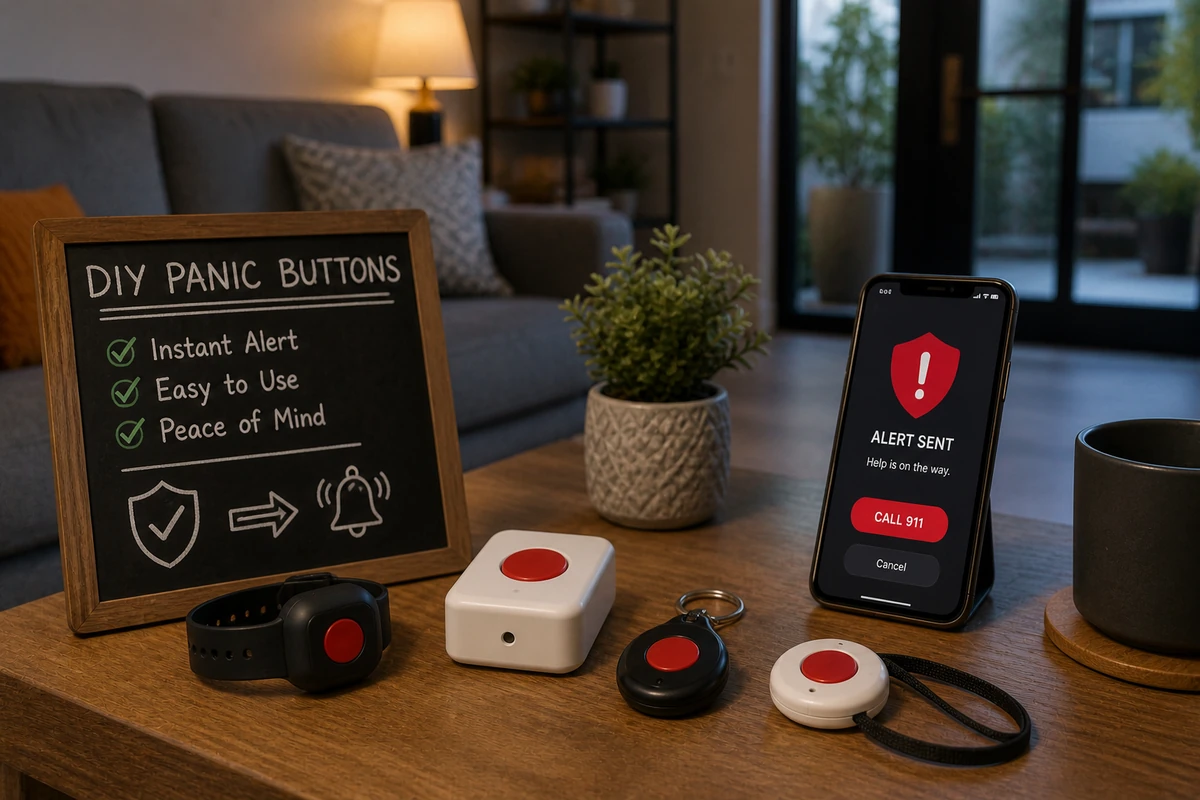
🚨DIY Panic Buttons: Do You Need One?

TLDR
- DIY panic buttons provide instant emergency signaling without needing a full alarm panel.
- They can trigger alarms, alerts, or monitoring center responses depending on setup.
- Wireless, app-based, and wearable options each serve different household needs.
- Placement and accessibility matter more than complexity in real emergencies.
- They work best as part of a layered home security system, not as a standalone solution.
A panic button sounds simple enough: press it, and help is on the way. But in a DIY home security setup, the decision to add one isn’t always as obvious as it seems. Some people see a panic button home security device as essential, while others install one and barely use it.
The real question isn’t whether panic buttons work; it is whether they fit your daily life and your actual risk profile. Let’s break it down to help you decide do you need a panic button at home without overthinking it.
🧠 What a DIY Panic Button Actually Does
At its core, a DIY panic button home security device is a fast way to trigger an emergency response. Unlike automatic sensors, it is a human-controlled trigger for moments when you can’t safely access your phone.
- Siren Activation: Instantly triggers loud audible alarms in the home.
- Mobile Notifications: Sends immediate alerts to your smartphone.
- Monitoring Signal: Notifies a professional center if you have a monitored system.
- Manual Control: You decide when to use panic alarm triggers, unlike motion sensors.
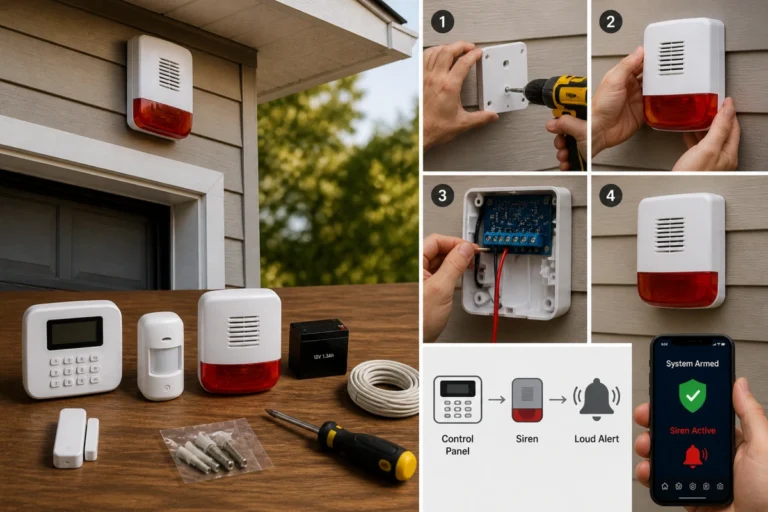
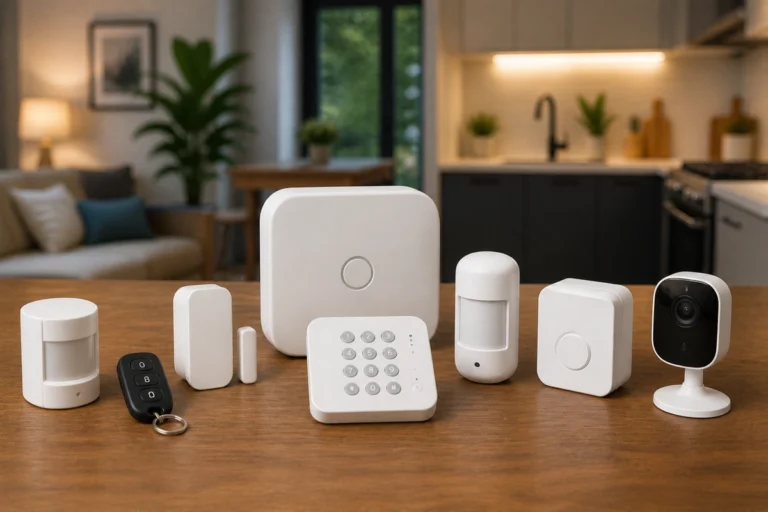
In modern setups, panic buttons come in several forms, including wall-mounted buttons, wireless remotes, and wearable devices. When learning how to set up panic button alarm routines, keep in mind that industry standards often dictate how these signals are prioritized.
📊 Quick Comparison Table
| Type | Best Use Case | Pros | Limitations |
| Wall-mounted | Fixed locations (bedroom, entryway) | Always in place | Not portable |
| Key fob | Everyday carry | Easy access | Can be misplaced |
| Mobile app | Smartphone users | Flexible | Requires phone access |
| Wearable button | Elderly or at-risk users | Always on-body | Battery dependent |
⚖️ When a Panic Button Makes Sense
Not every home absolutely needs a panic button, but there are situations where it is more than just “nice to have”. When comparing a panic button vs alarm system automation, manual triggers provide a fail-safe for unexpected home security threats.
- Solo Living: Ideal if you spend long periods alone at home.
- Medical Needs: Vital for those with limited mobility or conditions.
- Speed: Faster than unlocking a phone to call for help.
- Budget Layer: A cost-effective way to add an extra layer when designing a system on a budget.
- Manual Override: Gives you a human-controlled option in a layered DIY system.
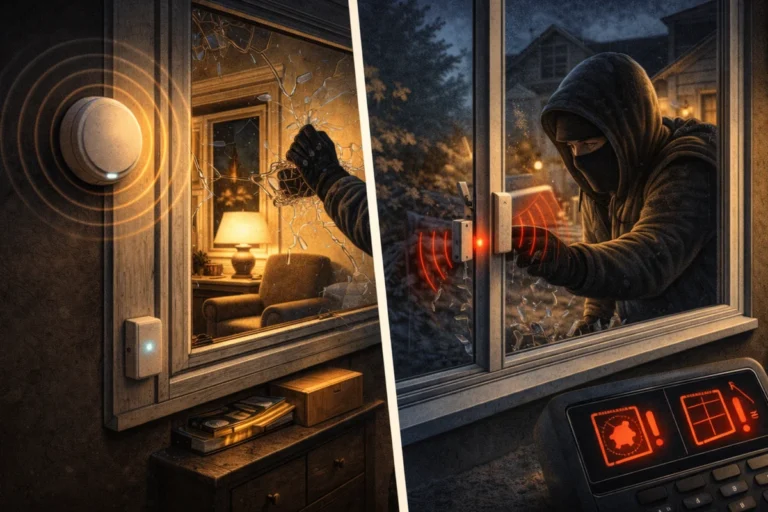
Panic buttons are about edge cases where fumbling with apps isn’t realistic. This is a vital distinction to make when assessing your home like a burglar would.
🏠 Where DIY Panic Buttons Work Best in a Home
Placement matters more than people expect; a panic button home security trigger only helps if you can reach it instantly.
- Bedroom: Near the nightstand or bed frame for nighttime vulnerability.
- Main Entry: Located near reinforced front doors.
- Common Areas: Wall-mounted in the kitchen or living room.
- Bathrooms: Critical for medical emergency use cases.
- Garage Entry: Smart placement for those who have focused on securing their garage.
If you have to search for the button, it is already less useful. Intentional placement ensures that help is only a single press away in high-stress moments.
📡 How Panic Buttons Fit Into a DIY Security System
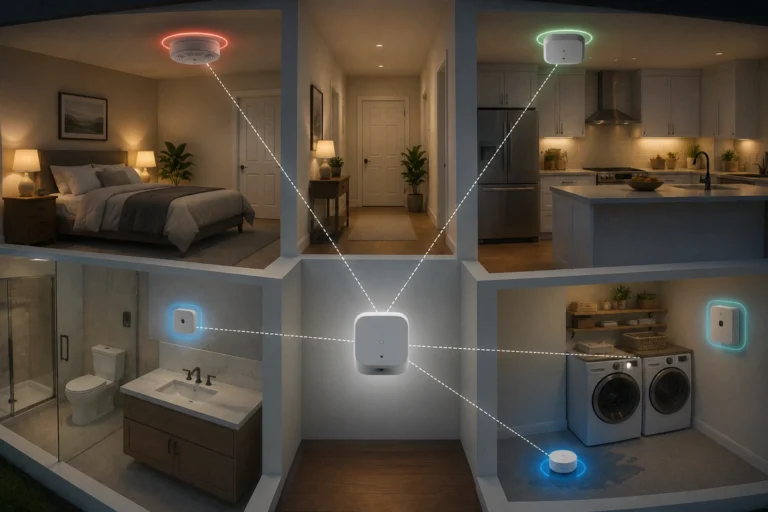
A panic button should not be treated as a standalone device; it works best when integrated into a coordinated response.
- Deterrence: Triggers indoor sirens to scare off an intruder.
- Visibility: Activates outdoor motion lighting.
- Evidence: Triggers security camera recording or live streaming.
- Notification: Alerts trusted contacts or professional monitoring.
Coordination ensures that pressing the best panic button for home security triggers a multi-faceted response rather than just a solitary alert. This is a key part of learning how to set up panic button alarm systems effectively.
🧾 The Limitations You Should Know
Panic buttons are useful, but they are not magic; a few limitations are worth keeping in mind.
- Human Stress: Requires conscious activation under high-pressure situations.
- Tech Health: Wireless reliability and batteries must be monitored.
- False Alarms: Portable devices can be triggered accidentally, a common DIY security failure.
- Not Passive: They do not replace detection-based automated systems.
Sensors detect problems, cameras confirm them, and panic buttons give you control. To ensure it works, you must be testing your home security system regularly.
🧩 So, Do You Actually Need One?
This decision is personal and based on your household’s specific risk profile.
- Optional: If your minimalist setup already has reliable sensors and mobile alerts.
- Recommended: If you want the fastest way to trigger help without a phone.
- Essential: For households with children or elderly members who need simple access.
- Strategic: If you are just starting your DIY journey and want an easy backup.
It is not about complexity; it is about speed and certainty in a stressful moment.
🧭 Final Thoughts
DIY panic buttons offer direct control when things feel uncertain. If you are looking to build redundancy into a DIY security setup, they are a worthy intentional backup layer. They don’t prevent the initial incident, but they provide the essential human-controlled bridge between detection and response.
In a well-balanced home defense strategy, these buttons serve as a safety net for the gaps that automation can’t always fill. Whether it is a medical fall in the bathroom or an intruder encountered in the hallway, having a tactile, non-digital way to call for help is often what makes a system feel truly complete.
Ultimately, a panic button is an investment in certainty during moments of high stress. While you hope you never have to use it, its presence ensures that you, and everyone else in your household, always have a direct line to assistance that doesn’t rely on fumbling with a smartphone or waiting for a sensor to trip.