📶Wired vs Wireless Sensors: Which Is More Reliable?

TLDR
- Wired sensors are generally more stable and less interference-prone.
- Wireless sensors are easier to install and more flexible for DIY setups.
- Reliability depends heavily on installation quality and environment.
- Power loss and signal issues are the main trade-offs in wireless systems.
- Most modern security setups use a hybrid approach for balance.
When you are building a DIY security setup, the wired vs wireless sensors debate shows up almost immediately. And honestly, it is one of those topics where the answer is not as dramatic as people expect. Both systems are widely used in professional and consumer-grade security setups.
The real difference is not just about raw performance; it is about your specific installation environment, maintenance habits, and how tolerant you are of inconvenience during the setup or repair process.
You will see strong opinions online, but in practice, security sensor reliability comes down to context more than technological superiority. Many users start by assessing their home like a burglar would and then choose their hardware based on where the wires can or cannot go.
🔌 Introduction: The Reliability Question Most People Overthink
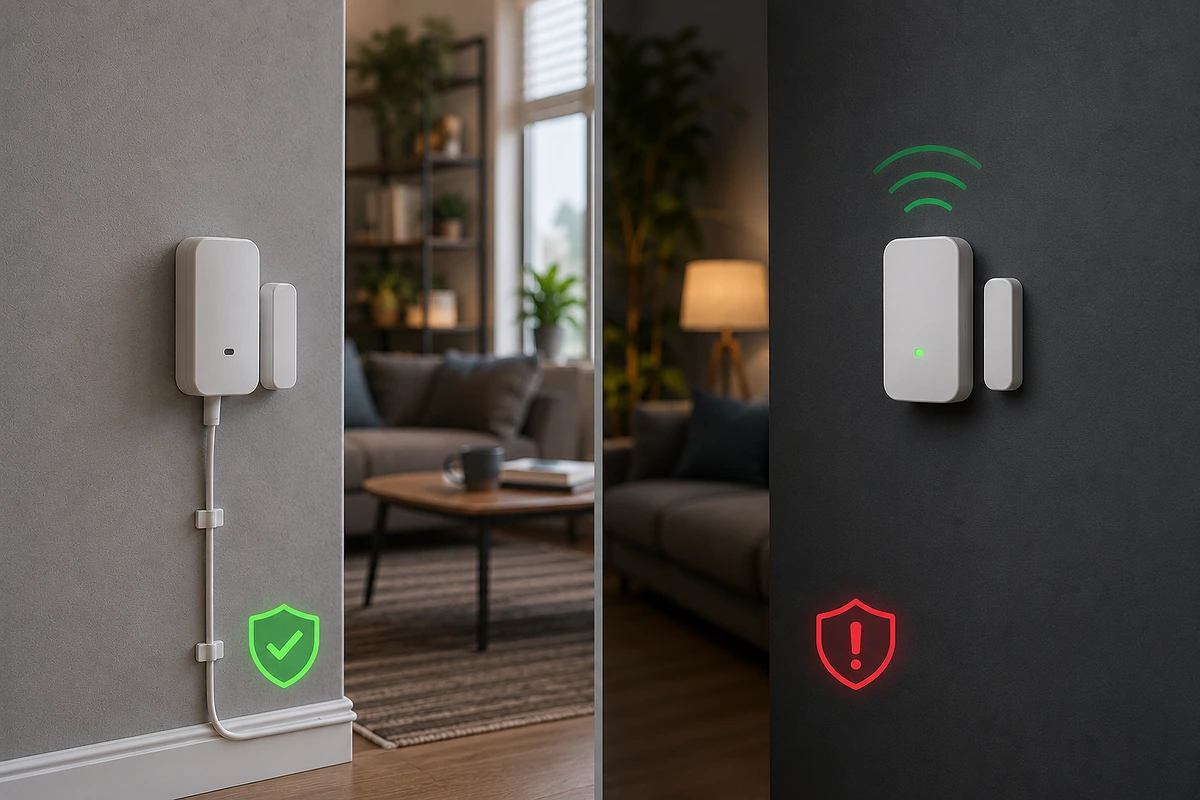
Wired sensors are often seen as the stable baseline, while wireless ones offer the flexibility that minimalist home security setups require. Before you decide, it helps to see the bird’s-eye view of how they compare across the board.
| Factor | Wired Sensors | Wireless Sensors |
| Stability | Very high | High (modern systems) |
| Installation effort | High | Low |
| Maintenance | Low | Medium |
| Power dependency | Low | Battery-dependent |
| Flexibility | Limited | Very high |
🔧 Wired Sensors: Why They Are Still the Stable Baseline
Wired sensors are often seen as the most dependable option in traditional security installations. The reason is simple: they do not rely on wireless signals or batteries to communicate. Once installed, they deliver consistent performance because the signal path is physically connected. This removes common interference issues wireless sensors might face in crowded spectrum environments.
In real-world use, this makes wired systems especially strong in permanent installations—think full-home security setups where walls are already open for cabling or during major renovations. Many homeowners choose these when designing a home security system on a budget for the long term, as you save on battery costs over a decade of use.
The Trade-offs of Physical Lines
- Stability: Signal dropouts are virtually nonexistent.
- Permanence: Wiring feels permanent, which is both its strength and its limitation.
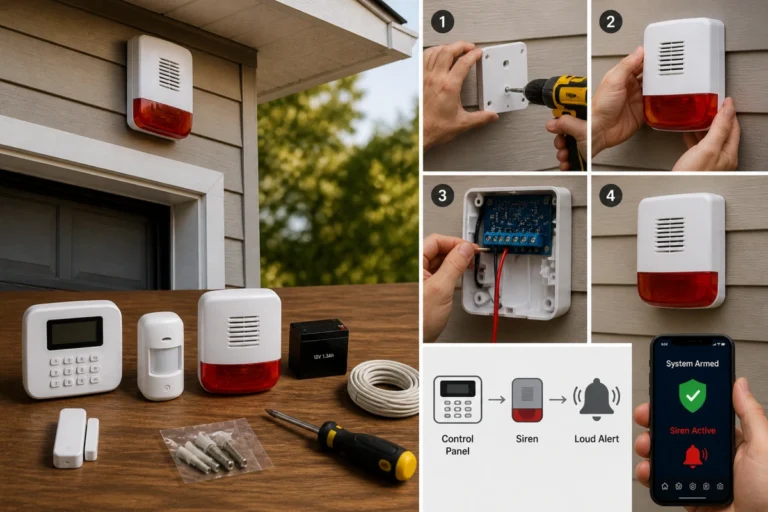
- Complex Installs: You are dealing with cables, routing, drilling, and planning.
- Limited Scalability: Adding a new door sensor later may require significant physical work.
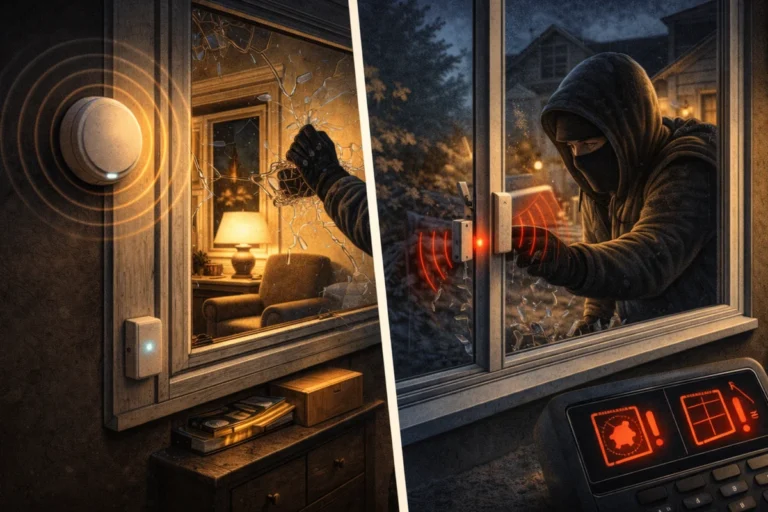
Reliability in this category is rarely about the tech failing; it is about physical damage. For instance, knowing how home burglaries actually happen suggests that if an intruder cuts a visible wire, the sensor is neutralized.
📡 Wireless Sensors: Flexibility That Changed DIY Security
Wireless sensors completely reshaped the DIY market. They made it possible for renters and apartment dwellers to install full systems without running cables through walls. Most modern wireless sensors use low-power radio protocols or Wi-Fi-based communication.
From a usability standpoint, this is where wireless wins easily. You can expand, move, or reconfigure your system without touching your home’s infrastructure. However, you must consider battery problems wireless sensors can introduce if you are not diligent with maintenance.
Many people ask, are wired sensors more reliable than wireless? The answer is often “yes” in a vacuum, but wireless is far more practical for the average homeowner.
Wireless Strengths and Weaknesses
| Strengths | Weaknesses |
| Easy installation | Battery maintenance required |
| Highly flexible | Potential signal interference |
| Ideal for renters | Dependent on network quality |
⚖️ Reliability in Real-World Conditions
When people ask which is the best sensor type home security setups should use, they usually imagine worst-case scenarios. But in normal home environments, both systems are surprisingly stable if installed correctly. Wired sensors rarely fail due to signal issues, but they can be a nightmare if a wire is chewed by a rodent or nicked during other home repairs.
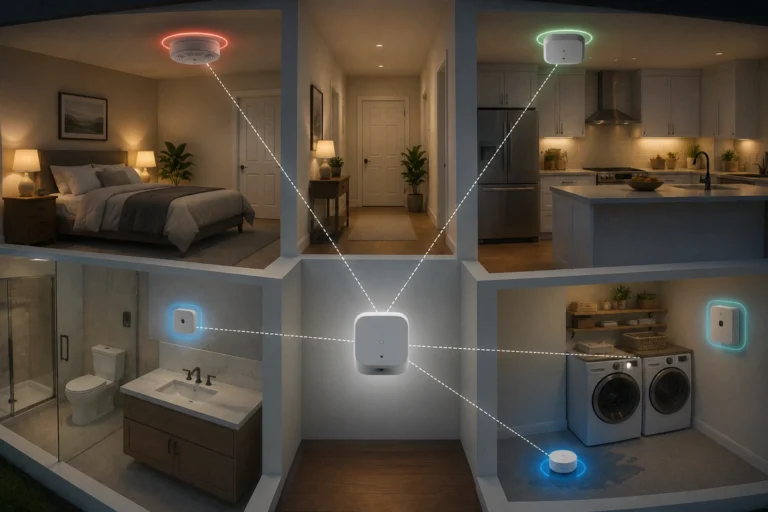
Wireless sensors, on the other hand, rarely fail because of hardware. Instead, issues tend to come from weak batteries or poor placement too far from the hub. Many modern DIY home security systems now use mesh-style communication, where devices help relay signals between each other to reduce dead zones.
Common Reliability Triggers
- Signal Strength: Distances and wall materials affect wireless performance.
- Battery Health: Ignoring low-battery alerts leads to temporary blind spots.
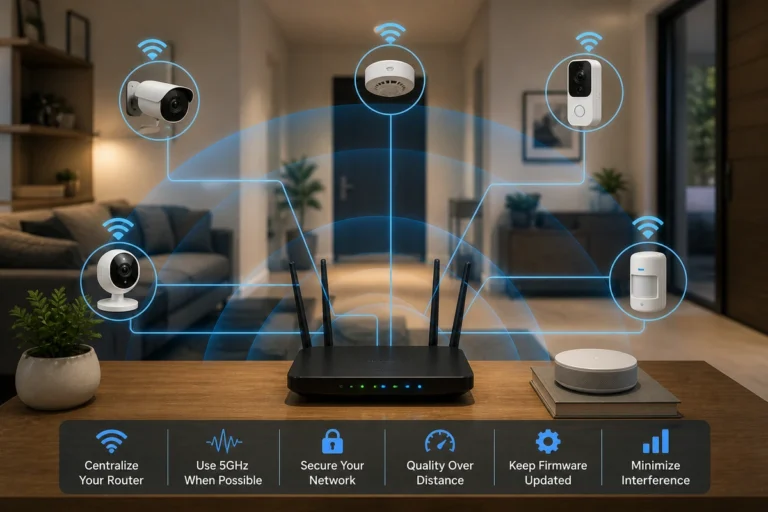
- Network Stability: Wi-Fi-based systems are only as good as your router.
- Interference: Large appliances or neighbor networks can occasionally cause issues.
🏠 Installation Reality: Making the Right Choice
A lot of people choose based on theory instead of living conditions. That is where mistakes happen. If you are in a permanent home and want to reinforce your front door for life, wired sensors are a smart long-term decision.
But if you are looking for the best setups for apartments, wireless is the only practical option. Even in hybrid systems, which are becoming more common, wireless devices often cover doors and windows, while wired components handle central zones or high-def security cameras.
Practical Comparison
- Wired: Best for new construction or major renovations where you can plan infrastructure.
- Wireless: Best for renters or those who want to avoid structural work.
- Hybrid: Balances both for long-term adaptability and redundancy.
🔋 Maintenance Differences You Should Not Underestimate
One of the biggest hidden differences in wired vs wireless sensors is the maintenance style. Wired systems require very little ongoing attention. Once installed correctly, they can run for years without user interaction. This is ideal for those who tend to forget about testing their home security system regularly.
Wireless systems require occasional upkeep. Battery replacement schedules vary, and ignoring them can lead to battery problems wireless sensors are known for. However, most modern apps make this easy with push notifications. Just like using a VPN for digital security, maintaining your wireless hardware is a necessary habit for the modern age.
Maintenance Best Practices
- Regular Testing: Trigger each sensor monthly to ensure it is still talking to the hub.
- Battery Inventory: Keep a pack of CR123A or CR2032 batteries on hand.
- Signal Check: If you move furniture, re-check the signal strength for nearby sensors.
- Firmware Updates: Ensure your wireless hub is always running the latest software to mitigate interference issues wireless sensors might experience.
🧠 So Which Is Actually More Reliable?
If we define reliability as “least likely to fail under ideal conditions,” wired systems still hold a slight edge. But if we define reliability as “consistent performance in real homes with real constraints,” the gap becomes much smaller. Security sensor reliability in the wireless world has improved significantly over the last five years.
Modern wireless systems are no longer fragile or experimental. They are stable, widely adopted, and used in professional-grade setups. When you compare professional vs DIY systems, you will find that even pros are moving toward wireless for most residential door and window triggers.
The Honest Answer
- Wired is mechanically more stable.
- Wireless is operationally more practical.
- Hybrid is the most comprehensive protection against ignored threats.
🧩 Conclusion: The Smarter Way to Think About Sensors
Instead of asking which is more reliable in isolation, think in terms of your environment. If you want something that disappears into your home and stays untouched for years, wired makes sense. If you want something you can build, move, and expand without construction work, wireless is the best sensor type home security offers for your lifestyle.
Most modern DIY security setups end up somewhere in the middle. You might have wired cameras for maximum coverage but wireless contact sensors for your window security. That is not a compromise, it is a smart optimization that balances stability with the realities of modern living.
Regardless of your choice, ensure you have fail-safe planning for power outages to keep your sensors online when it matters most.