🚪Door Jamb Reinforcement: Is It Worth It?

TLDR
- Door jamb reinforcement strengthens entry frames to prevent structural failure during kick-ins.
- Standard strike plates and short factory screws break much faster than homeowners realize.
- Reinforcement kits are inexpensive, highly durable, and work with existing deadbolts.
- Strong deadbolts are useless if the surrounding wooden frame splits open under pressure.
- Reinforcing your entryway frame provides exceptional security value for a low investment.
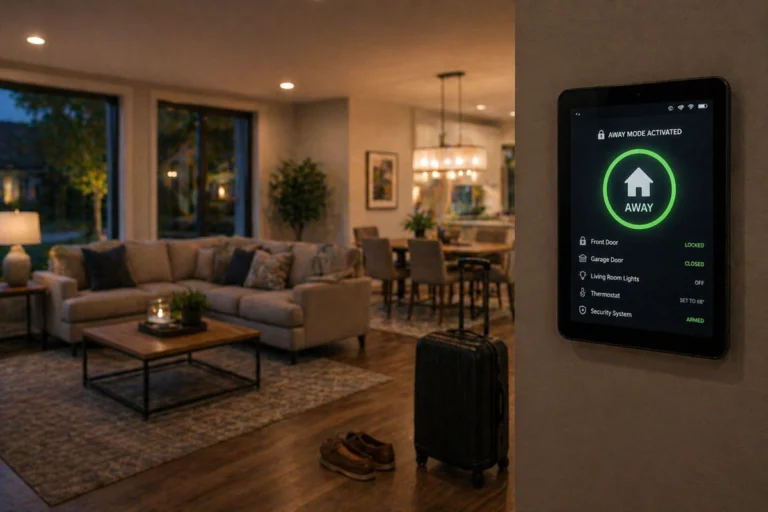
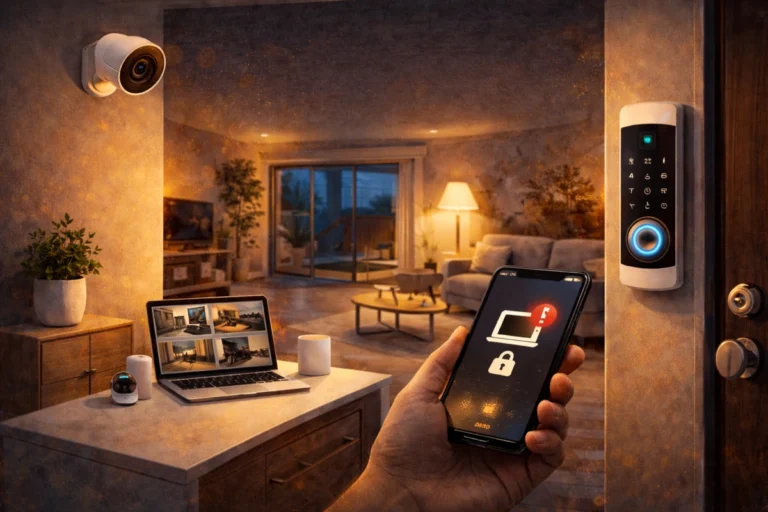
You spend a lot of money on high-tech cameras, wireless alarms, and smart locks. But if your front door frame splits after a single hard kick, all that expensive hardware is instantly bypassed.
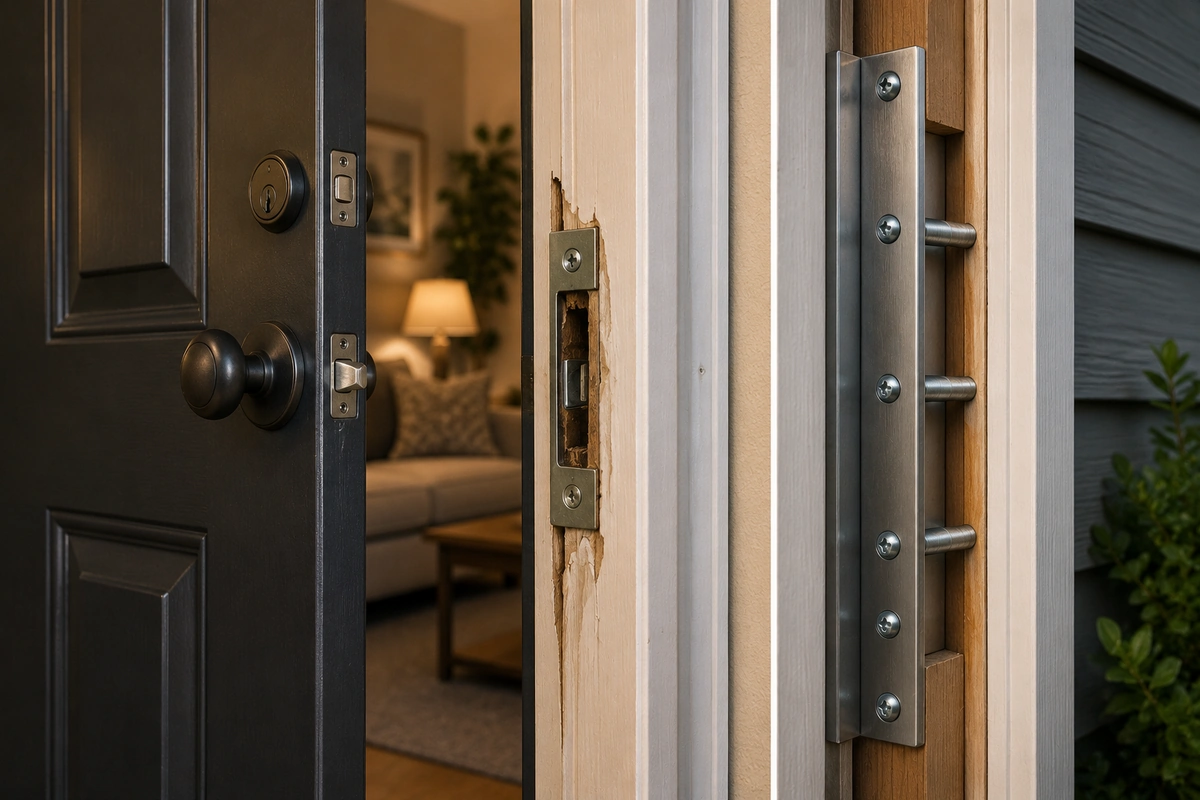
Many residential doors fail at the wooden frame, not at the lock itself. It is a hidden engineering flaw that catches thousands of property owners completely off guard every single year.
Homeowners carefully upgrade to premium commercial deadbolts, mount smart monitoring hubs, and buy video doorbells. Yet the surrounding timber frame still relies on tiny, short factory screws holding thin decorative molding together.
That weak point makes your entire entryway vulnerable. So, is door jamb reinforcement worth it? In almost every real-world scenario, yes. It matters far more than people expect. Let’s look closely at the mechanics to understand exactly why.
🏡 What Exactly Is Door Jamb Reinforcement?
The door jamb is the vertical wooden frame surrounding your door assembly. The critical zone for security is the exact area around your strike plate. This is where your deadbolt bolt extends into the wall to lock the door.
Standard residential builders routinely prioritize speed over property security, leaving homes with weak entry points. When you start assessing your home like a burglar would, you quickly see how flimsy standard entry points really are.
Traditional frames use thin strike plates, short screws, and soft pine wood. Implementing proper door jamb reinforcement means swapping out those flimsy elements for heavy-duty hardware designed to absorb shock.
Structural Frame Upgrades
- Security Plates: Replacing a tiny brass piece with a heavy-duty gauge structural steel security plate.
- Longer Fasteners: Swapping out 1-inch factory screws for 3-inch or 4-inch hardened structural screws.
- Frame Shields: Installing solid steel door jamb shields that wrap entirely around the existing wood.
- Edge Guards: Adding metal reinforcement channels along the edge of the door itself to prevent splitting.
A complete install door reinforcement kit includes extended steel shields, heavy hinge plates, and door edge guards. You do not need to convert your entryway into a bank vault to stay safe. You simply need to eliminate the built-in structural weak points that make traditional doorways vulnerable to basic physical force.
🦵 Why Entry Doors Often Fail During Forced Entry
The lock itself is rarely what breaks during an attack. During forced entry attempts, particularly violent kick-ins, the soft wood surrounding the small strike plate splits apart almost immediately under pressure. Once that localized section of the timber splits open, the deadbolt slips out of place, making the entire locking mechanism useless.
Think of it like mounting an incredibly heavy steel security chain onto soft interior drywall. The chain itself might be strong enough to pull a truck, but the surface holding it can’t handle any real weight. This is precisely why most homes are vulnerable despite having locks installed on their doors.
Expert Security Tip
Structural Load Mechanics: True home security relies on structural balance. A high-quality lock needs a strong frame to anchor into, or else the lock is just a handle. When you choose to reinforce door frame setups with long anchor screws, you link the strike plate directly to the dense 2×4 framing studs hidden deep inside your walls.
If you want to know what makes a home easy to break into, it is almost always a reliance on short factory fasteners. When a builder uses short screws, the strike plate only grips the thin, decorative wooden trim.
A couple of solid hits will snap that soft wood effortlessly. Taking the time to execute a proper door armor installation changes everything, ensuring your entryway can handle heavy impacts without budging.
🔒 Does Door Jamb Reinforcement Actually Improve Security?
The short answer is yes, but it helps to understand realistic goals. No consumer security product offers a 100% guarantee against an incredibly determined intruder with specialized tools. Instead, the real goal is to maximize physical resistance.
Using quality door jamb reinforcement increases the time, mechanical effort, and raw noise needed to breach your entryway. Because most opportunistic criminals rely on speed and stealth, a door that refuses to budge after the first kick quickly changes their plans. You are buying time, and time matters in home security more than people think.
Proactive Delay Advantages
- Strips Away Stealth: Forcing a reinforced steel frame requires loud, repetitive impacts that grab immediate attention from neighbors.
- Buys Vital Time: Giving your family an extra 45 to 60 seconds of structural delay allows your internal home defenses to react properly.
- Triggers Sensor Alerts: The heavy vibrations from a failed kick-in will trigger acoustic glass break sensors or shock sensors before the door gives way.
- Improves Camera Capture: Forcing an intruder to stay stuck at your entryway longer ensures your outdoor cameras capture clear facial details.
Slowing down an attack is the core objective of a layered home security a practical diy framework. When you buy yourself extra time at the perimeter, you give your secondary layers a chance to do their jobs. Those extra seconds give you the buffer you need to handle an emergency safely.
🏠 Which Doors Benefit Most?
Not every single opening in your house carries the same statistical risk of being targeted. When you study how home burglaries actually happen real entry patterns, you find that thieves favor entry points that offer quick access or good cover from the street. To spend your budget wisely, you should prioritize your reinforcement work based on real-world vulnerabilities.
Priority Level Mapping
- Front Doors: The most common entry point for forced break-ins, requiring heavy physical reinforcement.
- Garage Access Doors: The interior door leading from your garage into your house is highly vulnerable if an intruder gains access to the garage layout.
- Back Entry Doors: Rear doors offer excellent visual cover for intruders, making them prime targets for sustained physical attacks.
- Side Entry Doors: Side doors hidden by privacy fences or dense landscaping need extra structural protection to counter the lack of visibility.
Property owners regularly look for ways to protect their home, but they often forget the interior garage door. If an intruder manages to bypass a weak garage door window, they can close the main garage door behind them and work on your interior house door completely out of sight.
Ensuring that interior frame has a full install door reinforcement kit is one of the smartest ways to seal off a hidden vulnerability. If you want to dive deeper into this specific risk area, checking out our guide on how to secure your garage against break-ins will help you lock down the entire space.
🛠️ DIY Installation: Easier Than You Might Expect
The best part about upgrading your structural door hardware is that it is incredibly DIY-friendly. You don’t need to hire a pricey contractor or buy specialized power tools to complete the job.
Unlike complex monitoring systems, physical upgrades are a one-time project. There are no batteries to change, no software updates to run, and no monthly fees. Once the metal plates are anchored into place, they sit there doing their job perfectly for years.
Installation Step Checklist
- Confirm Door Thickness: Make sure the clearance gap between your door edge and the existing frame can fit an extra metal layer.
- Pre-Drill Screw Holes: Always drill pilot holes into your internal wall studs to avoid snapping long screws inside the wood.
- Align the Deadbolt: Double-check that your deadbolt can slide smoothly into the new opening without catching or rubbing.
- Upgrade the Hinges: Don’t just reinforce the lock side; add long screws to the hinge side to keep the door balanced under pressure.
Small mistakes during installation can lead to annoying daily alignment issues, so it pays to take your time and measure carefully. If you are eager to learn how to reinforce your front door without replacing it, setting up heavy-duty strike plates is the absolute best place to start.
For those looking into the exact specifications of strike plates, reviewing independent research on consumer options, like the Consumer Reports door strike plate safety testing, shows just how much structural value you get from a simple hardware swap.
💰 Is It Worth the Cost?
When you start mapping out your property security spending, hardware upgrades offer some of the best return on investment you can find. Most high-quality steel reinforcement plates cost less than a single smart home camera, yet they provide an immediate physical barrier that software simply cannot replicate.
If you are currently designing a home security system on a budget, you should always balance your digital detection tools with physical defense hardware.
Quick Value Comparison
- Door Jamb Plates: One-time low cost, zero monthly fees, offers an immediate physical resistance barrier.
- Smart Camera Networks: Moderate initial hardware cost, occasional subscription fees, offers visual awareness and evidence collection.
- Monitored Alarms: Variable equipment costs, mandatory monthly service fees, offers remote emergency dispatch.
- Motion Lighting: Low upfront cost, minimal maintenance, offers basic night-time deterrence.
Relying entirely on digital alerts without building strong physical barriers is one of the the most common security mistakes homeowners make. A camera can record an incident, but it won’t stop an intruder from kicking your door open in seconds.
Investing in a proper security strike plate upgrade benefits your home by physically stopping threats at the door. It gives your digital alert systems the time they need to send notifications and call for help.
⚠️ Common Mistakes People Make
It is surprisingly easy for homeowners to accidentally ruin the effectiveness of their new hardware by cutting corners during installation. If you want to know how to strengthen door frame security correctly, you need to treat the entire entryway as an interconnected system.
Mistakes to Avoid
- Only Upgrading the Deadbolt: A premium lock paired with weak factory framing still leaves your door incredibly vulnerable to kick-ins.
- Ignoring Overall Door Condition: If the door itself is damaged, warped, or a hollow-core unit, frame reinforcement offers limited value.
- Skipping Hinge Screws: Failing to place long screws into the hinge side leaves the door unbalanced under heavy pressure.
- Reinforcing Only One Entryway: Burglars rarely care which door was supposed to be secure and will quickly hunt for an easier side entrance.
Overlooking these small details is a major reason why many DIY security upgrades fail when put to the test. If you want to avoid these issues, taking a moment to study common diy home security failures and how to avoid them will ensure your hardware performs perfectly when you need it most.
👨👩👧👦 Renters: Is This Still an Option?
If you are currently renting an apartment or townhouse, you might assume you are stuck with whatever cheap hardware your landlord installed. However, you can still make meaningful improvements to your security without violating your lease terms or losing your security deposit.
Before spending money on gear, it helps to understand diy home security for renters what you can and cant do within a standard rental agreement.
Rental Hardware Adjustments
Reversible Security Strategy: If you rent, you can often swap out the short factory strike plate screws for 3-inch alternatives without making any visible changes to the frame. When it’s time to move out, simply replace the original screws. Your landlord will never notice the change, and you get a much stronger door while you live there.
If your lease allows for small alterations, you can look into portable security bars or heavy-duty strike plates to build a minimalist home security setups that actually work without modifying the property. Taking these simple steps ensures you don’t have to sacrifice physical safety just because you don’t own the property.
🌙 Door Reinforcement Works Best With Layers
To build a truly reliable home defense plan, you shouldn’t rely on any single piece of hardware to do all the heavy lifting. Heavy-duty door jamb reinforcement works best when it serves as the foundation for an all-around safety setup.
You want to design an environment that creates friction, visibility, and delay for anyone targeting your home. Combining physical barriers with digital detection tools is the best way to keep your perimeter secure.
Essential Defense Layers
- Smart Access Control: Pairing heavy-duty steel strike plates with a modern electronic lock gives you both physical strength and convenience. You can read our are smart locks safe a practical security analysis to see how these tools match up against traditional setups.
- Perimeter Visual Feeds: Mounting outdoor cameras ensures you get instant mobile notifications the second someone steps onto your property.
- Strategic Lighting Setup: Using motion-activated floodlights removes dark spots and hiding spaces around your entryways.
- Entryway Sensor Alarms: Adding contact sensors onto your doors ensures your alarm system triggers the moment an entry attempt begins.
Read More
If you are ready to start building your property defense plan but aren’t sure where to begin, take a look at our guide on diy home security where to start. It will help you spot vulnerabilities on your property and fix them efficiently.
🏁 Conclusion
So, is door jamb reinforcement worth it? For the vast majority of homes, the answer is absolutely. Most residential doors fail at the wooden frame long before the deadbolt itself breaks. Upgrading your frame hardware addresses this structural vulnerability without requiring expensive monthly fees, complex wiring, or constant software updates.
No single security upgrade can make a home completely impossible to enter. That isn’t a realistic goal. The real objective is to make forced entry slow, loud, and incredibly frustrating.
For a quick weekend DIY project, installing a steel reinforcement shield checks every single box. Sometimes the most effective home security improvements aren’t the flashiest ones; they are the simple steel plates hidden right inside your door frame.