📺Do Fake TV Lights and Sound Devices Work for Security?

TL/DR
- Fake TV lights and sound simulators can help create the appearance that someone is home, which may discourage some opportunistic criminals.
- These devices work best as part of a layered security strategy, not as standalone protection.
- Modern burglars are often more likely to be deterred by visible cameras, alarms, strong locks, and smart lighting systems.
- Realistic timing and varied activity patterns are far more effective than repetitive schedules.
- If you are using occupancy simulators, combine them with other security measures for the best results.
If you have ever left home for a weekend and worried about an empty house sitting in the dark, you have probably come across products that promise a simple solution. Plug in a fake TV light, activate a sound simulator, and your home suddenly appears occupied to anyone watching from the street.
It is an incredibly appealing idea. After all, most burglars would rather avoid homes where someone might be present and ready to call the authorities. But do these occupancy simulator gadgets actually improve your overall property security, or are they just clever, low-cost novelties that make homeowners feel better while they are out of town?
The answer falls somewhere in the middle. Fake TV lights and sound devices can contribute to home security, but their actual effectiveness depends heavily on how they are used and what other protective measures are already in place. Let us take a practical look at the real risks, advantages, and best ways to deploy these simulation units safely.
💡 Why Occupancy Matters to Burglars
One of the most consistent findings in crime prevention research is that burglars prefer easy targets. A home that appears completely vacant is vastly more attractive because it significantly reduces the risk of confrontation or immediate detection.
Security professionals and law enforcement agencies frequently recommend making a property appear occupied when you are away. Interior lights on timers, visible activity, and signs of normal household routines can all contribute to that impression, changing how an opportunist views your home.
Quick Signs of Real Occupancy
- With Realistic Lighting Schedules: Interior lights turning on at realistic times rather than sitting in complete darkness or staying on 24/7.
- Driveway Presence: Vehicles parked in the driveway or regular activity near the main entrance.
- Maintained Exteriors: Regularly cut lawns, shoveled walkways, and clean entryways free of debris.
- Package Management: Collected mail and packages that do not pile up on the front porch over several days.
- Dynamic Illumination: Visible movement, flickering television glows, or shifting shadows inside the home after dusk.
- Varied Daily Routines: Activity patterns that change naturally throughout the week instead of following a rigid, unchanging loop.
The goal here is not to create an absolutely perfect, flawless illusion. It is simply to make your home look less predictable and less obviously empty to someone scouting the neighborhood. If you want to know how your property measures up from an outsider’s perspective, learning how to go about assessing your home like a burglar would can help you spot hidden tells before you pack your bags.
📺 How Fake TV Light Devices Work
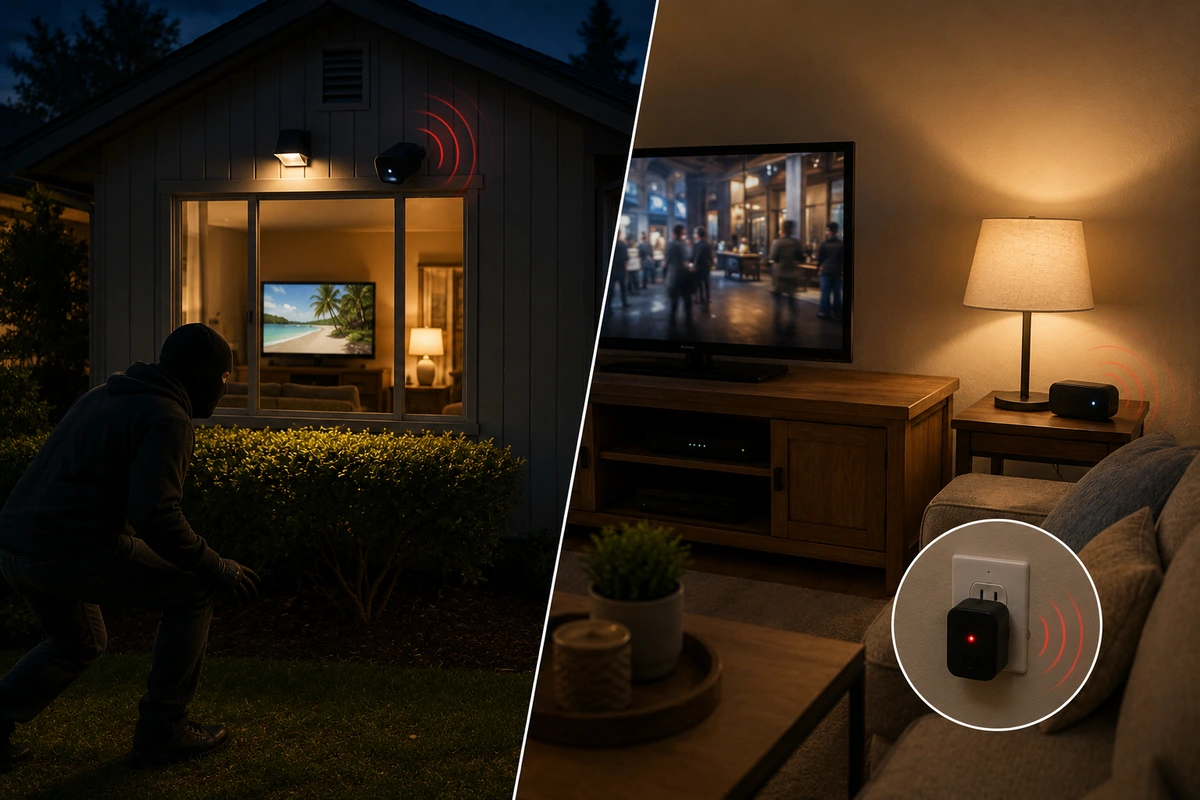
A fake TV light security device uses specialized multi-colored LEDs to project changing patterns of light that resemble a real television screen playing in an enclosed room. Instead of producing a steady, unchanging glow like a standard table lamp, these compact units cycle through varying colors, fade sequences, and sharp brightness levels.
From outside a home, especially when viewed through semi-translucent curtains or closed window blinds, the visual effect can look surprisingly convincing.
From across the street, these units genuinely resemble a television being watched in a living room or master bedroom. Up close, the illusion becomes less convincing, but that is not really the point since most opportunists are not standing directly against your window pane trying to inspect the source.
Primary Benefits of a TV Simulator Security Unit
| Operational Feature | Practical Benefit | Why It Helps Your Property |
| Low Power Consumption | High energy efficiency | Uses much less electricity than running a real 55-inch television continuously |
| Simple Installation | Plug-and-play setup | Requires no complex wiring or specialized smart home hub configurations |
| Affordable Pricing | Low upfront investment | Costs significantly less than deploying comprehensive hardwired alarm networks |
| Automatic Scheduling | Built-in light sensors | Can operate automatically as soon as dusk falls while you are away |
| Creates Visible Activity | Dynamic illumination | Suggests someone is actively relaxing in that specific room |
The strongest benefit is that the best fake TV light devices generate a dynamic, moving light pattern rather than a single light source left on continuously. Left on all night, a standard bulb becomes a clear tell that no one is home, which is one of the home security threats most people ignore when setting up their property defenses.
Expert Security Tip
Positioning is Everything: Never place your simulator device where the tiny plastic unit itself can be seen directly from the street. Position it low on the floor or behind a piece of furniture, aiming the LED array directly at a white wall or a set of light-colored curtains to maximize the diffused flickering effect.
🔊 What About Sound Simulation Devices?
Sound simulators take a completely different approach to property defense. Instead of projecting visual activity through a window, they create localized audio patterns that suggest someone is moving around inside the home.
Some devices play television audio, radio broadcasts, casual human conversations, music, or territorial barking dogs. Advanced models utilize built-in microphones or radar sensors to activate these audio files only when someone approaches the immediate perimeter.
Common Sound Effects Used in Audio Simulators
- Television Audio: Simulated dialogue, laugh tracks, and dramatic movie sound effects.
- Radio Broadcasts: Continuous talk radio or music playlists to mimic daytime occupancy.
- General Household Sounds: Clattering dishes, footsteps, and closing doors to simulate movement.
- Barking Dogs: Large breed warning barks meant to startle anyone stepping onto the porch.
- Human Conversation: Muffled recordings of multiple people talking in a common room.
The main challenge with a sound simulator home security setup is maintaining realistic playback. Poor-quality recordings that repeat on a short, predictable loop can quickly give away the illusion.
If a dog barks with the exact same pitch and timing every few minutes, an observer will quickly realize it is a recording. That is why sound simulation tends to be much more effective when paired with visible signs of presence.
Read More
If you are considering adding audio elements to your setup, it helps to understand how they fit into a broader hardware layout. Taking a moment to read our breakdown on motion sensors vs contact sensors what you actually need will show you how to choose the right sensory triggers to back up your audio devices.
🏠 When Fake TV Lights Actually Help
A fake TV light security setup tends to be most useful during short-term absences rather than extended vacations. If you are away overnight, spending a weekend elsewhere, or out of the house for an evening, a realistic lighting pattern can help maintain the appearance of normal activity.
Using these tools during brief gaps in occupancy is a great way to handle what diy home security actually protects against, helping you deter casual prowlers who are looking for an obviously empty house to target quickly.
Best Situations for TV Simulators
- Weekend Trips: Keeping the main living room looking active from Friday through Sunday evening.
- Evening Absences: Covering the vulnerable hours between sunset and when you normally return home from work or dinner.
- Vacation Homes: Providing occasional signs of activity in properties that sit empty for parts of the year.
- Seasonal Properties: Creating an unpredictable look during the off-season months.
- Rental Properties: Simulating occupancy between guest stays so the building never looks abandoned.
In these specific situations, a simulated television effect can be one small piece of a broader property plan. However, it is vital to remember that an occupancy simulator effectiveness rating drops sharply if it is treated as a complete standalone security system.
🚫 Where These Devices Fall Short
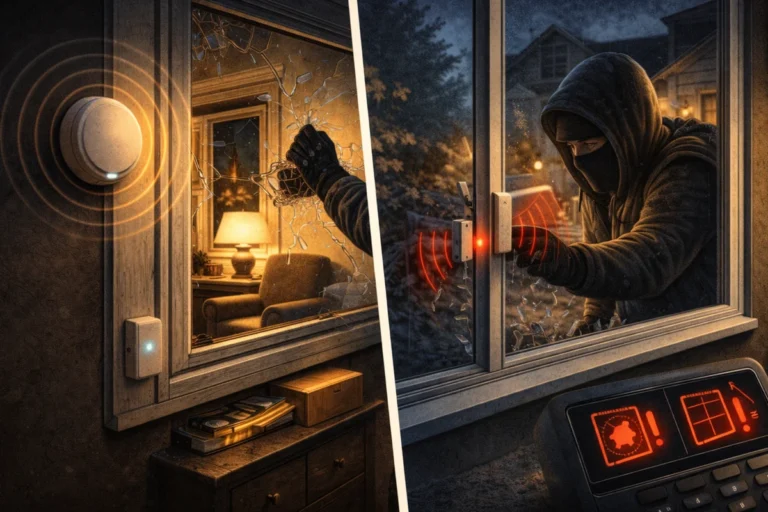
This is where marketing promises and real-world performance sometimes part ways. Occupancy simulators excel at creating a surface-level appearance of activity, but they do not physically prevent entry, detect active intrusions, record video evidence, or notify emergency services.
If an intruder decides to test your doors despite the flickering lights, a simulator offers zero physical resistance. This reality highlights why most homes are vulnerable despite having locks, especially if homeowners focus on visual gadgets while ignoring structural entry points.
What Simulation Gadgets Cannot Accomplish
- Lock Entryways: They cannot secure deadbolts, latch windows, or close open garage portals.
- Trigger Alarms: They lack the internal circuitry to sound sirens or alert monitoring centers during a breach.
- Record Video: They do not capture forensic evidence, store clips, or log facial data.
- Contact Services: They cannot communicate with local police departments or property owners during an emergency.
- Detect Intrusions: They do not know if a window has been shattered or an entryway opened.
- Protect Valuables: They cannot stop an intruder from accessing unsecured items once inside the perimeter.
Because of these limitations, security professionals view these products as simple deterrents rather than actual physical security systems. They are a helpful supporting element, but they should never be the star of your property defense strategy.
🕒 Timing Matters More Than Most People Realize
One of the most common mistakes homeowners make when deploying simulation gear is relying on highly predictable, rigid timers. For example, setting a device to turn on at exactly 6:00 PM and shut off at exactly 10:00 PM every single day creates a pattern that is easy to spot. Human behavior is rarely that precise.
According to a security bulletin from Avon and Somerset Police, using random variations in your home lighting schedules is a much more effective way to simulate authentic occupancy. A realistic pattern that mimics your actual daily habits is always more convincing to an outside observer than a perfectly timed schedule.
Better Occupancy Simulation Habits
- Vary Activation Times: Use timers that feature built-in randomization to shift your start and end times by 15 to 30 minutes each day.
- Deploy Across Multiple Rooms: Set up devices in different parts of the house so the illumination moves naturally from the kitchen to the living room and finally the bedroom.
- Combine Visuals and Audio: Match your lighting effects with a low-volume radio or sound simulator to create a multi-sensory illusion.
- Change Patterns Weekly: Alter your settings so your weekday schedules look distinctly different from your weekend timing.
- Mimic True Routines: Set your simulators to run during the exact hours you would normally be awake and watching television when home.
Avoid treating these settings as a one-time configuration. If you want to know if your system is creating a believable story, testing your home security system regularly ensures all your timers, sensors, and lighting layers are working together properly.
🔦 Smart Lighting Often Outperforms Fake TV Devices
If you are building a modern DIY security system today, smart automated lighting networks often provide much greater flexibility than standalone simulation gadgets. Instead of mimicking television activity in just one room, smart bulbs allow you to coordinate believable movement throughout your entire home.
According to an industry review by SafeHome.org, smart lighting systems serve as an excellent burglary deterrent because they let homeowners manage their property’s appearance remotely and create complex, multi-room occupancy schedules. This makes smart lighting an incredibly flexible tool for modern property protection.
Smart Lighting vs Standalone Fake TV Lights
| Operational Capability | Standalone Simulation Device | Integrated Smart Lighting System |
| Simulates Occupancy | Yes, creates a distinct television flicker effect | Yes, controls standard overhead and accent lamps |
| Multi-Room Control | No, confined to a single electrical outlet | Yes, links bulbs across your entire floor plan |
| Remote Management | No, operates entirely on local sensors | Yes, updates instantly via cloud smartphone apps |
| Custom Scheduling | Limited to basic dusk-to-dawn sensors | Extensive, allows for precise randomization loops |
| System Integration | Rare, functions as an isolated unit | Common, connects with cameras and motion triggers |
Smart bulbs do not have to completely replace your favorite TV simulator. In fact, many homeowners choose to plug their simulation units into smart plugs, allowing them to integrate the television effect directly into their broader automation schedules.
This blended approach gives you the best of both worlds: the realistic flicker of a television combined with the powerful scheduling capabilities of a modern smart network. If you are building out your system on a strict budget, exploring best budget home alarm systems will help you find affordable smart components that tie into your lighting strategy.
🛡️ Building a Layered Security Strategy
The strongest home security systems rarely depend on a single deterrent. Instead, they utilize multiple, overlapping defensive layers that work together to make your home a difficult target.
An occupancy simulator becomes significantly more valuable when it supports a strong foundation of physical and electronic security measures. When a prowler encounters a home that shows signs of occupancy, visible cameras, solid locks, and outdoor lighting, they are much more likely to move on to an easier target.
Effective DIY Security Layers
- High-Quality Locks: Upgrading to heavy-duty deadbolts to provide a strong physical barrier at your main entry points.
- Reinforced Entryways: Installing extended strike plate screws to keep your door frames from splitting under pressure.
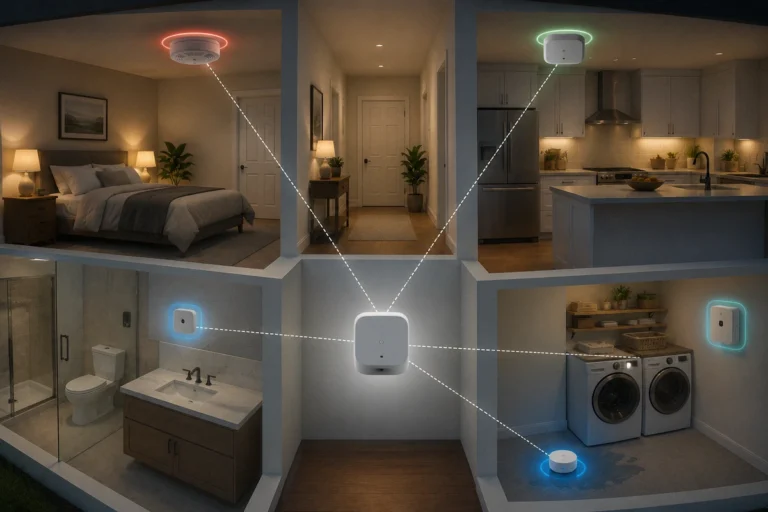
- Smart Lighting Networks: Using automated bulbs to manage your home’s appearance from anywhere in the world.
- Exterior Security Cameras: Placing cameras near vulnerable paths to spot activity before someone reaches your door.
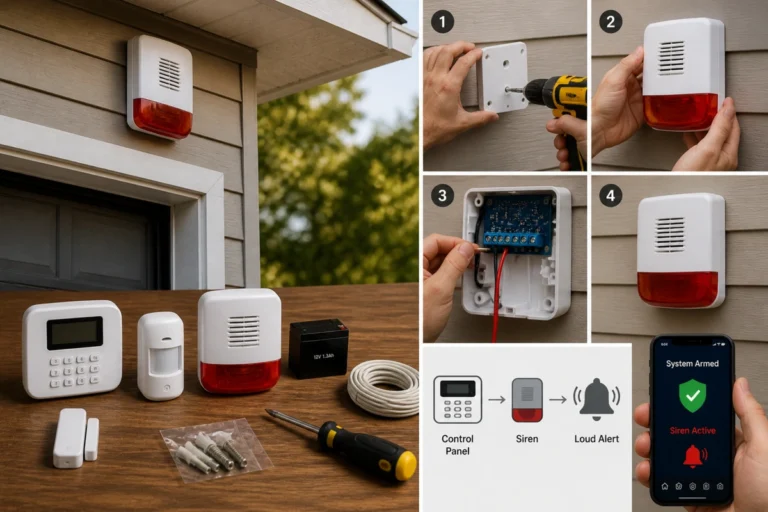
- Local Alarm Systems: Deploying loud internal sirens to immediately disrupt an intrusion attempt.
- Video Doorbells: Monitoring your front porch and interacting with delivery drivers remotely to confirm activity.
- Occupancy Simulators: Using fake lights and audio tools to create a realistic impression of presence.
- Clear Property Visibility: Trimming back overgrown bushes to eliminate convenient hiding spots around your windows.
Combining these elements creates a balanced system where each piece covers the weaknesses of another. If you want to build a resilient, redundant system without overspending, our guide on how to build redundancy into a diy security setup offers a practical blueprint for linking these layers together.
🚪 Are Sound Devices Worth Buying?
For the vast majority of property owners, sound simulators are generally less compelling than lighting-based solutions. While audio can work as a deterrent under the right conditions, making an acoustic illusion truly convincing from the outside is often difficult.
A loud, unexpected barking dog recording might startle an opportunistic prowler on your porch, but a repetitive audio loop can quickly have the opposite effect if a neighbor or passerby notices the pattern. Additionally, loud audio simulations can easily annoy your neighbors if the volume levels are not carefully managed.
Key Questions to Ask Before Buying an Audio Simulator
- Does it feature varied playback patterns? Avoid units that rely on a single, short audio file that loops predictably.
- Is the volume easily adjustable? You need enough volume to be heard through a door, but not so much that it disrupts the neighborhood.
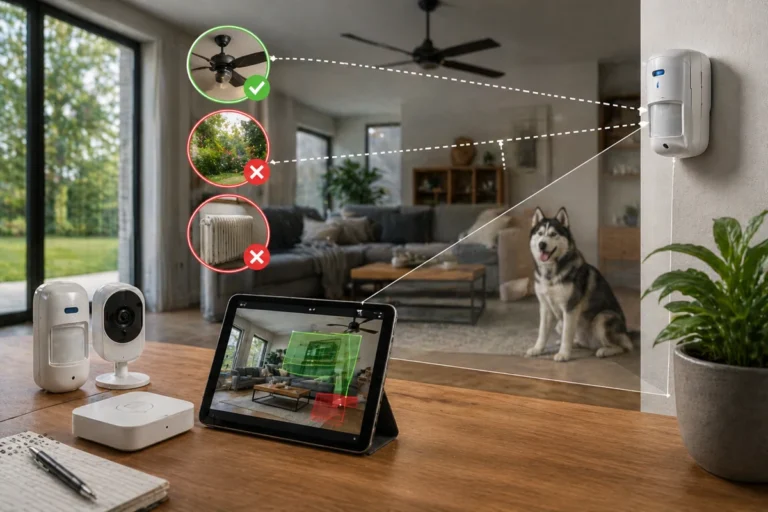
- Does it integrate with motion detection? Look for models that trigger based on nearby movement rather than playing continuously.
- Can it connect with other smart devices? See if the unit can link with your existing smart home network or alarm system.
- Will it be used alongside other security layers? Ensure you have strong locks and cameras in place to back up the audio illusion.
If you can answer yes to most of these questions, a high-quality audio unit can be a helpful addition to your setup. If you are managing your system on a budget, checking out our guide on designing a home security system on a budget will help you balance your spending between physical security and simulation gadgets.
✅ Conclusion
So, do fake TV lights and sound devices actually work for security? To a degree, yes. They are effective at creating the surface-level appearance that someone is home, which can discourage opportunistic criminals who are looking for an easy, empty target. That benefit alone makes them a worthwhile, affordable option for short weekend trips or managing vacant properties.
However, these gadgets should never be viewed as a complete, standalone security solution. Their real value comes from supporting a solid foundation of physical and electronic protection, such as high-quality deadbolts, reliable alarm networks, exterior cameras, and smart lighting habits.
When budgeting for home defense, always focus on the physical fundamentals first. Once your doors are reinforced and your core system is in place, adding a quality occupancy simulator is a fantastic, low-cost way to make your home look active and unpredictable.
Ultimately, fake TV lights work best when they help tell a believable story, backed up by real security measures that keep your property safe through every season.