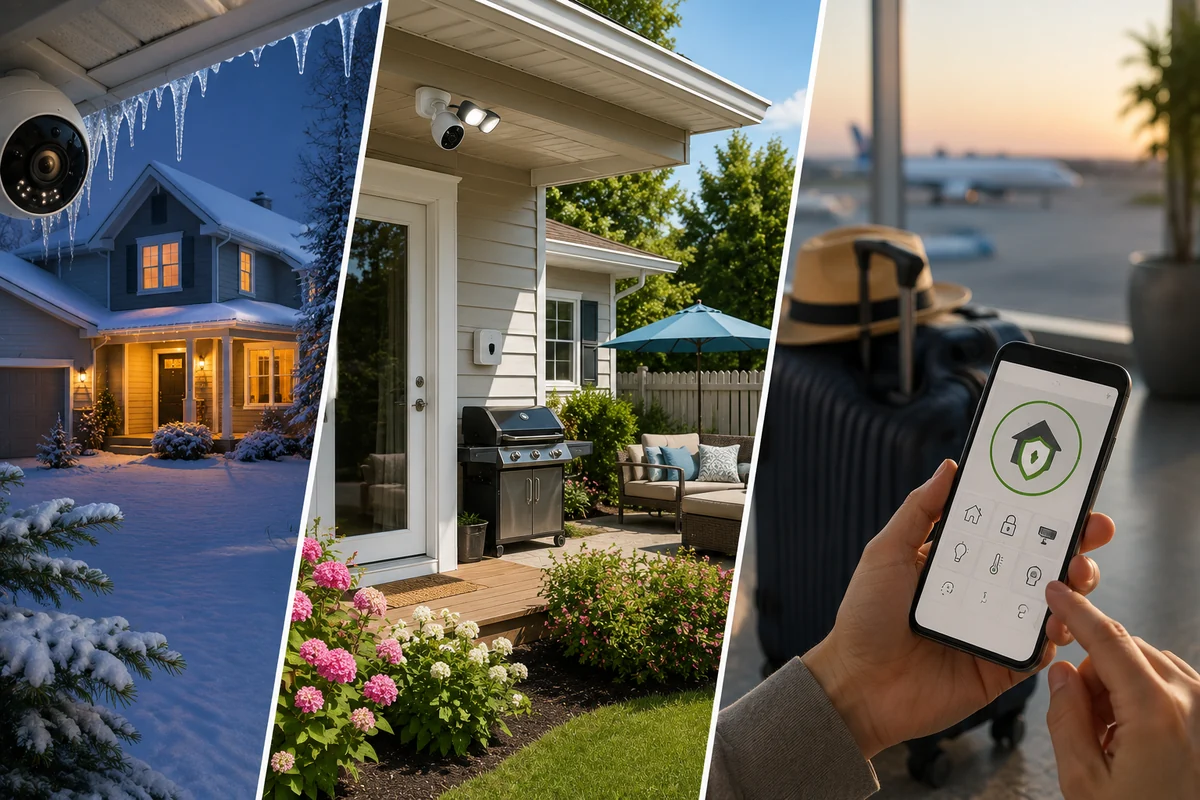
🗓️The Ultimate Blueprint for Seasonal Home Security

TL/DR
- Adjust your home security strategy throughout the year instead of relying on a one-time setup.
- Winter brings longer nights and visibility challenges, making lighting and entry point security especially important.
- Summer often means open windows, backyard activity, and more time away from home, creating different vulnerabilities.
- Travel periods require extra precautions such as smart lighting schedules, package management, and remote monitoring.
- A simple seasonal checklist can help you maintain strong security without spending a fortune or adding complexity.
Many property owners install a residential alarm setup and mistakenly assume the job is finished for good. In reality, safeguarding your property functions a lot like routine home maintenance. Property vulnerabilities fluctuate significantly throughout the year, meaning your defensive habits must evolve right alongside the changing weather patterns.
One major pattern discovered while evaluating a wide variety of equipment configurations over the years is that the most reliable setups are rarely the most expensive options on the market.
Instead, they are the systems that get actively tailored as environmental factors shift. Understanding how environmental conditions impact your property allows you to maintain an optimized protective perimeter year round.
🏡 Why Seasonal Security Matters
The core reasoning behind implementing dynamic seasonal security precautions comes down to predictable human behavior and environmental shifts. Winter brings extended hours of total pitch darkness, whereas summer introduces open windows, constant backyard gatherings, and long family vacations.
Travel seasons present unique structural vulnerabilities because an empty house naturally attracts a completely different level of criminal attention than a fully occupied property.
When you configure a basic framework, it is easy to assume your property is fully protected. However, if you fail to modify your settings as the seasons cycle, you run the risk of exposing overlooked vulnerabilities.
Reviewing historical entry patterns during residential property breaches highlights why a single, rigid protective layout is rarely sufficient to handle year-round environmental shifts.
Read More
If you are currently wondering where to begin with a new hardware installation, it helps to understand the baseline steps of property protection before diving into complex seasonal configurations.
Taking a moment to read our comprehensive guide on diy home security where to start will provide you with a rock-solid foundation for building out your customized residential safety network.
Overview of Changing Seasonal Vulnerabilities
- Winter Season: Extended hours of darkness combined with extreme sub-zero temperatures that place heavy structural strain on external electronic battery cells.
- Summer Season: Unlocked ground-level entryways, unmonitored garage doors, and structural sightlines blocked by rapidly growing exterior lawn landscaping.
- Travel Windows: Extended periods where the property sits completely empty, creating obvious, visible patterns of non-occupancy that invite opportunistic scouting.
Adjusting your daily operational habits based on these common environmental shifts ensures your home remains a difficult target. Proactively addressing these specific seasonal home security tips helps eliminate the unexpected gaps that occur when a security system is simply left on autopilot.
❄️ Winter Home Security Checklist: Defending Long Nights
When winter arrives, it completely transforms the immediate physical environment surrounding your property. Total darkness blankets your neighborhood much earlier in the evening, severe winter weather patterns can rapidly degrade camera visibility, and holiday travel often leaves properties unattended for days at a time.
A residential property that feels completely secure during the bright afternoons of July can easily display clear structural vulnerabilities by the time December arrives.
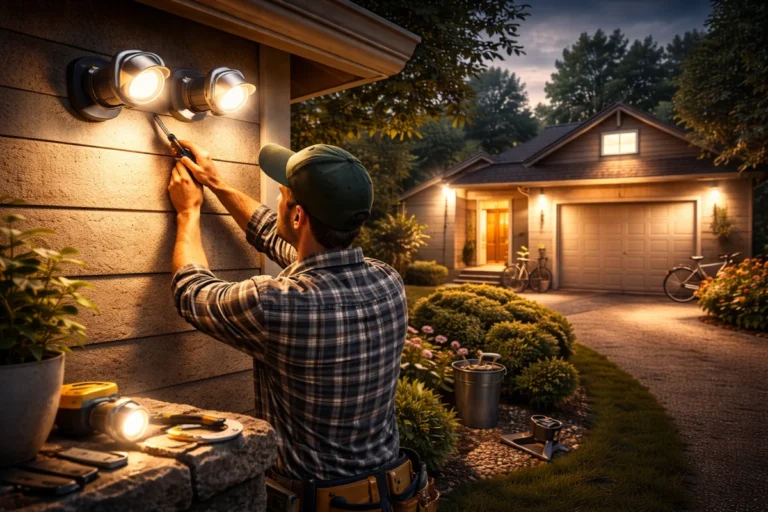
One of the most cost-effective upgrades you can implement during the colder months is expanding your external lighting coverage.
Positioning high-output, motion-activated floodlights around dark side pathways, main driveways, and rear entryways dramatically reduces blind spots. This improves your own visibility when walking outside while removing convenient patches of shadow around your perimeter.
Essential Winter Maintenance Tasks
- Inspect External Luminance: Physically clean all exterior motion lighting fixtures and replace any flickering bulbs before freezing temperatures arrive.
- Assess Power Status: Verify the exact capacity of your wireless sensors, as prolonged sub-zero conditions dramatically reduce overall battery life.
- Clear Equipment Sightlines: Regularly brush away heavy snow accumulations, ice sheets, and frost layers from your exterior camera lenses.
- Audit Locking Mechanisms: Confirm that your primary entry deadbolts slide smoothly into their strikes without binding when door frames contract from the cold.
[Early Winter Sunset] ---> [Shadows Expand Around Perimeter] ---> [Motion Floodlights Activate] ---> [Blind Spots Eliminated]It is also important to pay close attention to changing property sightlines. Heavy snowbanks, large holiday lawn decorations, and overgrown evergreen branches can easily create fresh hiding spots that did not exist during the spring.
If you want to know how your property measures up during the dark winter months, learning how to go about assessing your home like a burglar would can help you spot hidden blind spots across your winter home security checklist before an opportunist does.
☀️ Summer Home Security Tips: Avoiding Warm Weather Blind Spots
The arrival of summer completely changes how households interact with their properties on a daily basis. Rear patio doors are frequently left unlatched for back-and-forth access, windows are opened wide to let fresh air circulate, and family members spend hours relaxing out in the backyard.
While these habits are wonderful for enjoying the beautiful weather, they can inadvertently create easy opportunities for unauthorized access if your security habits get lazy.
One incredibly common mistake is assuming that an open second-story window is completely inaccessible from the ground. In reality, a determined individual can easily scale a sturdy backyard privacy fence, use an unlocked storage shed as a stepping stool, or climb a nearby tree to access an unlatched upper window.
Treating every single open window as an active perimeter opening is a crucial component of effective summer home security tips.
Primary Summer Vulnerabilities and Solutions
| Common Summer Blind Spot | Root Behavioral Cause | Recommended DIY Defensive Action |
| Open Upper-Level Windows | Leaving sashes open for ventilation during hot nights | Install heavy-duty window vent locks to restrict opening distance |
| Unattended Garage Openings | Leaving overhead doors up during outdoor lawn projects | Program automated close alerts via smart garage sensors |
| Unlatched Side Gates | Frequent backyard foot traffic from friends and guests | Install self-closing gate springs and heavy-duty padlocks |
| Scattered Yard Tools | Leaving tall extension ladders out on the grass after chores | Lock all ladders and hand tools securely inside a fortified shed |
Garages deserve extra defensive attention during the peak of summer. Many people leave their main overhead garage doors wide open while mowing the lawn or working on weekend projects, completely losing track of who is walking up the driveway.
If your garage features a direct interior pass-through door leading straight into your main living space, treat that entry point with the exact same level of caution as your front door.
Expert Security Tip
Landscaping Control: Rapid summer plant growth can quickly block the field of view on your exterior security cameras. Be sure to check your live feeds every few weeks and trim back any runaway branches to maintain clear sightlines.
Taking a few minutes to manage your greenery ensures your property avoids the structural blind spots that make certain properties look incredibly easy to break into from the street.
✈️ Travel Home Security Checklist: Protecting an Empty Property
Embarking on extended travel presents a distinct defensive challenge because an empty home faces a completely different set of risks than an occupied one. Fortunately, using modern hardware makes checking in on your property from afar incredibly straightforward.
When configuring a travel home security checklist, your primary objective should not be trying to build an impenetrable fortress. Instead, focus on eliminating the obvious visual tells that broadcast your absence to the entire neighborhood.
Pre-Departure Security Checklist
- Arm the Core System: Double-check that your entire alarm panel network is fully armed in “Away” mode before heading to the airport.
- Audit Notification Pipelines: Run a complete diagnostic test to ensure push alerts route correctly to your smartphone while on cellular data.
- Manage Inbound Logistics: Pause all regular postal mail delivery and residential package drops so boxes do not pile up on your front porch.
- Confirm Power Reserves: Connect vital hubs to a dedicated backup power solution for home security systems to keep your network running smoothly through unexpected power drops.
- Test Remote Entry Portals: Verify that you can easily view live video streams and manage access permissions through your smartphone app.
Strategic lighting control remains one of your most effective deterrents when securing a home during holidays. Rather than leaving a porch light turned on continuously for two weeks straight, utilize automated smart lighting schedules. Programming your interior lamps to turn on and off at random times throughout the evening creates a natural-looking pattern of daily occupancy.
[Smart Lighting Schedule Triggered] ---> [Living Room Illuminates at 7:15 PM] ---> [Swaps to Bedroom at 10:30 PM] ---> [Simulates Natural Activity]When you are away from home for an extended vacation, it is a good idea to monitor environmental threats alongside standard physical security concerns. Integrating automated water leak sensors, cloud-connected smoke detectors, and remote temperature alerts into your central ecosystem provides comprehensive protection.
Taking a proactive approach to environmental monitoring ensures you do not return home to find a ruptured pipe has flooded your lower level.
📱 Smart Home Features That Help Year-Round
While adjusting your habits for changing weather patterns is essential, certain smart features provide valuable protection no matter the season. Modern wireless networks allow you to tie multiple layers of property defense into a single, intuitive smartphone application.
This centralized control makes it significantly easier to maintain smart habits, preventing you from making the most common security mistakes homeowners make during busy times of the year.
The absolute best home defense layout is rarely the most complicated or expensive option available. Instead, it is a thoughtful collection of durable devices that communicate reliably and fit naturally into your family’s daily routine.
According to industry research on property protection, homes using a visible security system experience significantly fewer property breaches on average than unprotected properties.
Useful Year-Round Hardware Components
- Contact Entry Sensors: Track the open or closed status of your primary doors and ground-floor windows.
- Motion Detectors: Provide a reliable secondary layer of indoor protection if an exterior barrier is breached.
- Smart Door Locks: Allow you to verify lock status remotely and completely eliminate the need for hidden spare keys.
- Video Doorbells: Provide an easy way to screen delivery drivers and communicate with visitors from anywhere in the world.
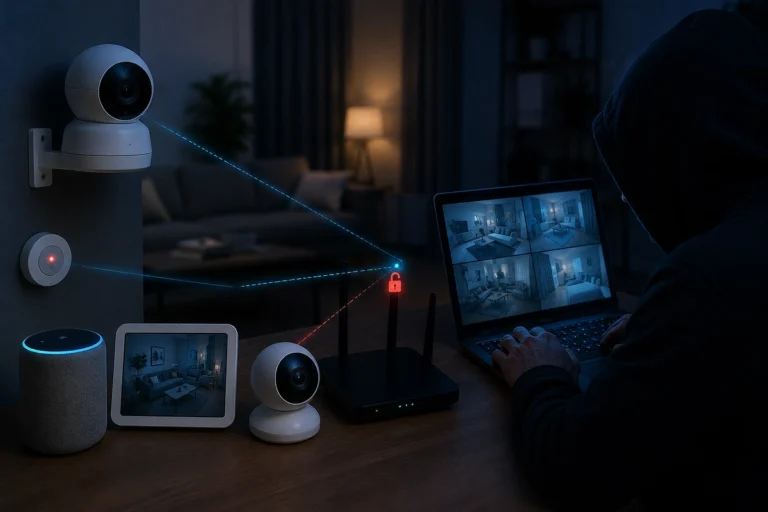
When selecting new equipment, prioritize stability and reliable data encryption over flashy, unproven features. According to federal warnings regarding smart home data infrastructure, poorly secured consumer hardware can inadvertently expose your home network to digital risks if left unpatched.
Choosing reputable equipment providers and maintaining updated firmware will keep your system safe from digital threats while providing continuous, year-round property protection.
🔒 Building a Seasonal Security Routine
The easiest way to prevent your security maintenance from slipping through the cracks is to tie your hardware inspections to predictable calendar milestones.
For example, you can test your backup batteries when the clocks change for daylight savings time, audit your window latches at the start of summer, and run through your vacation checklists right before the holiday travel season kicks off. This simple habit keeps your home defense network running smoothly without becoming an overwhelming chore.
Performing small, routine system checks every few months is vastly more effective than attempting a massive system overhaul every few years. If you want to dive deeper into the differences between managing your own system or hiring an external agency, reviewing our analysis of diy home security vs professional monitoring can help you choose the right approach for your lifestyle.
Four-Quarter Maintenance Routine
- Spring Review: Clean your outdoor camera lenses and run walk-tests to verify your motion sensors pick up movement accurately.
- Summer Review: Inspect your window vent latches, adjust your garage door safety sensors, and trim back any fast-growing landscape greenery.
- Fall Review: Test your exterior motion-activated lighting layouts and replace older backup batteries before the first cold snap hits.
- Winter Review: Check the cold-weather performance of your outdoor cameras and run a full diagnostic check on your notification system.
Consistently maintaining your equipment ensures your system is always ready for changing weather conditions. Taking a few minutes to inspect your hardware each quarter helps you maintain an optimized, highly effective home security while on vacation setup that keeps your property safe through every season of the year.
🏁 Conclusion
Residential property defense is never a set-it-and-forget-it project. The physical environment around your home changes constantly throughout the year, meaning your defensive strategies must adapt right alongside those changing conditions.
Winter demands bright, dependable exterior lighting to push back early darkness, summer requires extra attention to open windows and bustling garages, and travel periods require careful planning and reliable remote monitoring.
The good news is that the vast majority of these seasonal updates are incredibly affordable and simple to put into action. Spending just a few minutes inspecting entry locks, checking wireless battery health, or adjusting your smart home automation schedules will drastically improve your overall safety.
The most effective home security layout is simply the one that adapts to the realities of your daily life, season after season, keeping you aware of the risks that matter most.